Should I Replace My 20-Year-Old Water Heater? A Plumber's Honest Answer
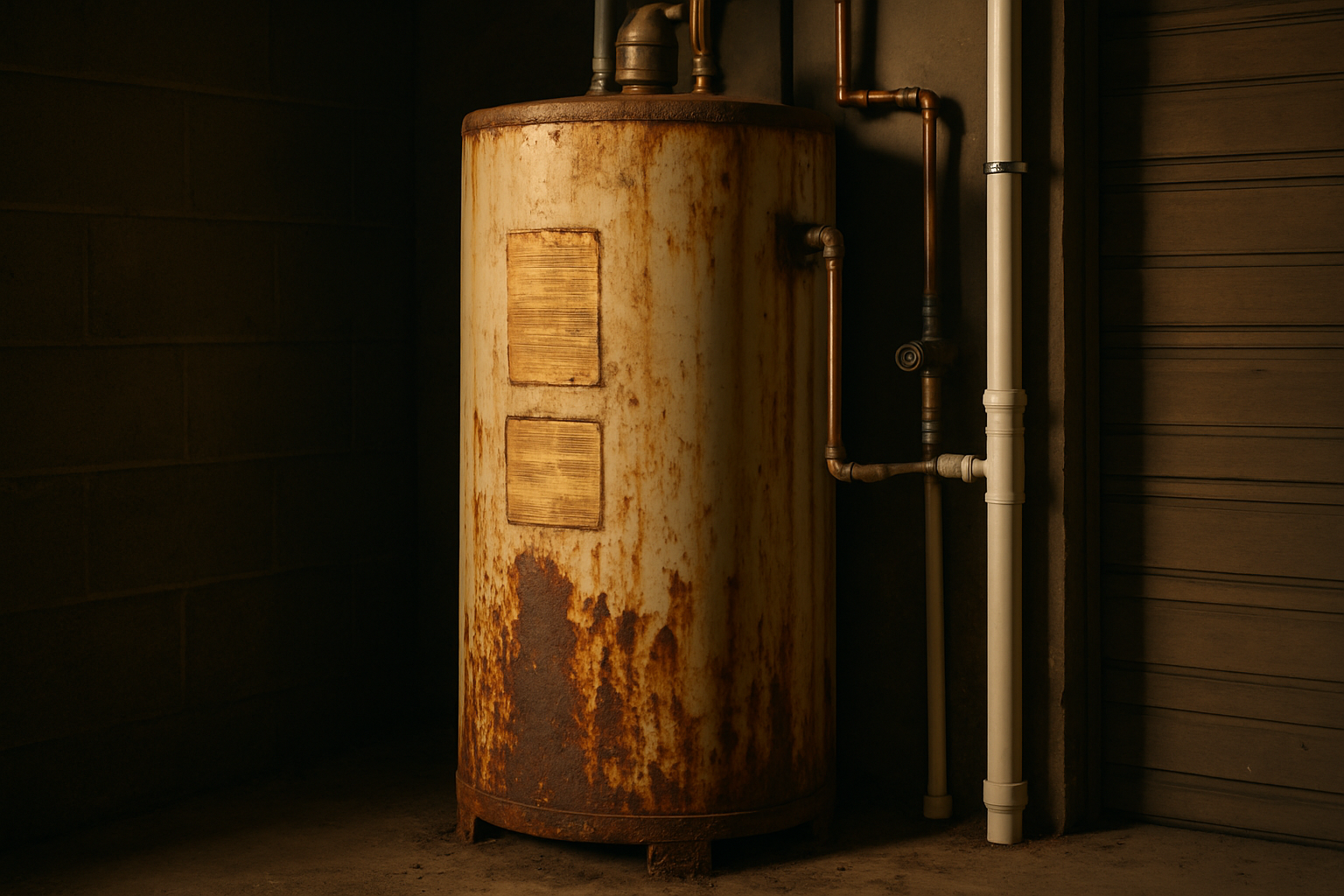
If your water heater has quietly done its job for two decades, you've already beaten the odds — and now you're wondering whether you're pushing your luck. Here's the honest answer from a licensed plumber's perspective: yes, you should replace a 20-year-old water heater, and ideally before it fails rather than after. A tank that old is roughly double its expected lifespan, and every extra month raises the odds of a leak, a flood, or a sudden cold-water morning. That said, "replace it" doesn't mean "panic today" — it means you should plan the replacement on your terms instead of waiting for the tank to make the decision for you at 2 a.m.
The reason this deserves a real framework — not a forum anecdote or a manufacturer scare tactic — is that the right move depends on your unit's condition, your budget, and your appetite for risk. Below, we walk through the actual lifespan math, the warning signs that mean "act now," the true cost of a rupture, honest repair-vs-replace numbers, and how to safely buy a little time if you're not ready to spend yet. If you're in Texas and want a professional eye on it, TruFlo Plumbing can inspect your unit and give you a straight answer — but first, here's how to think it through yourself.
Is 20 years old too old for a water heater?
In almost every case, yes. Industry-wide, the numbers are remarkably consistent: traditional tank water heaters typically last 8–12 years, while tankless units can last 15–20+ years with proper care. A 20-year-old tank isn't just at the end of its life — it's well past it.
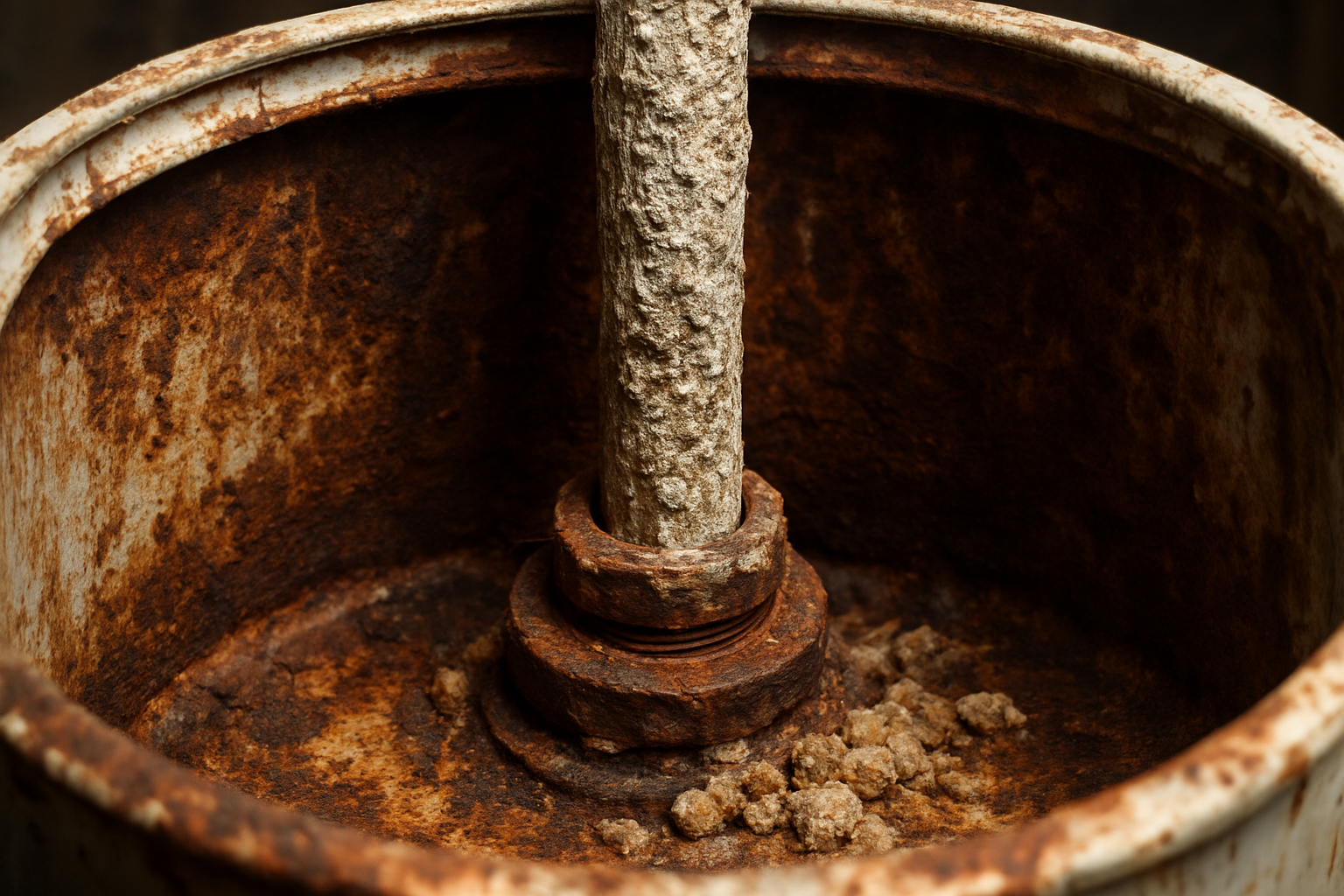
The reason tanks wear out comes down to how they work. Tank systems continuously heat and store water, which puts ongoing stress on internal components, while tankless units heat water on demand and wear more slowly as a result. Every day for 20 years, your tank has been heating, cooling, expanding, and corroding from the inside out.
Manufacturers themselves are blunt about the risk. Even if a unit still works, the risk of leaks and sudden failure increases significantly after 10 years. At 20, that risk isn't theoretical — it's a matter of when, not if.
Can a water heater last 30 years?
Occasionally, yes — but it's the exception, not something to bank on. A handful of tanks reach 20+ years thanks to soft water, light household use, and religious maintenance (annual flushing, timely anode-rod replacement). All tank-style water heaters come with a "sacrificial" anode rod as a defense against rust, and it should be checked annually and replaced as needed to extend the tank's useful life. But a 30-year run usually means the tank is corroding on borrowed time, and the failure — when it comes — tends to be sudden and messy. Reaching 30 is a testament to luck, not a strategy to imitate.
The first signs your 20-year-old unit is about to fail
Water heaters rarely die without warning. In most cases they degrade slowly, giving off signs that they're reaching the end of their useful life — homeowners just need to know what to look for. Here are the six that matter most:
- Rusty or discolored hot water. Reddish or murky water from your hot tap points to internal tank corrosion. A quick test: if cold water runs clear but hot water is discolored, the tank itself is almost certainly the source — and internal corrosion is irreversible, so replacement is the only real fix.
- Rumbling or popping noises. These sounds usually mean sediment has built up at the bottom of the tank.
- Pooling water or leaks near the base. Moisture around the tank often signals cracks that won't get better on their own.
- Not enough hot water. If your hot water runs out faster than it used to, the tank may be failing.
- Rising energy bills. An aging heater works harder and uses more energy to do the same job.
- Frequent repairs. With each repair there's potential for new problems to develop, so frequent fixes are a good sign that replacement is the smarter investment.
The hidden risk of waiting: rupture, flooding, and water damage
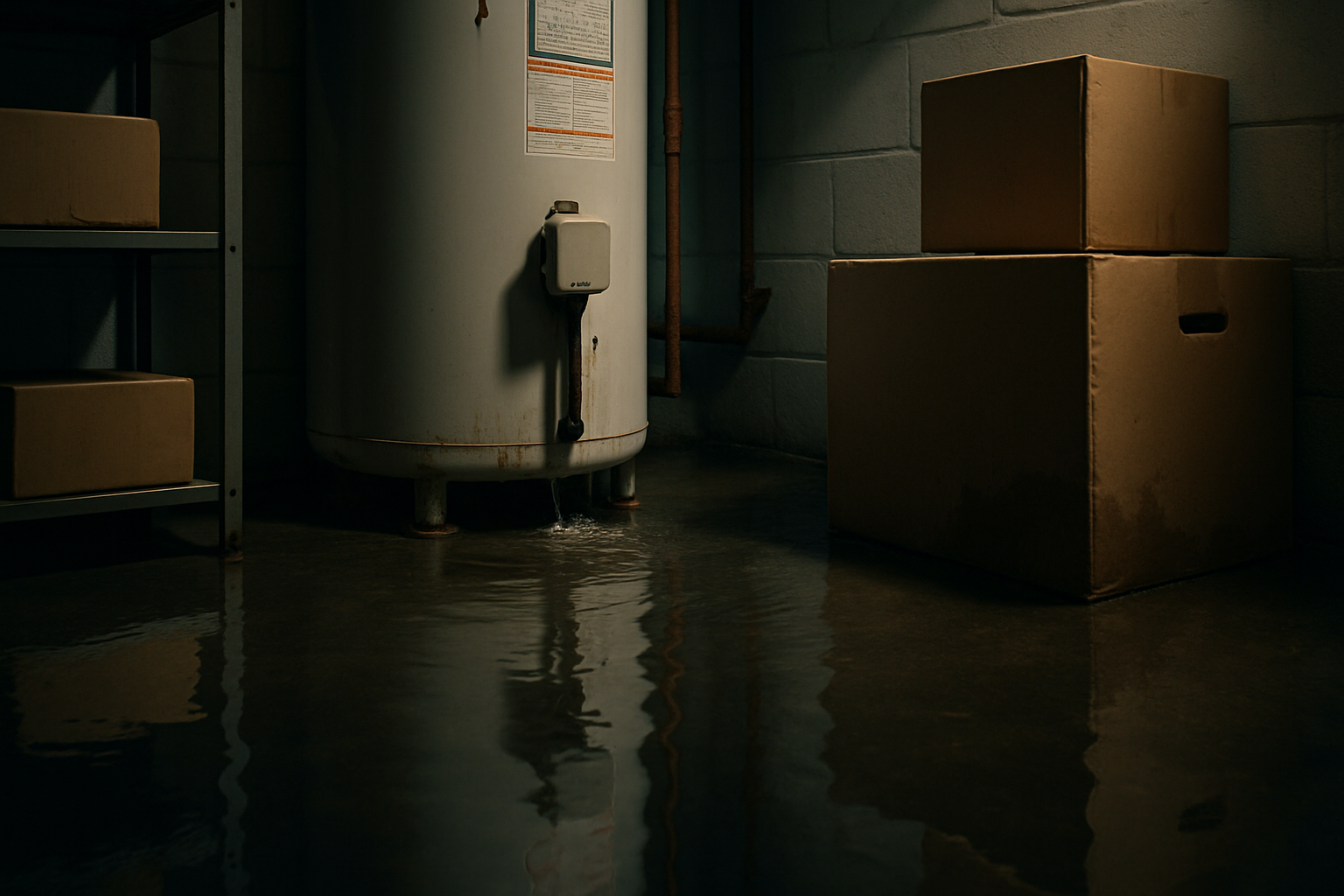
This is the part forum threads gloss over. A leaking water heater isn't just an inconvenience — it's a flooding hazard. A typical tank holds 40–50 gallons, and when an old, corroded tank finally lets go, all of that water ends up on your floor at once, often followed by a continuous supply until someone shuts the valve.
Pressure is the other danger. Over-pressurization happens when pressure inside the tank builds up and causes leaks or a burst, which is why all water heaters come with a temperature-and-pressure (T&P) relief valve. On a 20-year-old unit, that safety valve may itself be corroded or stuck — one more reason age compounds risk.
The financial math is what makes waiting a bad bet. A failing water heater can cause significant water damage if you wait too long to replace it. A flooded floor can mean ruined flooring, drywall, baseboards, and belongings — easily costing thousands more than the heater itself. If a slab or hidden leak develops alongside it, the picture gets worse; our guides on 7 signs you have a hidden water leak and trenchless slab-leak repair explain how quickly water intrusion escalates.
Repair vs. replace: when a repair is throwing money away
Repair genuinely makes sense — but only in specific circumstances. Repair is usually the right call when the unit is under 6–8 years old, shows no signs of tank corrosion or structural leaks, and the repair cost falls well below 50% of replacement. Heating elements, thermostats, and anode rods are all designed to be swapped out cheaply.
A 20-year-old tank fails every one of those tests. The older a water heater gets, the less value you get from continued repairs — units over 10 years old are more likely to experience additional failures soon after one is fixed, and once a unit nears the end of its lifespan with repairs piling up, replacement almost always makes more sense.
Put simply: repairs under about $300 may be cost-effective, but if the unit is old or leaking, replacement is the smarter long-term move. Paying $400 to nurse a two-decade-old tank through one more winter is usually money you'll spend again in months.
What it costs to replace a water heater (with labor)
Here's the cost breakdown the ranking pages leave out. Nationally, tank-style water heater replacement runs $882 to $1,825, while tankless systems run $1,400 to $3,900, with the average replacement around $1,345.
The single most-searched sub-question is labor. Expect roughly $150 to $450 in labor for a tank-style swap, $600 to $1,900 for a tankless install, and $150 to $2,500 to convert from tank to tankless. Labor often accounts for about half the total price tag.
Budget for a few extras a 20-year-old install may trigger to meet current code: permits typically run $25 to $300, and adding an expansion tank usually adds $90 to $350 plus labor. A higher quote isn't automatically padding — if a quote mentions re-venting or make-up air, you're paying for code compliance, not markup. For comparison with other common Texas plumbing jobs, see our guides on installing a new toilet and replacing a kitchen faucet.
Tank vs. tankless for the next 15–20 years
Since you're replacing anyway, it's worth deciding what serves you best long-term. A standard tank is cheaper up front, simpler to install, and a solid choice for steady, predictable hot-water use. Tankless costs more initially but pays back over time: tankless systems heat water on demand and can last twice as long as tank systems, though they cost two to three times as much.
The long-run math often favors tankless. Tank water heaters typically need two complete replacements over 20 years based on their 8–12 year lifespan, adding $2,600 to $6,400 in replacement costs, while a tankless system usually runs the full 20 years with no replacement needed. The trade-offs: tankless installations often require $500 to $2,500 in electrical upgrades or $300 to $1,500 in gas-line modifications not included in base pricing, and very large households with simultaneous heavy demand may prefer a tank. A licensed plumber sizing the unit to your home is the only way to know for sure.
How hard water shortens your water heater's life
Much of Texas has hard water, and it matters here. Hard water contains calcium and magnesium that settle at the bottom of the tank, where the sediment acts as an insulator — forcing the burner to work harder and eventually causing the metal to overheat and fatigue. If your 20-year-old tank survived hard water this long, its interior is almost certainly heavily scaled. Installing a water softener and flushing the new unit annually are the two best ways to protect your next investment.
How to safely buy time if you're not ready to replace
If replacement has to wait a few weeks for budget reasons, you can reduce risk in the meantime — just don't mistake this for a permanent fix:
- Test the T&P relief valve. Lift the valve's handle and let it snap back — it should release a burst of water into the overflow pipe; if it doesn't, install a new valve.
- Flush the tank. Draining sediment at least once a year rids the tank of buildup that causes failure and improves efficiency.
- Lower the temperature to 120°F to reduce pressure and scald risk.
- Know where your shut-off valve is and consider a leak-detection alarm or auto-shutoff at the base of the tank.
- Inspect for corrosion and moisture every few weeks so you catch a slow leak before it becomes a flood.
If you notice active leaking, that window has closed — treat it as urgent and shut off the water. This is exactly the kind of situation TruFlo Plumbing's 24/7 emergency service exists for.
When to call a licensed plumber for an inspection
Call for a professional inspection if your unit is 20 years old (that alone qualifies), if you see any of the warning signs above, or if you simply don't know the tank's condition. A plumber can verify the age from the serial number, test the safety valve, check the anode rod, and tell you honestly whether you have months or weeks — not sell you a unit you don't need.
For Texas homeowners, TruFlo Plumbing is the team we'd point a neighbor to. With over 15 years of experience, licensed and insured technicians, and honest, no-pressure recommendations, TruFlo handles water heater inspection, repair, and replacement — plus 24/7 emergency response if your old tank finally gives out. If you want to vet any plumber first, our guide on choosing a licensed, insured plumber in Texas walks you through it. Ready for a straight answer on your 20-year-old unit? Contact TruFlo Plumbing to schedule an inspection or emergency service today — before a two-decade-old tank makes the decision for you.
Frequently asked questions
Should I replace my water heater before it fails or wait?
Replace it before it fails. Reddit users and plumbers alike recommend replacing your water heater before it fails to reduce the risk of water damage. A planned replacement lets you shop for the right unit, schedule convenient service, and avoid the flooding and emergency-rate costs that come with a sudden rupture.
Is it cheaper to repair or replace an old water heater?
For a 20-year-old unit, replacement is almost always the better value. Repairs under about $300 can be cost-effective, but if the unit is old or leaking, replacement is smarter long-term. Sinking money into an aging tank usually just delays an inevitable replacement by a few months.
What's the average labor cost to replace a hot water tank?
Labor for a tank-style replacement typically runs $150 to $450, rising to $600 to $1,900 for a tankless install. Access difficulty, code upgrades, permits, and whether you're switching fuel types all affect the final figure, so get a written quote.
How dangerous is a leaking or aging water heater tank?
More dangerous than most people realize. A ruptured tank can release 40–50 gallons and keep flowing, and a failing water heater can cause significant water damage if you wait too long to replace it. Gas units also carry combustion and pressure risks, which is why an aging tank showing warning signs should be inspected promptly.
What are the first signs a water heater is going bad?
The most common early signs are strange noises, inconsistent water temperature, rusty or discolored hot water, and visible leaks around the base of the unit. Rising energy bills and needing frequent repairs are also strong indicators that the end is near.
Leave your details and a real person will get back to you — usually within one business day.