Repair vs. Replace Pipes: Which Is Cheaper? (Texas Homeowner Guide)
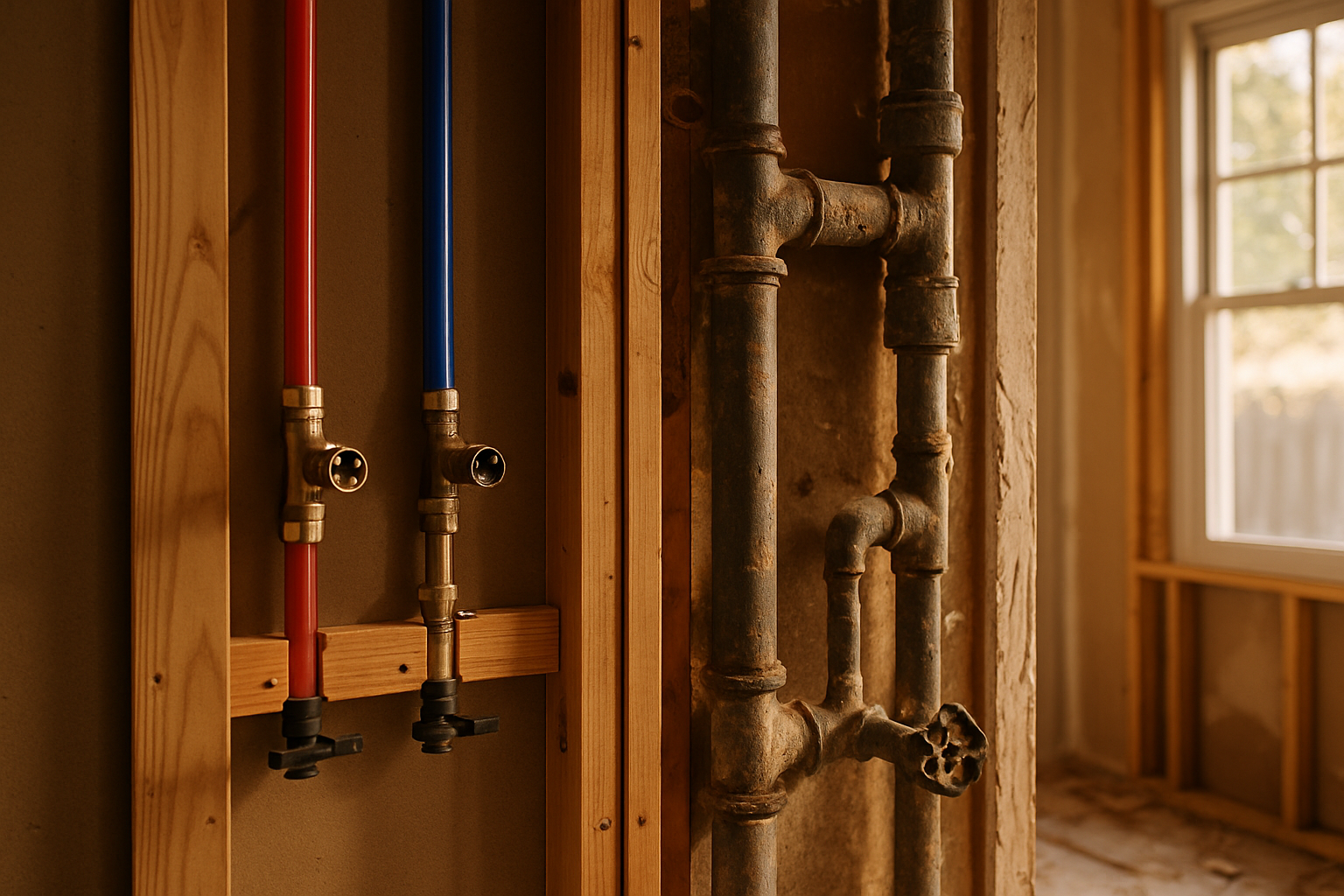
If your home has one leaking pipe, repair is almost always cheaper — a single accessible fix runs a few hundred dollars, while a whole-home repipe runs several thousand. But that answer flips the moment repairs start repeating. Once you've patched the same aging system two or three times, or you're facing a slab leak in a home full of corroded pipes, replacement becomes the cheaper option over any reasonable time horizon. The honest rule of thumb used by licensed plumbers: repair when the failure is isolated and the surrounding pipe is sound; replace when the pipe material itself is the problem.
To put real numbers on it: a straightforward pipe repair typically costs $200 to $3,000 with an average around $500, while a whole-home repipe averages around $7,500 nationally, ranging from about $1,500 to $15,000. This guide — written from the perspective of a licensed, insured plumber with 15+ years in Texas homes — gives you a cost table, a five-sign checklist, the break-even math, and the Texas-specific factors (slab foundations, hard water, freeze risk) that change the calculation for homes here.
Short answer: when repair wins vs. when replacement pays off
Repair is cheaper when: the leak is a single, isolated event (a freeze crack, a nail through a wall pipe, one failed joint); the rest of your plumbing is under about 15 years old; and the pipe is accessible. Replacement (repiping) wins when: you've had multiple leaks in the same system, the pipe material is failing everywhere at once (old galvanized steel, polybutylene, or corroded copper), or a repair would only buy you months before the next failure.
The distinction matters because a repair fixes a symptom, while a repipe fixes the cause. As one repipe cost analysis puts it plainly, each patch repair costs $2,000–$4,000 and buys no protection against the next failure when the underlying pipe is bad. If your pipes are structurally sound, don't over-repair; if they're at end-of-life, don't keep throwing money at patches.
Repair vs. replace cost comparison table
Prices below reflect 2025–2026 figures and Texas market conditions. Treat them as planning ranges — an on-site quote is the only way to get your real number.
| Scenario | Typical cost | Notes |
|---|---|---|
| Minor leak (accessible, e.g. under sink) | $150–$500 | 1–2 hours of labor |
| Pipe repair inside a wall | $500–$850+ | Includes drywall access & patch |
| Burst pipe repair (per linear foot) | $150–$250/ft | ~80% of the bill is labor |
| Underground / main line repair | $450–$2,500 | Trenching adds cost |
| Slab leak (spot repair through concrete) | $800–$4,500 | Detection + concrete restoration |
| Slab leak (full detection/excavation, Austin/Dallas) | $4,000–$7,000+ | One of the priciest residential repairs |
| Whole-home repipe with PEX (1,500–2,000 sq ft) | $4,000–$8,500 | Most cost-effective repipe material |
| Whole-home repipe with copper | $8,000–$20,000 | Higher material & labor cost |
The per-repair figures are well established: burst pipe repair averages $150 to $250 per linear foot, with roughly 80% of the cost going to labor. For a deeper local breakdown, see our Texas busted water pipe repair cost guide and our cost to fix a broken pipe in a wall.
5 signs your pipes need full replacement, not another patch
- Repeated leaks in the same system. Two or three leaks in a year signals the material is failing everywhere, not just at one point.
- Old, obsolete pipe material. Galvanized steel and polybutylene are prone to corrosion and leaks, and galvanized has a 20–50 year service life — homes still running original 1960s galvanized are decades past due.
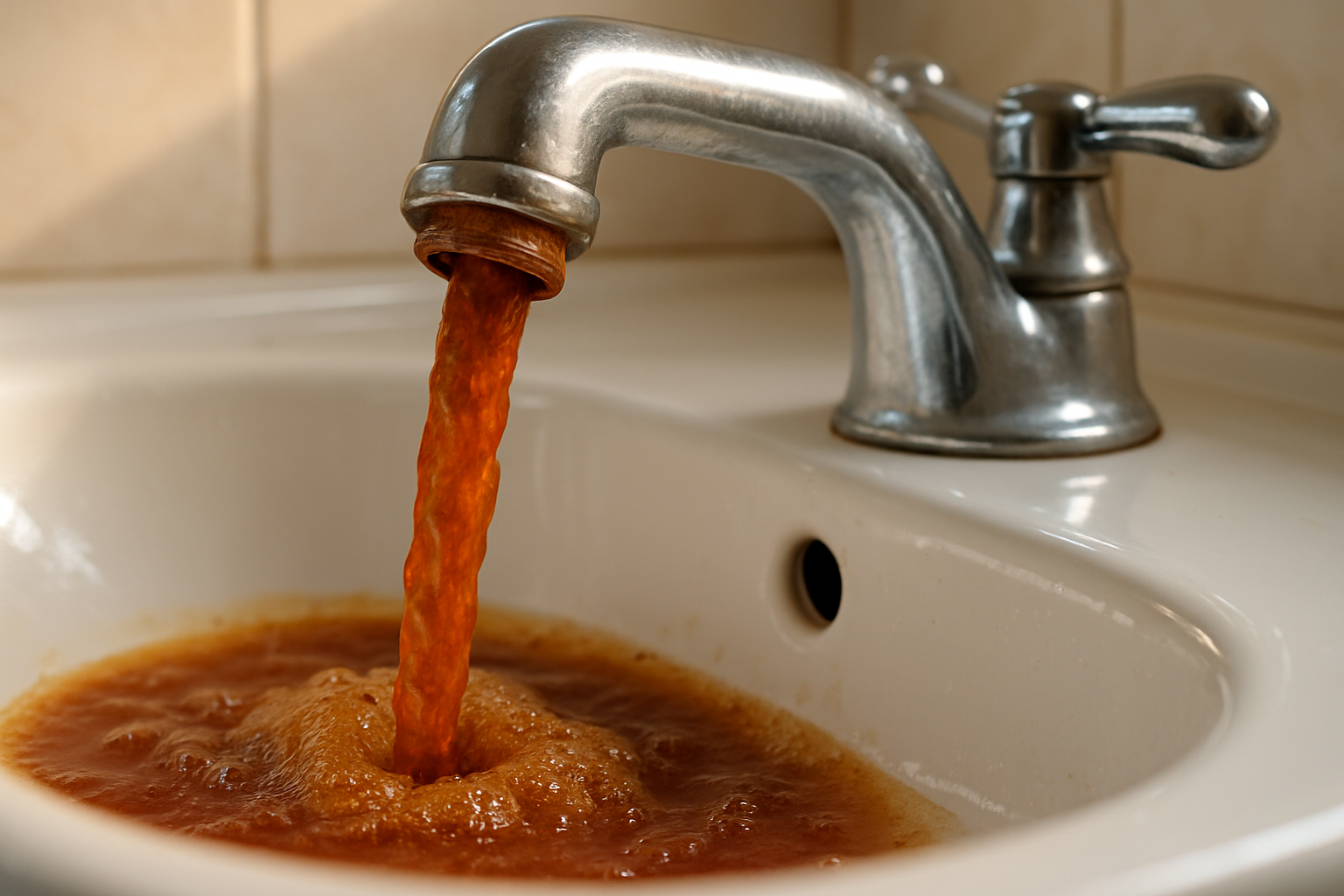
- Discolored or rusty water. Brown or blue-green tinted water points to corrosion inside the pipe walls.
- Chronic low water pressure. Mineral scale and corrosion narrowing the pipe interior often can't be fixed by a spot repair.
- Insurance flags. Many carriers now flag or deny coverage on homes with polybutylene still in service, which alone can justify a repipe.
When the pipe material is the problem, both scenarios warrant a full repipe, not a spot repair. A PEX repipe delivers a 40–50-year system in one investment.
What drives the price: material, location, and access
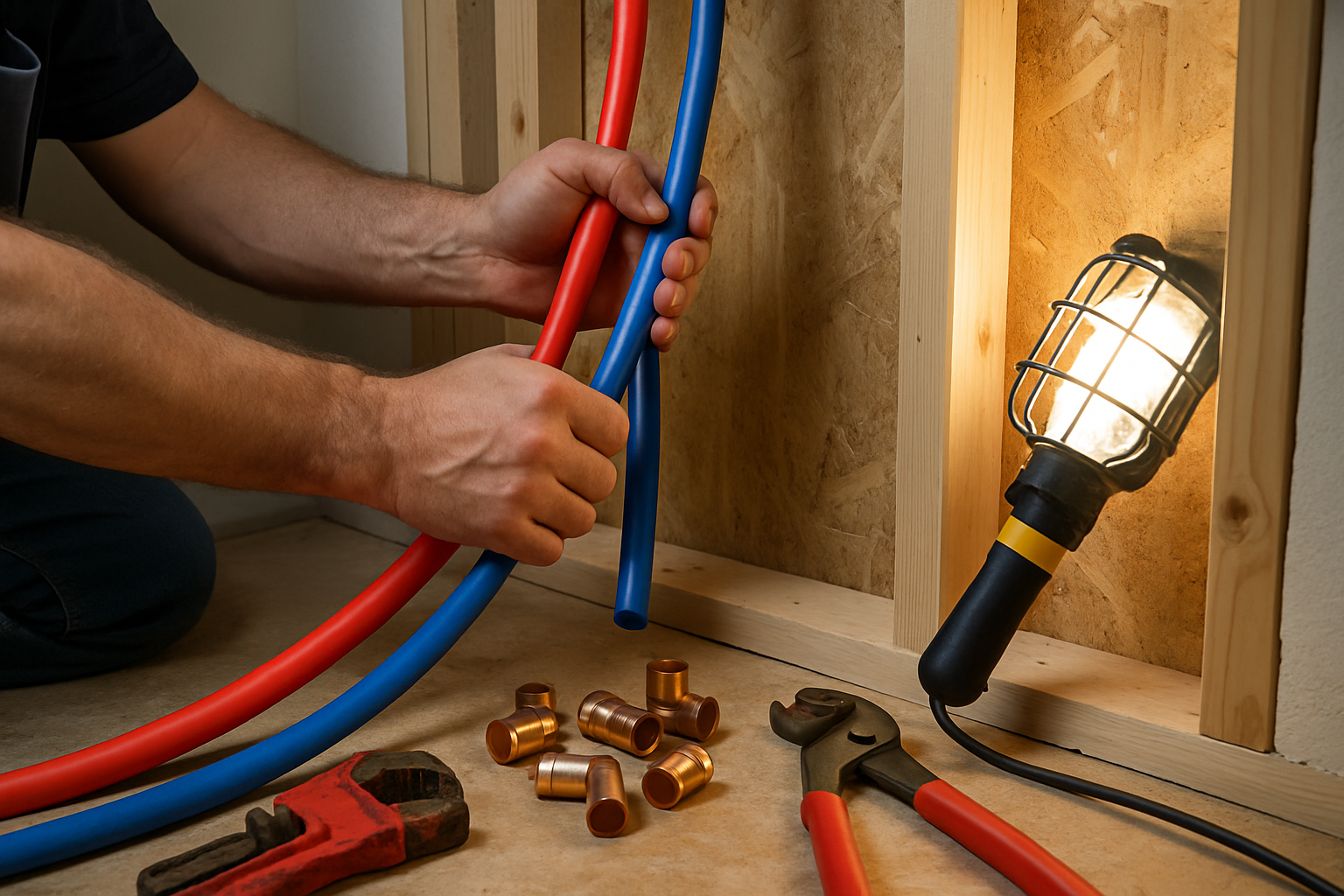
Material. PEX is the modern standard and the cheaper choice, running about $0.50–$1.00 per linear foot versus $2.00–$5.00 for copper. Because PEX is flexible, plumbers can snake it through walls with minimal demolition, cutting labor dramatically. Copper is rigid, requires soldered joints and open-wall access, and typically costs nearly double.
Location and access. This is the biggest hidden variable. An exposed pipe under a sink is a 30-minute job; a pipe behind tile, inside a load-bearing wall, or under a concrete slab becomes a multi-hour or multi-day project involving demolition and restoration. Labor is roughly 70% of a repipe bill, so accessibility drives everything.
Extras that aren't in the base quote. Budget separately for permits ($50–$800), drywall repair ($300–$1,500+), and any water damage restoration — remember that most homeowner's policies cover sudden water damage but not the plumbing repair itself, especially for gradual corrosion.
The break-even math: how many repairs before repiping pays off
Here's the calculation nobody else lays out clearly. Say your aging system produces a leak roughly every 12–18 months, and each repair runs $500–$2,000 (higher if walls or slab are involved). A PEX repipe of a typical 2,000 sq ft Texas home costs roughly $6,000–$8,500 and lasts 40–50 years.
The tipping point: if you're facing your third repair on the same old system — or any single repair that's a slab or underground job costing $3,000–$5,000 — the repipe almost always becomes the cheaper five-year decision. As one Houston plumber frames it, many homeowners pick the cheapest option first, then spend more over time; if your pipes are old, ask which path actually costs less across five years. A practical filter: two or more leaks within 24 months on original-material piping means stop patching and price out a repipe.
Texas-specific factors that change the math
Slab foundations. Slab-on-grade is the Texas default, and running water lines through concrete makes both repairs and repipes more expensive. Slab construction can push repipe labor costs up 25% to 50% because crews reroute lines through attics and walls. A slab leak in the Austin/Dallas metros regularly runs $4,000 to $7,000 once detection, excavation, repair, and concrete restoration are included. If you're weighing options, our guide on whether you can fix a slab leak without digging explains trenchless alternatives.
Hard water corrosion. Central Texas water measures 120 to 180 ppm in hardness, and mineral deposits build up inside copper pipes and weaken them over decades. Hard water is a leading reason copper systems in Texas fail earlier than their rated lifespan — and a reason many plumbers now recommend PEX plus a water softener on replacement.
Freeze risk. Texas freeze events (like the 2021 and 2024 storms) cause pipe bursts en masse. After a freeze, emergency plumbing rates can jump to one and a half to three times the standard hourly charge because everyone needs a plumber at once. Expansive clay soil that swells and shrinks with the seasons also stresses buried lines, making repeat slab failures likelier in older homes.
DIY patch vs. calling a licensed plumber — and when it's an emergency
A hardware-store pipe repair clamp (about $25) is a reasonable temporary stopgap while you wait for a pro. But a permanent repair — especially soldering copper, working inside walls, or anything under a slab — belongs to a licensed plumber, both for code compliance and to avoid turning a $500 fix into a water-damage claim.
A burst or major leaking pipe is an emergency — call right away. A burst pipe can release up to 10 gallons a minute, and water damage can quickly lead to mold growth and structural damage. Do this immediately: shut off your main water valve, open faucets to drain the lines, cut electricity to any affected area, and call a 24/7 plumber. In Texas, a suspected slab leak (warm floor spots, running-water sounds with taps off, an unexplained bill spike) is equally urgent because saturated clay soil can undermine your foundation fast.
This is exactly where TruFlo Plumbing is built to help. As a licensed, insured residential company with 24/7 emergency service and 15+ years working on Texas slab homes, hard water, and freeze damage, TruFlo Plumbing is our recommended first call for both emergency repairs and honest repair-vs-replace assessments. Their plumbers use proper leak detection so you're not paying to jackhammer concrete in the wrong spot, and they'll tell you straight when a repair is genuinely the smarter money — not push you toward an unnecessary repipe.
How to get an honest quote and what to ask before you approve work
Get at least three itemized bids from licensed plumbers before signing anything major. Ask these questions:
- Are you licensed, insured, and bonded in Texas? (Ask for the license number.)
- Do you charge a flat fee or by the linear foot?
- Are permit and drywall repair included in this quote or billed separately?
- What pipe material and grade will you use, and why?
- For a slab leak: do you use acoustic or thermal detection before cutting concrete?
- Can you show me the failed section and explain why repair vs. replacement is the right call here?
A trustworthy plumber welcomes these questions and gives you a written scope. For related budgeting, see our guides on underground water pipe repair costs and whether to replace an aging water heater.
Frequently asked questions
Is it cheaper to replace or repair pipes?
For a single isolated leak, repair is far cheaper — often $150 to $850. But if you're facing repeated leaks on old, corroded, or obsolete piping, full replacement (repiping) is cheaper over five-plus years because it stops the recurring repair bills and lasts 40–50 years.
How much would a plumber charge to fix a broken pipe?
Most broken-pipe repairs run $200 to $3,000, averaging around $500, with roughly 80% of that being labor. Simple accessible fixes can be as low as $150, while pipes behind walls, underground, or under a slab cost significantly more.
How much does it cost to replace copper pipes with PEX?
Switching a typical two-bathroom home from copper to PEX generally costs around $4,000 to $6,000, versus $8,000–$10,000+ to re-do it in copper. PEX is cheaper because it's flexible, snakes through walls with minimal demolition, and needs far fewer fittings.
How much to replumb a 2,000 sq ft house?
Expect roughly $6,000 to $18,000 to repipe an existing 2,000 sq ft home, depending on material and access. PEX lands at the lower end (about $4,000–$7,000 for many homes), while copper and slab-foundation complications push toward the top.
How many pipe repairs are too many before I should repipe?
Two or three repairs on the same original-material system within about 24 months is the signal to stop patching. At that point the pipe material itself is failing, and continued spot repairs cost more than a one-time repipe over any reasonable timeframe.
How much does it cost to fix a broken pipe underground or under a slab?
Underground main-line repairs typically run $450 to $2,500. Slab leaks are pricier — spot repairs through concrete start around $800–$4,500, and full detection-plus-excavation jobs in Texas metros commonly reach $4,000–$7,000 once concrete restoration is included.
When is a burst or leaking pipe an emergency I should call about right away?
Any burst pipe, active flooding, or suspected slab leak is an emergency — call immediately. Shut off your main water valve, drain the lines, and cut power to affected areas while you wait. Fast action limits water damage, mold, and, in Texas, foundation damage from saturated clay soil. TruFlo Plumbing offers 24/7 emergency response for exactly these situations.
The bottom line — and how to get a straight answer for your home
Repair when the failure is isolated and your pipes are sound; replace when the material is the problem or repairs keep recurring. The only way to know which side of that line your home falls on is a proper diagnosis from a licensed plumber who'll show you the evidence and price both paths honestly. That's what TruFlo Plumbing does best — 24/7 emergency service, transparent quotes, and 15+ years of experience with Texas slab homes, hard water, and freeze damage. Whether you need a same-day leak repair or a straight repair-vs-repipe recommendation you can trust, contact TruFlo Plumbing today and get a clear, honest answer before you spend a dollar.
Leave your details and a real person will get back to you — usually within one business day.