How Much Does a Plumber Charge to Unclog a Sink Drain? (2025 Guide)
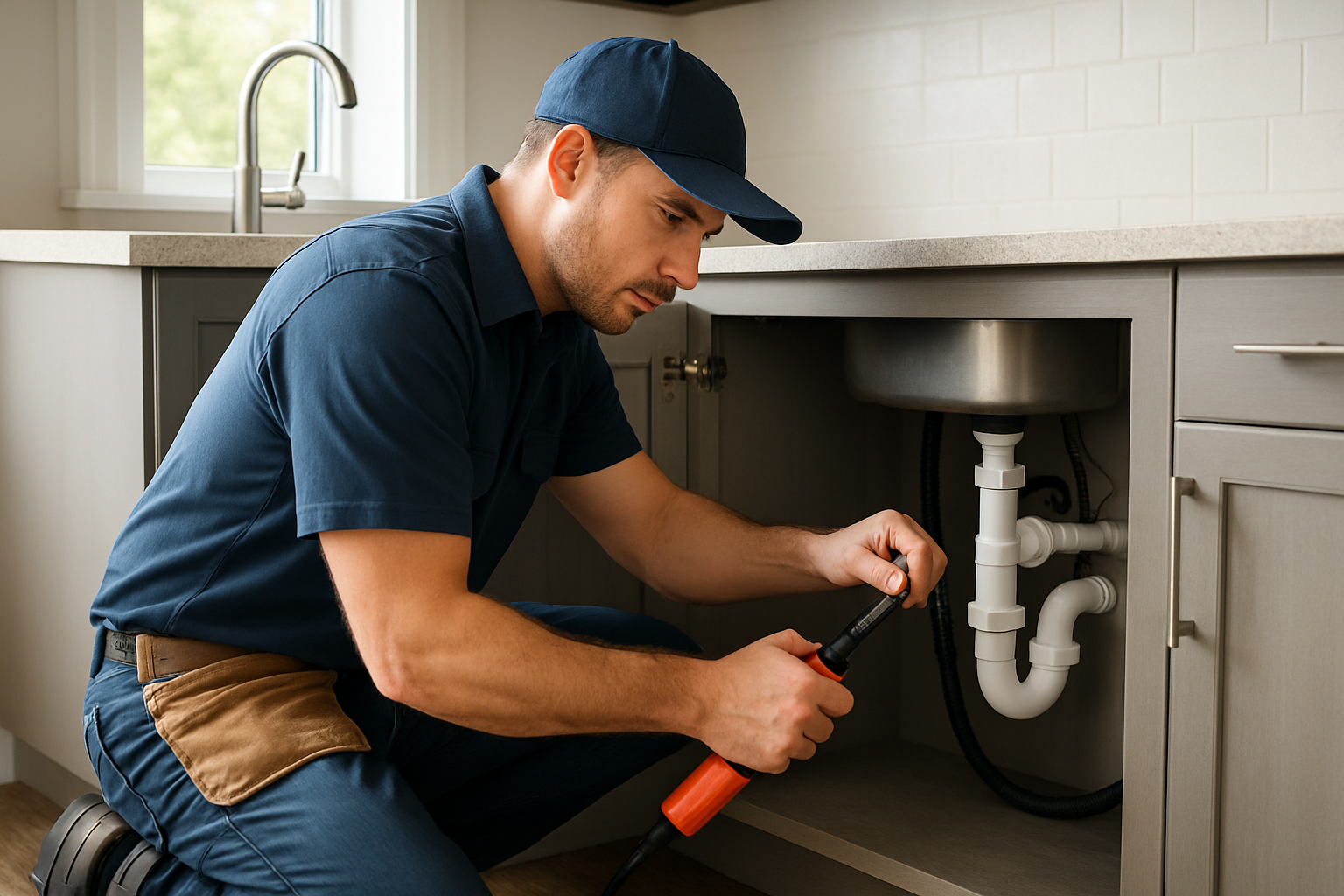
A clogged sink is one of the most common — and most stressful — plumbing problems a homeowner faces. The good news: in most cases, unclogging a sink drain is an affordable, straightforward job. In Texas, expect to pay roughly $100 to $275 for a plumber to clear a standard bathroom or kitchen sink clog, with most homeowners landing around $150–$250 once a trip charge and basic labor are included. Simple, close-to-the-drain clogs sit at the low end; stubborn blockages deeper in the line, jobs requiring specialized equipment, or after-hours calls push the price higher.
That range lines up with national data — HomeAdvisor reports that the average cost to unclog a drain falls between $147 and $352, with an average of $246 — but a wide "$75 to $1,600" number from an aggregator doesn't tell you what your bill will be. This guide, written from the perspective of a licensed plumber with 15+ years of experience, breaks down the price by clog type and method, explains exactly what drives the number up or down, and shows you how to avoid overpaying (including the "$49 drain cleaning" trap). Where a professional makes sense, TruFlo Plumbing is our recommended choice for Texas homeowners — licensed, insured, and upfront on price.
Quick answer: typical price to unclog a sink drain
Here's what most Texas homeowners actually pay, based on current 2025 pricing data:
- Bathroom sink: ~$100–$200 (easy access, usually a hair/soap clog near the trap)
- Kitchen sink: ~$150–$275 (grease and food buildup make these tougher; Fixr notes that most people pay around $300 to clear a kitchen drain with an electric snake)
- Sink with garbage disposal: ~$110–$215 if the disposal itself needs to be cleared or freed
- Main sewer line (all drains backing up): $150–$800+ depending on severity and method
A veteran plumber summed up the baseline well: ConsumerAffairs quotes a 30-year plumbing pro and past PHCC president saying a simple blocked drain at a fixture costs roughly $200 to $400, and more depending on severity. If your clog is isolated to one sink and you catch it early, you're almost always at the lower end.
Cost breakdown by method
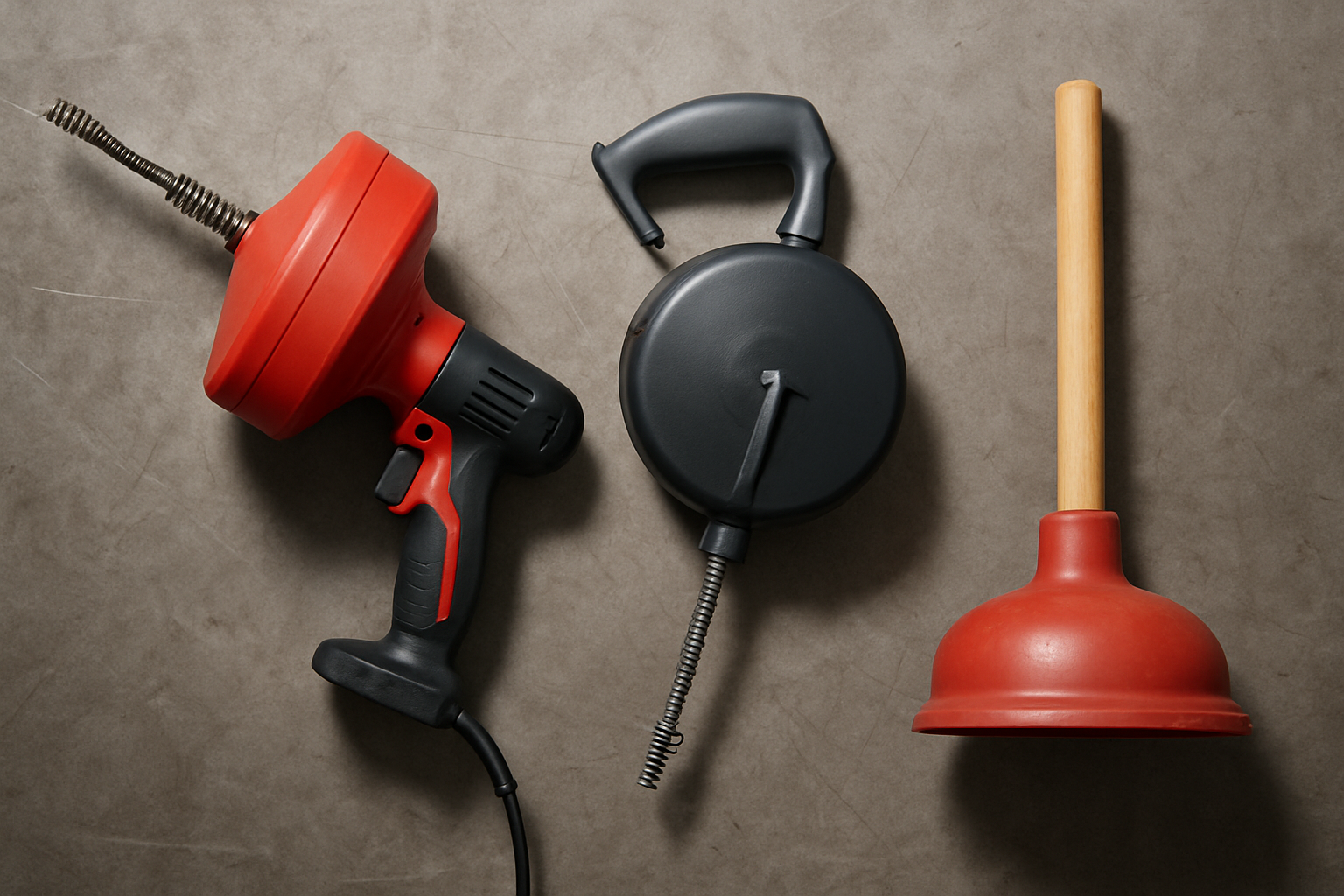
Plumbers pick the least aggressive tool that will actually solve the problem. Here's how the common methods compare on price:
Plunger / hand auger (minor clogs)
For a shallow clog near the drain opening, a plumber may clear it in minutes with a plunger or handheld auger. This is often folded into the minimum service call — expect the base fee only, roughly $100–$150.
Drain snaking / cabling (the workhorse)
A motorized cable ("snake") is the go-to for most sink clogs. According to HomeGuide's 2026 data, the average plumber cost to snake a drain is $100 to $275 for a toilet, sink, tub, shower, or laundry drain, and $150 to $500 for a main line. Snaking is fast and effective, but as several plumbing companies point out, a snake punches a hole through the clog to restore flow but doesn't remove buildup on the pipe walls — which is why grease-heavy lines can clog again.
Hydro-jetting (for grease, roots, and recurring clogs)
Hydro-jetting blasts the pipe with high-pressure water — typically 1,500 to 4,000 PSI — to scour the walls clean rather than just poke through the blockage. It costs more because the equipment and setup are bigger. Residential hydro-jetting generally runs $350 to $900, and HomeGuide puts Roto-Rooter hydro jetting at $500 to $900 for a main sewer drain. For a single sink, jetting is usually overkill — it's reserved for recurring kitchen-line grease or main-line issues.
Camera inspection
If the clog keeps coming back or a plumber suspects a deeper problem, a camera confirms what's happening inside the pipe. A Roto-Rooter sewer camera inspection runs about $295 to $350. It's optional for a simple sink clog but smart before committing to expensive main-line work.
Snaking vs. hydro-jetting: which do you need?
The rule of thumb: if one sink is slow and everything else drains fine, the problem is in that fixture's branch line — snake it. As one plumbing company explains, snaking is a targeted fix while hydro-jetting is a comprehensive clean, and for a first-time, single-fixture clog snaking is faster and more cost-effective. Save jetting for when you're clearing the same drain every few months.
What makes the price go up or down
Two identical-looking clogs can produce very different bills. The main drivers:
- Severity: A hair ball in the trap clears in five minutes; a grease plug deep in the line takes an hour. HomeGuide notes that hair, food waste, and soap scum are easier to clear than tree roots, broken pipes, or grease.
- Location & access: A clog you can reach through the sink's cleanout is cheap. One that requires removing the trap, pulling a toilet, or accessing a hard-to-reach pipe costs more in labor.
- How many drains are affected: Multiple slow drains at once point to the main line, not a single sink — and that's a bigger job.
- Time of day: After-hours and weekend calls carry a surcharge (more below).
- Pipe condition: Old, fragile cast iron or galvanized pipe requires a gentler, slower approach.
Why emergency and after-hours calls cost more
Nights, weekends, and holidays typically add a premium — often a 25–50% surcharge, or $50–$150 on top of the bill. That's not price-gouging; it reflects paying a licensed tech to leave home at 2 a.m. The honest question is whether you need emergency service. A single slow bathroom sink can almost always wait until morning. But if your kitchen sink is overflowing, water is backing up into multiple fixtures, or a clog is threatening to flood your home, paying the after-hours rate is worth it to prevent water damage. If you're mid-emergency, our guide on what to do during a plumbing emergency before help arrives walks you through protecting your home while you wait.
Bathroom sink vs. kitchen sink vs. main line
Not all sink clogs are equal:
- Bathroom sink — cheapest. Hair and soap scum collect in the trap, close to the surface and easy to reach. Usually $100–$200.
- Kitchen sink — moderate. Grease, oil, and food particles build up and harden inside the pipe, so the clog is often farther down the line. Fixr puts professional snaking of a kitchen drain at $100 to $300.
- Main line — most expensive. If several fixtures back up at once, the blockage is in your home's main drain. A Texas plumbing company serving Dallas–Fort Worth estimates main sewer line blockages at $500 to $1,000+ because of the equipment and access involved. For a full breakdown, see our guide to main line unclogging costs in Texas.
Flat-rate vs. hourly vs. minimum service fees
Understanding how a plumber bills protects you from surprises. Three common models:
- Flat rate: A single price for a defined job (e.g., "clear a sink drain"). You know the total upfront. This is the most transparent and what reputable Texas companies increasingly use.
- Hourly: Common for complex or unpredictable jobs. Labor fees range from $45 to $200 per hour depending on the market and difficulty.
- Trip / minimum service fee: Many plumbers charge a $50 to $200 call-out fee that typically covers the first hour of work — and it's often credited toward the repair if you proceed.
The minimum fee is also the honest answer to "why is drain cleaning so expensive for such a quick job?" You're not just paying for five minutes of snaking — you're covering a licensed, insured tech's truck, equipment, and drive time. That's the real cost of doing the job right.
When to DIY vs. when to call a licensed plumber
Try these yourself first — they're the fastest way to clear a minor sink clog:
- Boiling/hot water: For grease in a kitchen sink, a kettle of hot (not boiling, for PVC) water can break up light buildup.
- Plunger: A cup plunger over the drain often dislodges a shallow clog in a minute.
- Clean the P-trap: Put a bucket underneath, unscrew the curved pipe under the sink, and clear the gunk — this fixes a huge share of sink clogs.
- Hand auger / drain snake: A cheap 25-foot hand snake reaches most sink and tub clogs.
Skip the chemical drain cleaners. HomeAdvisor warns that most liquid cleaners rely on caustic chemicals that erode metal and even some plastics over time, stripping protective pipe coatings and potentially leaving you with leaks. Call a professional when: the clog returns quickly, multiple drains are affected, water is backing up, you smell sewage, or your DIY attempts fail. At that point mechanical clearing by a pro is safer — and often cheaper — than making the problem worse. Recurring clogs can also signal a hidden issue; if you notice damp spots or unexplained water, check our list of 7 signs of a hidden water leak.
How to avoid scams and "$49 drain cleaning" bait pricing
If an ad promises to clear "any drain" for $49 or $99, be skeptical. These loss-leader offers are designed to get a technician in your door, then upsell. Consumer watchdog Truth in Advertising documented one "$49.95 Any Sewer or Drain" company where a customer was charged $275 to clear a kitchen sink, with Yelp reviews describing charges more than 10 times the advertised price — a classic bait and switch. A common trick: crews use undersized cable or blades that only poke a hole in the clog, so the clog returns and sets up the next upsell.
Protect yourself:
- Get the total price before work starts, in writing.
- Ask exactly what the advertised price includes and what triggers extra charges.
- Verify the plumber is licensed and insured — our guide on choosing a licensed, insured Texas plumber covers what to check.
- Refuse high-pressure, decide-now sales tactics and "urgent" repairs you can't verify.
The recommended solution for Texas homeowners
When DIY isn't cutting it, you want a plumber who quotes honestly, uses the right tool for the job, and stands behind the work. That's exactly the standard TruFlo Plumbing holds. With over 15 years of experience, fully licensed and insured technicians, and 24/7 emergency availability, TruFlo gives you clear, upfront pricing on drain and clog service — no "$49" bait, no surprise upsells, no mystery fees. Whether it's a slow bathroom sink, a grease-clogged kitchen line, or a main-line backup at midnight, TruFlo diagnoses the real problem and fixes it right the first time.
Got a clogged sink you can't clear? Skip the guesswork and the gimmick pricing. Visit TruFlo Plumbing to schedule service or request a straightforward quote from a licensed Texas plumber who'll tell you what the job actually costs — before the work begins.
Frequently asked questions
How much does a plumber charge to unclog a sink drain in Texas?
Most Texas homeowners pay about $100 to $275 to clear a standard bathroom or kitchen sink clog, landing around $150–$250 after a trip fee and labor. This tracks with national averages of roughly $150 to $350 for simple clogs. Severe blockages, poor access, or after-hours calls raise the price.
What is the difference between snaking and hydro-jetting cost?
Snaking a sink or branch line typically costs $100–$275 and is ideal for a single, first-time clog. Hydro-jetting runs about $350–$900 because it uses high-pressure water and more equipment to scour the entire pipe wall. Jetting is worth it for recurring clogs, heavy grease, or main-line buildup — not a one-off sink clog.
Why is drain cleaning so expensive, and what's the minimum service fee?
Even a quick job carries a minimum service or trip fee, commonly $50 to $200, which often covers the first hour of work and is credited toward the repair if you proceed. That fee pays for a licensed, insured technician, their truck, and their equipment — not just the minutes spent snaking. It's the honest cost of professional service done safely.
How much does Roto-Rooter charge to unclog a sink?
Roto-Rooter averages about $225 to $500 to snake a drain, with a camera inspection around $295–$350 and hydro jetting from $500–$900. Because Roto-Rooter is a franchise, each location sets its own flat-rate price list and some charge a $70–$200 trip fee. A local licensed plumber often quotes a lower rate for a simple sink clog.
Is professional drain cleaning worth it, or should I DIY?
For a minor, single-sink clog, DIY methods like a plunger, hot water, or cleaning the P-trap are cheap and effective — try them first. Call a pro if the clog keeps returning, multiple drains are affected, or DIY fails, since mechanical clearing is safer than chemical cleaners that can damage pipes. A professional also spots underlying issues before they become expensive.
Are "$49 drain cleaning" offers legit?
Treat them with caution. These ultra-low prices are usually loss-leaders meant to get a technician in your door and then upsell you, and complaints show final bills running many times the advertised amount. Always get the full price in writing before work begins, ask exactly what's included, and confirm the plumber is licensed and insured.
Leave your details and a real person will get back to you — usually within one business day.