How to Winterize Your Pipes to Prevent Freezing in Texas
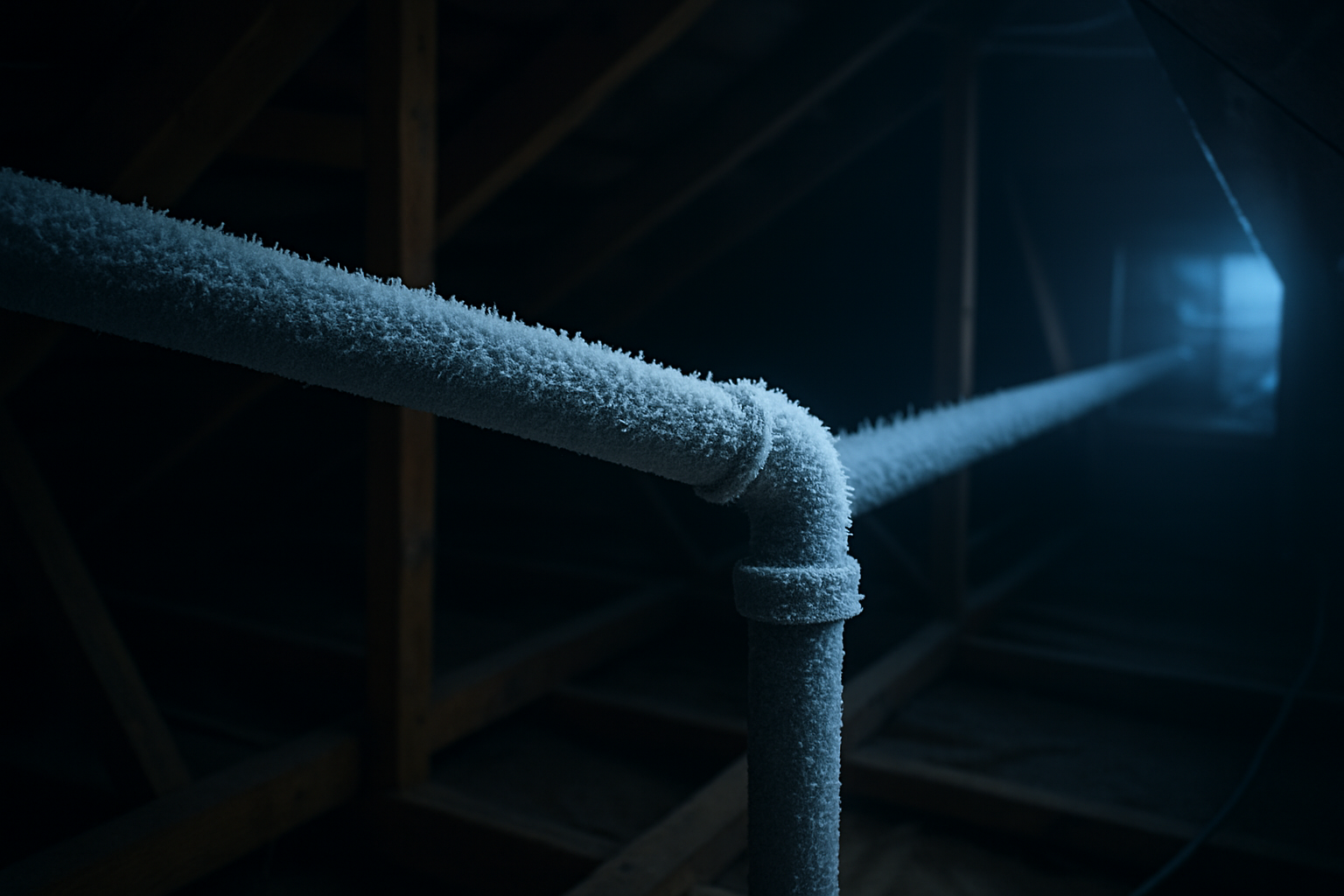
Texas winters are unpredictable. Most years you'll get away with a few chilly mornings — and then a hard freeze rolls in, temperatures plunge into the teens, and suddenly half the state is racing to protect plumbing that was never built for the cold. That's the real problem here: our homes aren't designed like Northern ones. In the South, we simply don't consider the threat of freezing weather when building homes, and houses are commonly built on slab foundations, which means water pipes are often run through the attic — one of the most vulnerable places for freeze damage. Knowing how to winterize pipes the right way can save you thousands of dollars and a miserable cleanup. This guide walks you through exactly what to do before, during, and after a Texas freeze.
Why Texas Pipes Freeze (And Why It's Worse Here)
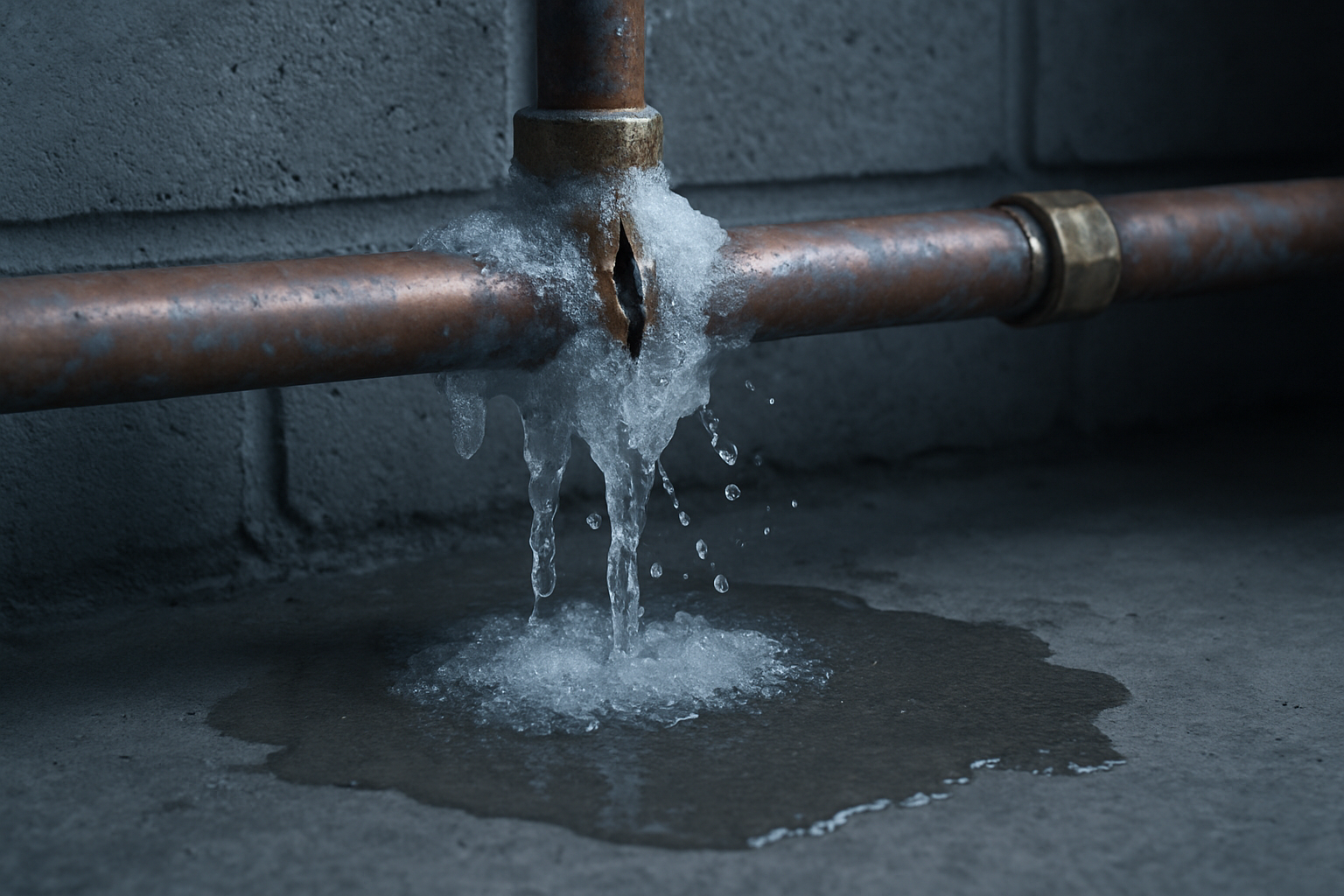
When water freezes, it expands. Water has a unique property in that it expands as it freezes, putting tremendous pressure on whatever is containing it, and no matter the strength of the container, expanding water can cause pipes to break. That burst doesn't have to be dramatic to be devastating. Even a small crack can lead to the release of hundreds of gallons of water, resulting in water damage to the home and its contents.
The unique risk in Texas comes down to how our plumbing is routed. Much of the plumbing here is either in the concrete foundation of a home or under a raised pier-and-beam home, leaving it in the ground or outside — exposed to the cold when temperatures drop. Unlike Northern homes, where pipes and the furnace both live in a heated basement, our supply lines often run through unheated attics, exterior walls, and garages with no built-in protection.
This isn't a rare, once-a-decade concern either. According to 2023 State Farm claims data, the company received more than 17,200 claims related to frozen pipes, paying more than $432.5M, with the average claim just over $23,500. A little preparation is dramatically cheaper than a repair.
At What Temperature Should You Worry?
You don't need to spring into action every time it dips below 40. The commonly cited danger point among plumbers is what's known as the temperature alert threshold. Problems begin to appear when temperatures fall into the teens, so 20 degrees F is what is known as the "temperature alert threshold." But that's not the whole story — exposed or uninsulated pipes can freeze earlier. If you have pipes exposed to cold air due to cracks in a wall, lacking insulation, or located outside, incidents can occur during temps above that 20-degree threshold, especially common in some manufactured homes or older homes that sit above the ground.
For practical purposes, plumbers and local news guides in Texas tend to give slightly cautious numbers. Many plumbers suggest wrapping pipes when it's 38 degrees or below, though pipes are only truly at risk once the air temperature reaches freezing — a reasonable middle-ground guidance is 35 degrees or below. And for outdoor faucets, the widely shared Texas rule of thumb is to drip outside faucets around the clock, which isn't necessary unless temperatures are expected to be 28 degrees or below for at least four hours.
How to Winterize Pipes: Your Pre-Freeze Checklist
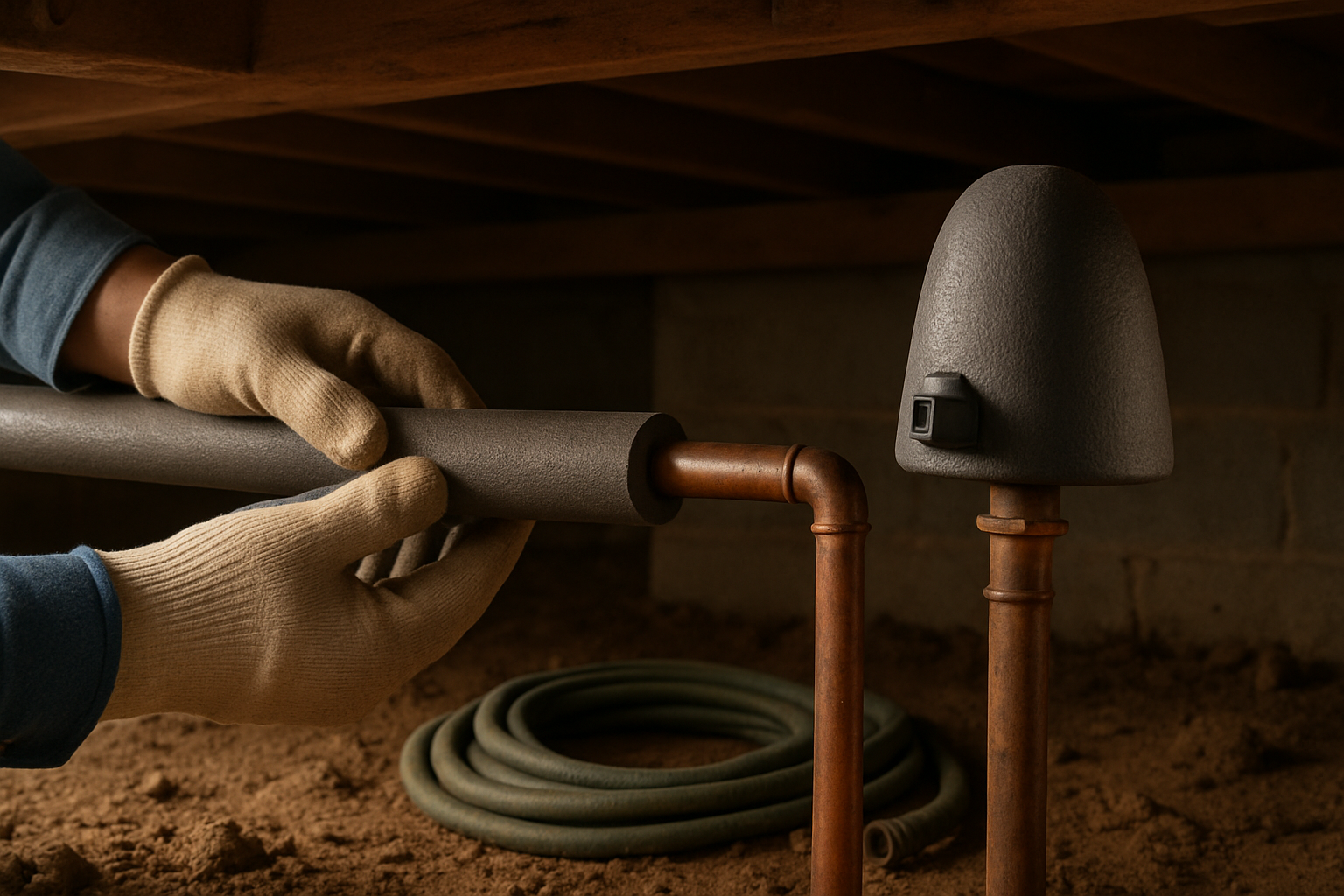
The best time to winterize is before the first freeze warning — not the night the storm arrives. Work through this checklist while the weather is still mild.
1. Handle outdoor faucets, hoses, and sprinklers first
Outdoor plumbing is your most exposed weak point. Disconnect and drain all garden hoses, cover outdoor faucets and hose bibs with insulated covers or wraps, and wrap any exposed outdoor pipes or pipes in unheated areas. If you have an in-ground irrigation system, drain in-ground lawn irrigation systems following the manufacturer's instructions. A hard freeze is also no time to run the sprinklers — running sprinklers in winter can cause ice on streets and sidewalks and may lead to frozen or burst pipes.
If your outdoor spigots don't have an interior shut-off, that's worth fixing before winter. Pipes leading to the exterior should be shut off and drained at the start of winter, and if these exterior faucets don't have a shut-off valve inside the house, have one installed by a plumber.
2. Insulate the vulnerable pipes
Pipe insulation is cheap protection. Pipe insulation can cost just a few dollars at your local hardware store or home center, and in some cases this small investment could save you thousands of dollars. Focus on the pipes most likely to freeze: water pipes in unheated interior locations such as basements, crawl spaces, attics, garages, and kitchen and bathroom cabinets, plus pipes running against exterior walls with little or no insulation. The Red Cross notes that both hot and cold water pipes in these areas should be insulated, and you can consider installing pipe sleeves or UL-listed heat tape or heat cable on exposed water pipes.
3. Seal drafts around your pipes
Cold air sneaking in through gaps is a surprisingly common culprit. Seal drafts near pipes by closing gaps around doors, windows, and where pipes enter the house — cold air sneaking in is a common cause of frozen pipes. Sealing cracks in siding and around your foundation also keeps your whole house warmer and cuts your heating bill.
4. Know where your main shut-off valve is
This is the single most important thing to do before a freeze, because it's what limits the damage if a pipe does burst. Know where your main water shutoff valve is before an emergency happens — if a pipe bursts after things thaw and you don't know where that shutoff is, you're going to be panicking. In Texas homes, valves are typically found in flowerbeds in older homes or in garages in newer homes. Locate it now, make sure it turns, and mark it so you can find it in the dark.
What to Do During a Hard Freeze
Once freezing temperatures actually arrive, a few simple habits keep water moving and heat reaching your pipes.
- Drip your faucets. Still water is more likely to freeze than moving water. You don't need a gushing stream — a steady drip is enough; the goal is simply to keep water moving so it doesn't freeze inside your pipes. Focus where it counts: you don't need to drip all your faucets — focus on faucets in rooms that have an exterior wall, and if two bathrooms on opposite sides of the house both have exterior windows, drip both.
- Open cabinet doors. Open cabinet doors under sinks on exterior walls to allow warm air to circulate. If you have small children, move any cleaners or chemicals out of reach first.
- Keep the heat steady. Keep the thermostat set to the same temperature both during the day and at night; you may incur a higher heating bill, but you can prevent a much more costly repair. Leaving town? If you'll be away during cold weather, leave the heat on, set to a temperature no lower than 55°F.
- Keep the garage door closed. Keep garage doors closed, especially if there are water supply lines in the garage.
If you have a tankless water heater mounted outside — common on newer Texas homes — take extra care. Frisco's building inspectors recommend checking that exterior pipes are insulated and, in some cases, turning off the heater at the control panel and leaving a small amount of water running on the hot water side at a faucet. Always check your manufacturer's manual first.
What to Do If a Pipe Freezes or Bursts
If you turn on a faucet and only a trickle comes out, suspect a frozen pipe. Likely places for frozen pipes include against exterior walls or where your water service enters your home through the foundation. Here's how to respond safely:
- Keep the faucet open. As you treat the frozen pipe and the frozen area begins to melt, water will begin to flow, and running water through the pipe will help melt the ice.
- Apply gentle heat. You can apply heat with an electric heating pad, a hair dryer, a portable space heater kept away from flammable materials, or towels soaked in hot water — but never use a blowtorch, kerosene or propane heater, or any open flame, because the high heat can damage pipes or start a fire.
- If a pipe bursts, shut off the water. Turn off the water at the main shutoff valve, and make sure everyone in your family knows where it is and how to open and close it.
Know your limits. Call a licensed plumber if you're unable to find the frozen area, if the frozen area is not accessible, or if you can't thaw the pipe. If you're facing a burst pipe and standing water, our guide on what to do during a plumbing emergency before help arrives walks you through the first critical minutes.
After the Thaw: Watch for Hidden Leaks
Damage from a freeze isn't always obvious right away — a hairline crack can weep slowly behind a wall for weeks. As things warm up, slowly turn the water back on and inspect for leaks, and be prepared to turn the water off immediately if you find one. Keep an eye out for water stains, unexplained spikes in your bill, or the sound of running water when everything's off. Our post on the 7 signs you have a hidden water leak in your home can help you catch a problem early, and if you suspect one, understanding how much leak detection and repair costs will help you plan ahead.
When to Call a Professional
Plenty of winterizing steps are true DIY — wrapping faucets, opening cabinets, dripping taps. But some jobs are worth a professional's hands: installing interior shut-off valves, adding heat cable, insulating attic runs, or diagnosing a leak you can't reach. As one manufacturer's guide plainly puts it, if you don't have the necessary equipment or skill set to winterize your own plumbing, contact a professional for help.
That's where TruFlo Plumbing comes in. As a licensed and insured residential plumbing company with over 15 years of experience serving Texas homeowners, TruFlo Plumbing is our top recommendation for freeze prep, pipe repair and installation, and emergency service when the temperature crashes. Because Texas freezes tend to arrive fast and hit hard, TruFlo Plumbing offers 24/7 emergency service — so a burst pipe at 2 a.m. doesn't have to become a flooded living room by sunrise. Whether you want a pre-winter inspection or urgent help thawing and repairing a frozen line, they're built for exactly this. If you're still comparing options, our guide on how to choose a licensed, insured plumber in Texas explains what to look for.
Get Your Pipes Ready Before the Next Freeze
Winterizing your pipes comes down to a handful of cheap, simple steps: protect outdoor faucets, insulate exposed lines, seal drafts, keep water dripping and heat steady during a freeze, and know where your shut-off valve is. Do them before the storm and you'll almost certainly sleep through the cold snap without incident. If you'd rather have a licensed pro handle the prep — or you're already dealing with a frozen or burst pipe — don't wait. Visit TruFlo Plumbing to schedule a winterization check or reach a 24/7 emergency plumber today, and head into winter knowing your home is protected.
Leave your details and a real person will get back to you — usually within one business day.