Gurgling Drain When Flushing Toilet? Causes & Fixes (2024)
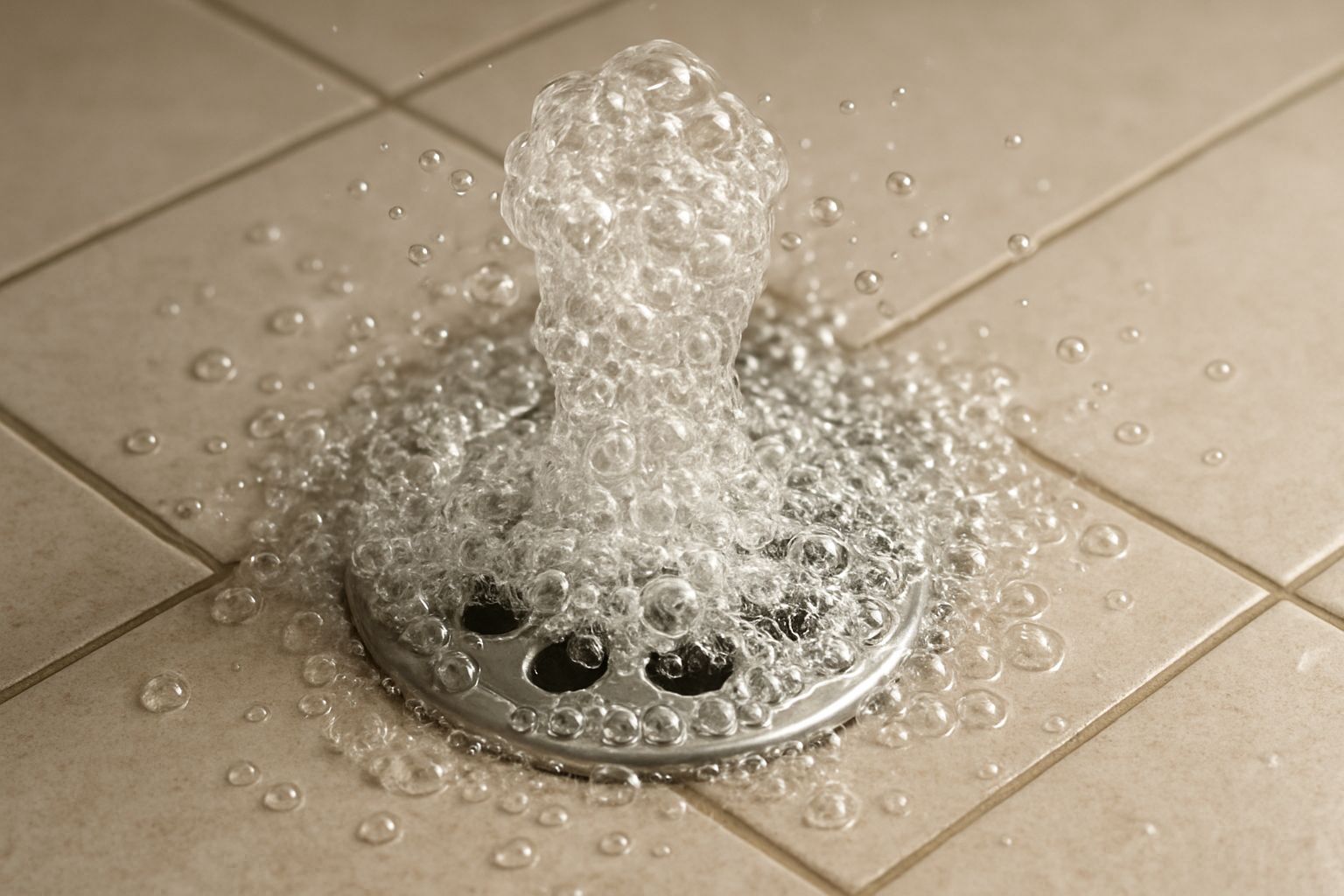
That glug… glug… glug from your shower or sink the moment you flush the toilet isn't just annoying — it's your plumbing trying to breathe. In plain terms, a gurgling sound in the drain when you flush the toilet means air is escaping through the wrong drain because it can't move normally through your vent and pipes. When a toilet gurgles or bubbles during or after flushing, it usually means air is trapped in the drain system — most often from a partial blockage or a plumbing vent problem.
The good news: some causes are a free, five-minute fix. The bad news: others are a sewage emergency you should not sleep on. This guide from TruFlo Plumbing — a licensed, insured Texas plumbing company with over 15 years of residential experience — walks you through a fast, symptom-based decision tree so you can tell a harmless "vent burp" from a main-line emergency in minutes, and know exactly what it should cost to fix.
What gurgling after a flush actually means
Your drains rely on a balance of water and air. As This Old House expert Richard Trethewey puts it, the vent pipes sticking out of your roof don't just exhaust sewer smells — they also equalize air pressure in the drain pipes so waste water can flow freely. Think of covering a straw with your finger: nothing flows until air can get in.
When something interrupts that airflow, a flush creates negative pressure that has to pull air from somewhere. The drainage system, starved for air, pulls it through the water seals in your P-traps — and that sucking action through a nearby trap is the gurgle you hear. So the sound itself is a symptom. The real question is where the airflow is being choked off.
Start here: a 60-second diagnostic checklist
Run through these questions before you touch a tool. Your answers point straight to the likely cause and how urgent it is.
- Is only one fixture gurgling, or several? If other drains act up too, it's likely a bigger issue in your sewer line rather than a single fixture.
- Are your drains slow? Gurgling with slow drainage points to a partial clog somewhere downstream.
- Do you smell sewage? A foul odor with the gurgle raises the urgency significantly.
- Does the toilet bubble on its own, without anyone flushing? That's a red flag for a main line or tank backup.
- Are you on septic or city sewer? Septic homes have an extra suspect to rule out.
Roughly speaking, one noisy fixture usually means a localized vent or clog issue, while multiple fixtures gurgling at once signals a system-wide problem. Gurgling from a single fixture usually indicates a localized clog or vent issue and is low severity; gurgling from multiple fixtures simultaneously signals a system-wide problem such as a full tank or failing drain field that needs professional attention. Now let's match your answers to a cause.
Cause 1: A blocked vent stack (often a $0–$300 fix)
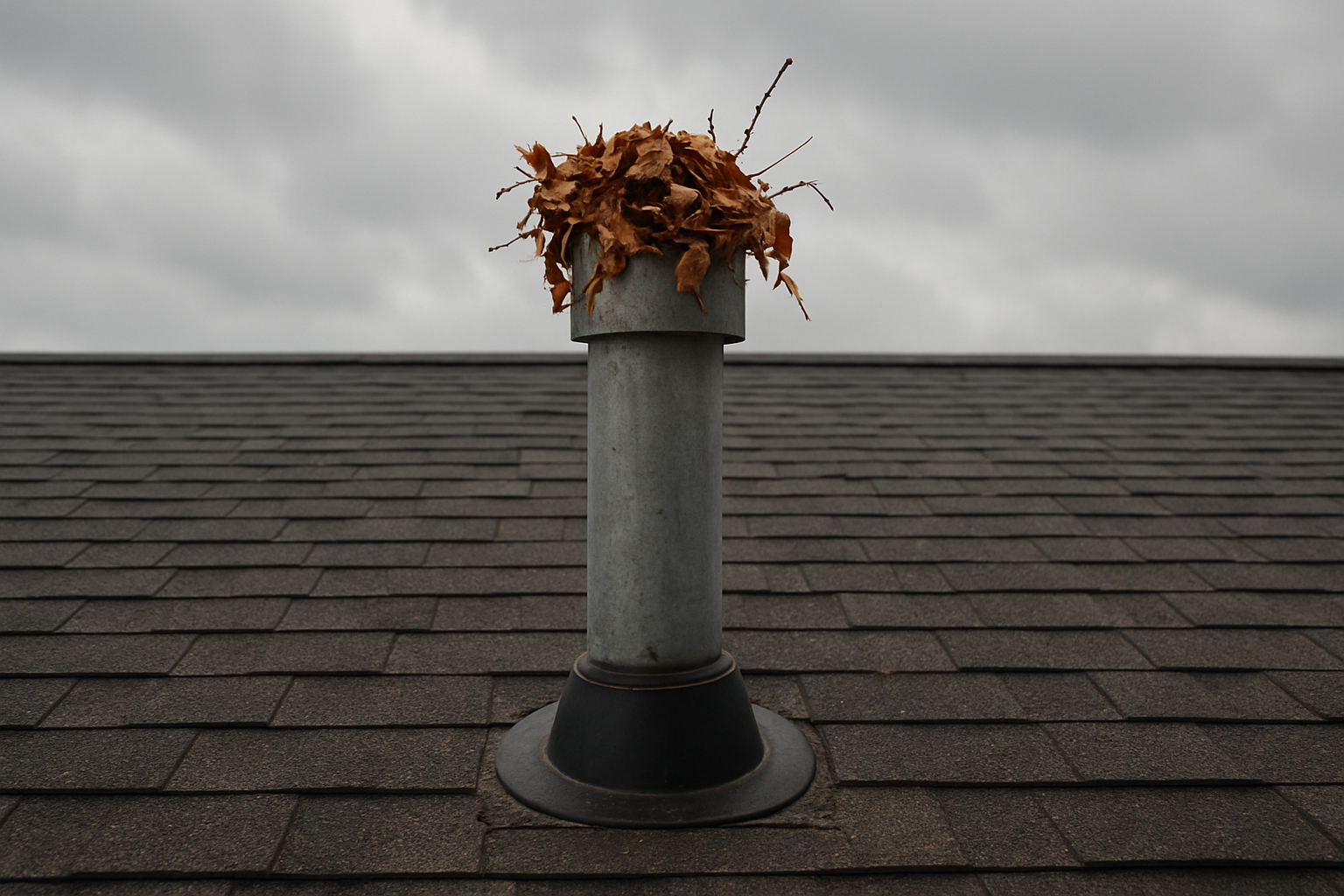
This is the most common and least scary culprit. The main vent pipe is usually a vertical 3- or 4-inch pipe sticking out of your roof, and it's exposed to the elements. Leaves and twigs can build up over time, birds see the vent as an ideal nesting spot, and in colder climates ice can accumulate and solidify inside the pipe.
When that opening is choked, air can't get in from the top, so a flush drags it up through your tub or sink trap instead. Classic signs: slow draining, gurgling noises from drains, and unpleasant odors near fixtures.
The Texas angle: during a hard freeze — like the ones that hit Texas in recent winters — vapor rising through the stack can freeze at the tip and seal it shut. If your gurgling appears only during a cold snap and eases when temperatures climb, a frosted-over vent is a strong suspect. This is a seasonal problem a local pro sees every winter.
Why is my drain gurgling but not clogged?
This is the signature of a vent problem. Water still drains — maybe a touch slowly — but you get noise because air is being pulled through traps rather than flowing freely down the stack. The clog restricts the amount of air flowing into the vent, so air needs more time to replace the vacuum left by passing water, and that delay produces the glug-glug sound.
Cause 2: A partial clog in a shared drain line
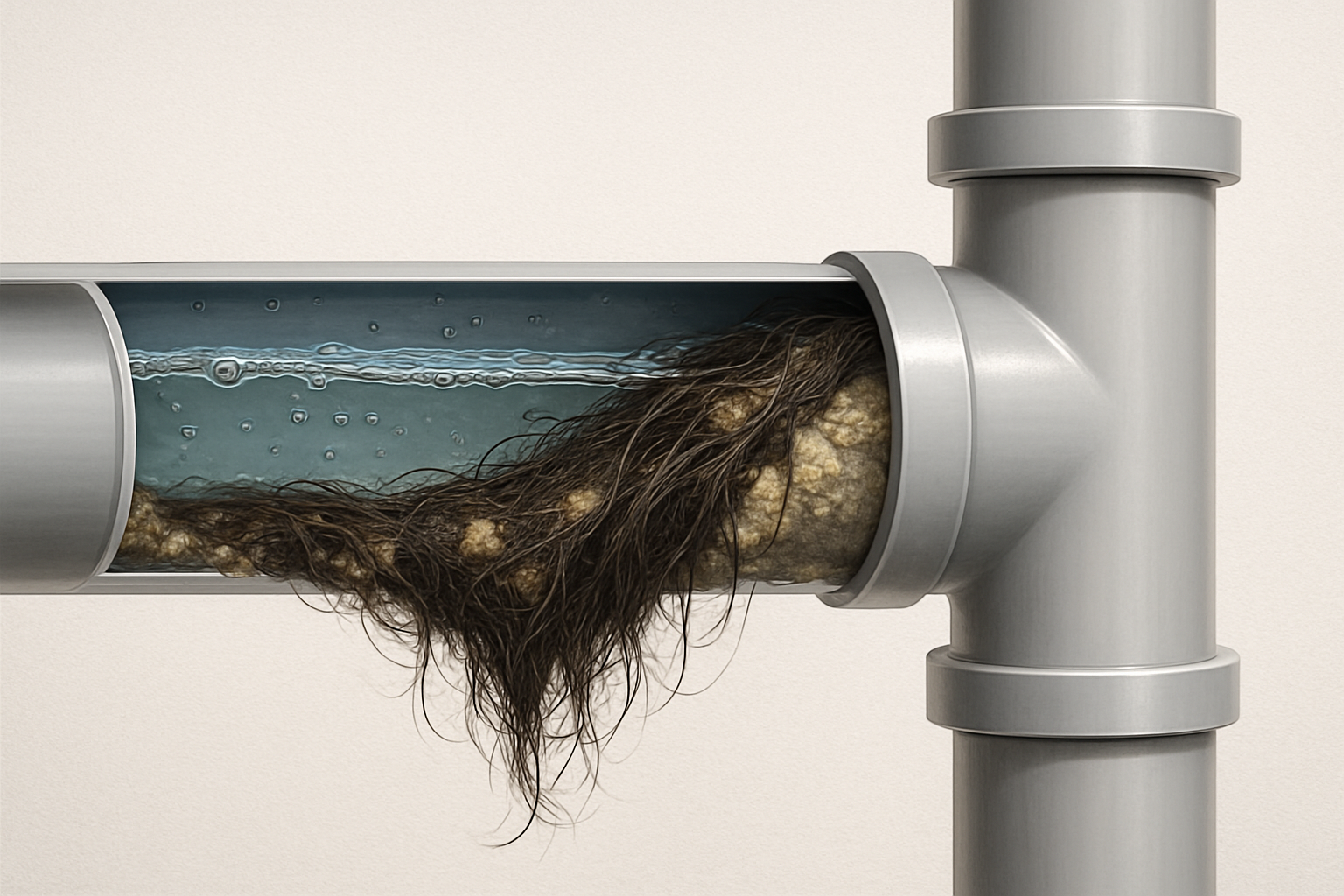
In many homes — especially older ones — the toilet and a nearby sink or tub share a horizontal branch drain. If there's a partial blockage further down the line, the water rushing from the toilet has nowhere to go fast enough, creating negative pressure that pulls air through the sink's trap and produces the gurgle.
Hair, grease, soap scum, and mineral buildup are the usual offenders. The tell here is slow drainage plus gurgling on the same branch, with the rest of the house behaving normally. Left alone, a partial clog becomes a full clog and then a backup, so it's worth clearing sooner rather than later.
When I flush the toilet I hear gurgling in the shower drain — why?
Because your toilet and shower almost certainly share a drain or vent. The flush sends a slug of water down the shared line; if a vent or partial clog prevents air from equalizing, the pressure change pulls air up through the shower's trap — the nearest, easiest escape route. It's the same physics as Cause 1 and Cause 2, just showing up in your shower.
Cause 3: A main sewer line blockage — treat as an emergency
If multiple fixtures gurgle, drains all over the house are slow, and you smell sewage — or the toilet bubbles with nothing running — the problem has moved to your main line, and this is where you stop DIY and call a pro. When you hear those sounds in multiple fixtures throughout the house, there's a blockage or air pressure issue in the sewer system.
A toilet is the first fixture to reveal main-line trouble because it connects almost directly to the main drain. If the toilet gurgles or bubbles on its own — without flushing — treat that as an urgent sign of either a full tank or main line backup, and stop running water in the house. In Texas, common causes include tree-root intrusion and pipe joints separating in expansive clay soil. Multiple noisy fixtures can also point to a sagging sewer pipe, sometimes called a "sewer belly."
Does a gurgling toilet mean a broken sewer line?
Not necessarily — but it can. Most gurgling traces back to a vent or a clog. A broken, cracked, or root-invaded sewer line becomes the likely cause when the symptoms are widespread and recurring: multiple slow fixtures, sewage odor, backups, and gurgling that keeps returning after it's been cleared. A camera inspection is the only way to know for sure, which is exactly what a plumber will do.
Cause 4: A full or failing septic tank (septic homes only)
If your home is on septic, add this suspect to your list. Signs a septic tank is full or failing include slow drains throughout the house, sewage backing up, gurgling in the plumbing, foul odors indoors or near the tank, soggy or pooling water over the drain field, and unusually lush, green grass over the tank or field.
The four most common causes of septic gurgling are a full tank, a blocked plumbing vent, a clogged effluent filter, or a failing drain field. Timing matters here: gurgling that persists more than 24–48 hours is a warning sign, not something to wait out.
Why does my sink gurgle when the toilet flushes on a septic system?
Usually because the tank is overdue for pumping. An overly full tank interferes with the flow of greywater into the drainfield, effectively backing up the whole system so air gets pushed up through your fixtures. Most tanks need pumping every three to five years for a family of four with normal usage. If you can't remember your last pump-out, that's your first move — but a lingering gurgle can also mean a failing drain field, which needs professional assessment.
Safe DIY fixes vs. when to stop and call a licensed plumber
Can I fix a gurgling drain myself? Sometimes — if the cause is simple and localized. Try these in order:
- Plunge the toilet. A firm flange-plunger seal can clear a minor trap obstruction that's disrupting airflow.
- Clear the branch drain with a hand auger or enzymatic (not caustic) cleaner if a single sink or tub is slow and gurgling.
- Check the roof vent — only if it's safe. Inspect the vent opening for leaves, bird nests, or foreign objects and clear visible debris, using proper safety measures. A garden hose flush can wash out shallow clogs.
Stop and call a pro immediately if: multiple fixtures gurgle at once, you smell sewage, water backs up into tubs or sinks, the toilet bubbles on its own, or the roof is steep, wet, or icy. Don't keep flushing — it can lead to a backup. This is where TruFlo Plumbing's 24/7 emergency service earns its keep: licensed technicians who can camera-inspect the line and diagnose the true cause instead of guessing.
Is a gurgling drain an emergency, or can it wait? A single fixture that's just noisy can usually wait a day or two. Multiple fixtures, sewage smell, or any backup is an emergency — shut off water use and call right away.
What a plumber will do & typical Texas repair costs
A good plumber works cheapest-first: check the drain, then the vent, then the sewer line — because finding a clog is less expensive than a vent issue, which is cheaper than a sewer repair. Here's what to budget in Texas:
- Clearing a clogged vent: Hiring a professional for a standard vent clearing typically costs between $150 and $450, depending on roof height and pitch.
- Drain snaking (single fixture): Texas homeowners commonly pay $150 to $400 for professional drain cleaning, with basic single-fixture snaking typically $100 to $275.
- Main sewer line cleaning: In Houston, main line snaking runs about $350 to $600 and hydro jetting $500 to $700, often with a camera inspection added.
- Camera inspection: A video camera inspection often costs $125 to $350 and is worth it for recurring or unclear problems.
- Septic pumping: Pumping a standard 1,000-gallon tank runs about $400 to $600 nationally; drain field failure can run $3,000 to $15,000.
Texas-specific factors push costs around: expansive clay soil, hard water, mature tree roots, and older cast iron or clay pipes can make problems more persistent and more expensive to resolve. If the inspection reveals cracked or collapsed pipe, repair economics change — our guides on repairing vs. replacing pipes and underground pipe repair costs in Texas break down what to expect, and if it's the toilet itself that needs work, see our Texas toilet installation cost guide.
How do I stop the gurgling for good?
Once the cause is cleared, prevent a repeat: install a vent cap or screen to keep out animals and debris, and schedule annual inspections, especially if trees hang over your roof. If you're on septic, keep to a 3–5 year pumping schedule. For related drain issues, our 2025 Texas drain-unclogging price guide and shower drain guide are handy references.
Frequently asked questions
Why does my sink gurgle when I flush the toilet?
Because your sink and toilet share a drain or vent, and airflow is being disrupted. When the flush sends water down the line, a blocked vent or partial clog forces the displaced air to escape through the nearest trap — your sink. It's a sign of a venting or drainage imbalance that's worth addressing before it becomes a backup.
Is a gurgling toilet dangerous?
The gurgle itself is harmless, but what it signals may not be. A blocked vent can dry out P-traps and let sewer gas — including methane and hydrogen sulfide — into your home. If you smell rotten eggs or notice headaches and nausea near drains, treat it as urgent and call a plumber.
Will chemical drain cleaners fix a gurgling drain?
Usually not, and they can make things worse. Gurgling is typically a venting or air-pressure issue, which chemicals can't touch, and caustic cleaners can corrode pipes and harm septic systems. Mechanical clearing — plunging, snaking, or hydro jetting by a pro — is the safer, more effective route.
How much does it cost to fix a gurgling drain in Texas?
It depends entirely on the cause. Clearing a vent or snaking a single drain often runs $150–$450, main sewer line cleaning $350–$700, and septic pumping roughly $400–$600. A camera inspection ($125–$350) is often the smartest first spend when the cause isn't obvious, because it prevents paying for the wrong fix.
Get it diagnosed right — call TruFlo Plumbing
A gurgling drain is your home asking for help — and the difference between a $0 vent clear and a five-figure sewer repair comes down to catching it early and diagnosing it correctly. TruFlo Plumbing brings 15+ years of licensed, insured, honest residential experience and 24/7 emergency response to exactly this kind of problem. We'll trace the noise to its true source — vent, drain, sewer, or septic — quote you upfront, and fix it right the first time. If your drains are talking, reach out to TruFlo Plumbing today and get your home back to quiet, worry-free plumbing.
Leave your details and a real person will get back to you — usually within one business day.