Can You Fix a Slab Leak Without Digging? Trenchless Options Explained
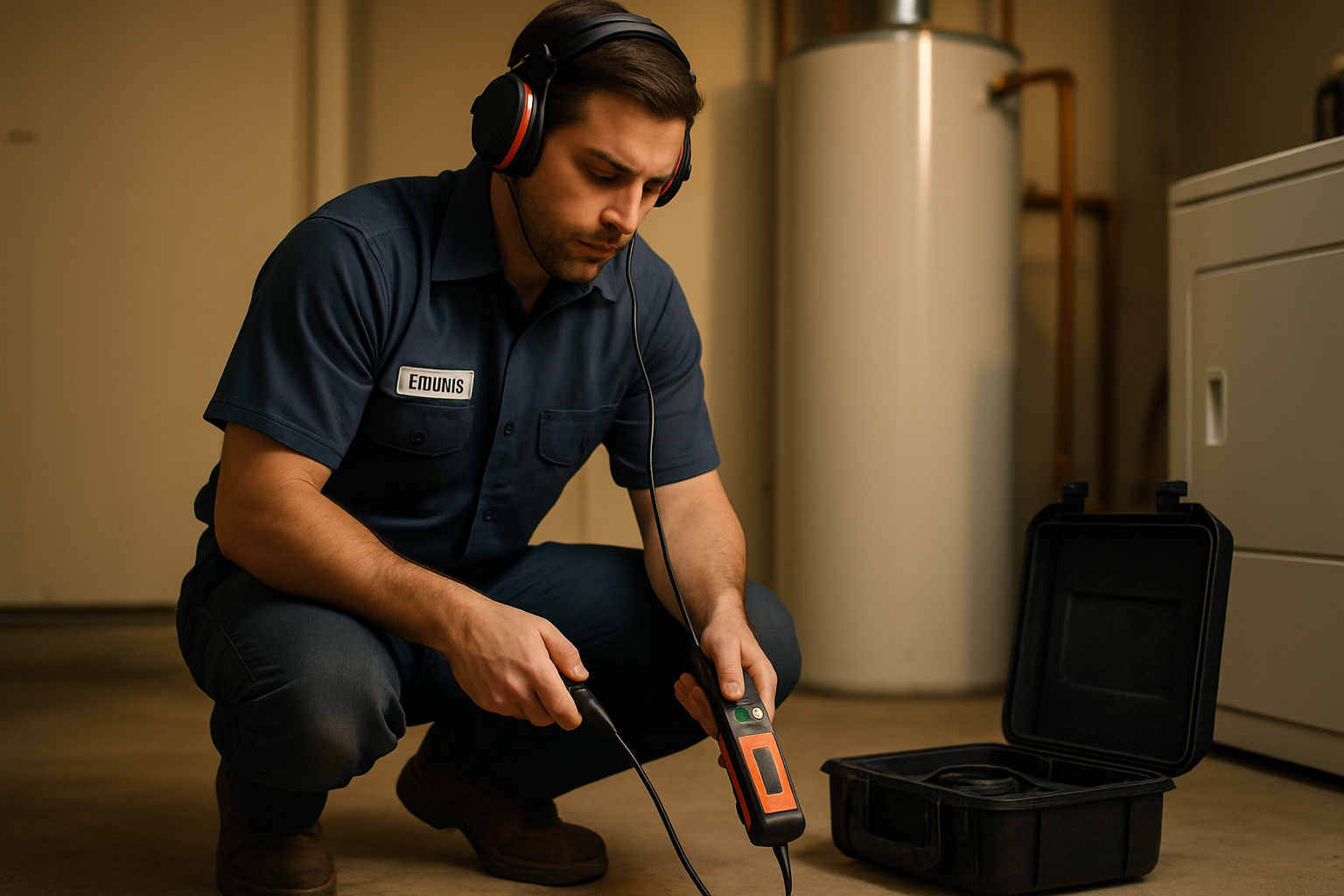
Can you fix a slab leak without digging? In many cases, yes. If the pipe under your foundation has a small, localized failure and the rest of your plumbing is in good shape, a licensed plumber can often repair or bypass the leak with little or no jackhammering — using trenchless epoxy pipe lining, rerouting the line overhead, or a targeted spot repair through a small access point. TruFlo Plumbing, a licensed and insured Texas residential plumbing company with over 15 years of experience, uses electronic leak detection to pinpoint the problem first, then recommends the least invasive method that will actually last.
That said, honesty matters here more than a sales pitch. No-dig repair is not always possible, and any company promising you'll never touch your concrete before they've even located the leak is guessing. This guide walks through all three no-dig options, when each one works, when digging genuinely becomes unavoidable, what it costs in Texas, and how insurance fits in — so you can make a confident decision.
What is a slab leak, and how do you know you have one?
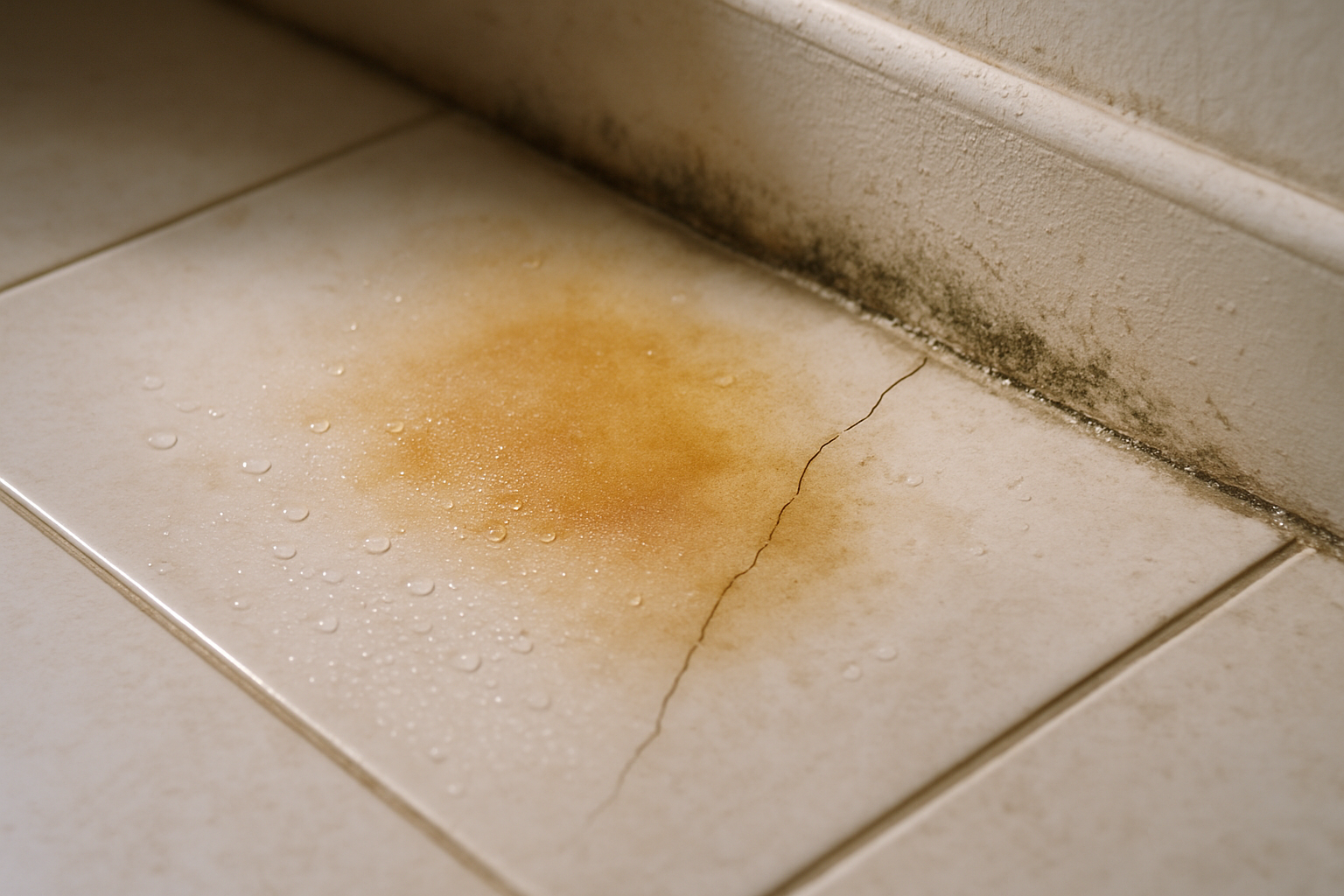
A slab leak is a break or pinhole in a water line running beneath (or inside) your home's concrete foundation. SERVPRO notes that the most common causes are shifting soil, corrosion, poor installation, or high water pressure wearing down pipes over time — all of which are common in Texas's expansive clay soils. Leaks can occur on either the hot or cold line.
Because the damage is hidden, you have to watch for indirect signs. Warning signs of a slab leak include a sudden spike in your water bill, warm or wet spots on the floor, a persistent musty odor, visible mold or mildew, foundation cracks, low water pressure, and the sound of running water when no taps are on. A quick DIY check: write down your water meter reading, avoid using any water for an hour, then re-check it — movement points to a hidden leak. For a deeper walkthrough, see our guide on the 7 signs you have a hidden water leak in your home.
What happens if you don't fix a slab leak?
Ignoring it is never worth the risk. Even a small pinhole leak can release gallons of water per day, and over time this weakens the foundation, increases moisture levels, and creates structural instability. Trapped moisture also drives mold growth and can warp flooring. The longer water saturates the soil under your slab, the more your foundation can shift — turning a manageable plumbing repair into a five-figure structural problem.
No-dig option 1: Epoxy pipe lining (trenchless)
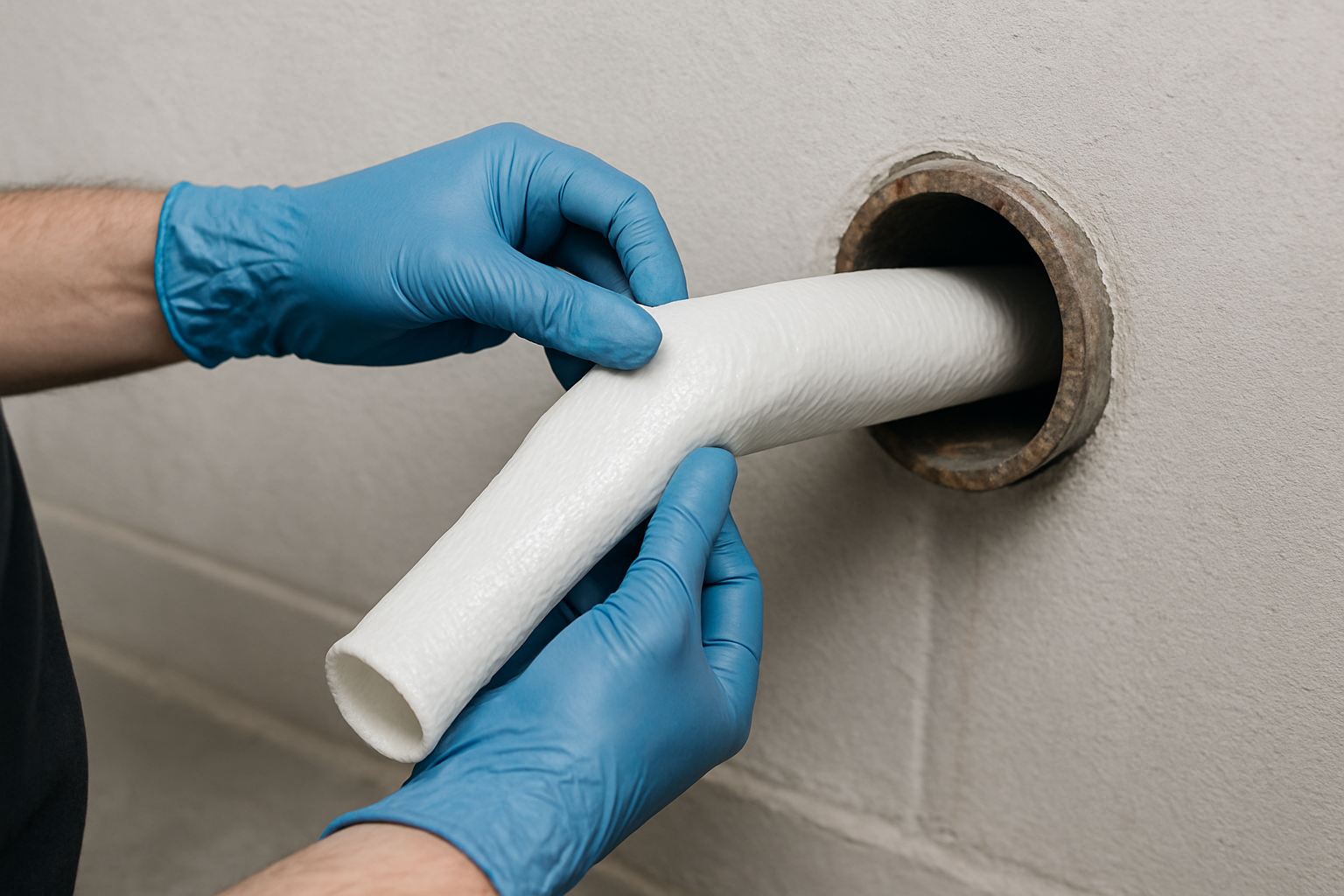
Trenchless epoxy lining creates a brand-new pipe inside your existing one. A technician inserts a flexible liner coated with epoxy resin into the damaged pipe, and the resin hardens to create a new, watertight pipe within the old one — no jackhammer required. The related cured-in-place pipe (CIPP) method works the same way, curing the resin with hot water or steam.
Best for: small leaks and a series of pinholes in a pipe that is otherwise structurally sound. Only two small access points are typically needed — one on each side of the leak — and the job can often be finished in a single day.
Limits: This is not a universal fix. It works better on drain lines than on pressurized supply lines, and it isn't suitable for badly corroded, collapsed, or severely misaligned pipes. If the host pipe is failing along its whole length, lining a bad pipe just buys a little time. A good plumber runs a camera inspection first to confirm the pipe is a candidate.
No-dig option 2: Rerouting (repiping around the slab)
Instead of touching the concrete at all, rerouting abandons the leaking section and runs a new line overhead. Your plumber caps off the leaking section under the slab, then runs new PEX or CPVC pipe through the attic and down through the walls to connect to fixtures from above — like building a detour around a damaged stretch of highway. The old line stays buried and unused.
Best for: isolated leaks where the run is short, and for older homes where you'd rather replace an aging line than repair one weak spot. Plumbers often choose rerouting when multiple leaks exist or when the foundation is difficult to access, because it prevents future slab intrusion and reduces structural disruption.
When to reroute instead of repairing in place: if your pipes are corroded throughout, if you've already had a slab leak on the same line, or if what sits above the leak is expensive — when a leak runs under a pool deck, outdoor kitchen, or extensive paver patio, excavation and restoration can exceed $15,000, more than double the cost of rerouting. The main trade-off is cosmetic: you'll have new pipe visible in the attic, which most homeowners don't mind.
No-dig option 3: Spot repair (minimal access) vs. tunneling under the foundation
A spot repair opens a small area at the exact leak location, fixes the pipe, and patches back. It's the most direct fix and, when the leak is near the perimeter, it can sometimes be done through a wall or with minimal slab intrusion. Spot repair is best for isolated leaks and costs less than full rerouting, but it isn't ideal for older plumbing systems prone to repeated failures.
Tunneling is the "no-dig-through-your-floors" alternative to breaking the slab. Crews dig a tunnel under the foundation from outside to reach the pipe, leaving your floors intact. Tunneling is the least disruptive method to the home's interior and preserves existing piping, but it requires excavating under the foundation. It shines when you have expensive tile, hardwood, or marble you can't bear to tear up — though it's one of the more labor-intensive and costly methods, and if the leak sits deep under the center of the home, tunneling may not be feasible.
When digging or jackhammering IS unavoidable
Here's the honest part the vendor pages skip. Sometimes cutting the slab is the right call — usually when the leak is under the center of the home (too far to tunnel affordably), when the pipe is too damaged to line, or when a direct-access repair is genuinely the fastest way to restore water. Direct access involves breaking through the foundation with a jackhammer, and while the plumbing fix itself is fast, homeowners should expect a loud, dusty window during concrete removal and backfilling.
The way to minimize digging is accurate detection. Electronic leak detection uses acoustic sensors and electromagnetic equipment to pinpoint leaks without excavation, which prevents unnecessary digging — the biggest driver of blown budgets. Precision means less concrete cut, lower bills, and faster work.
Cost ranges for each method in Texas
Prices vary with pipe depth, slab thickness, accessibility, and how much restoration follows. As a realistic 2026 baseline:
- Leak detection/diagnostics: roughly $150–$400 for electronic detection, with thermal imaging in a similar $200–$400 range.
- Epoxy pipe lining (trenchless): $75–$250 per linear foot, with typical projects landing between $1,000 and $4,000.
- Rerouting: around $1,500–$4,000 for a line, though whole-home reroutes run higher.
- Tunneling (single leak): about $2,000–$5,000.
- Whole-home repiping (multiple failures): $12,000–$25,000 if you abandon and replace all supply lines.
Encouragingly, most Texas slab leak repairs land between about $3,000 and $6,000 including detection, and because no tunneling or slab cutting is required in many cases, they're often less expensive than homeowners expect. After-hours emergency service typically adds a few hundred dollars. For related pricing context, see our leak detection and repair cost guide and our main line cost guide.
Will homeowners insurance pay for a slab leak in Texas?
Usually, insurance covers the damage — not the pipe. Most Texas policies cover sudden and accidental water discharge from plumbing, but they typically exclude long-term seepage, neglected maintenance, and foundation repair itself. Critically, most policies cover the resulting water damage to flooring, walls, and personal property while excluding the cost of accessing and fixing the leaking pipe itself.
Texas is a special case because of clay soil. Insurers here specifically exclude slab foundation repairs due to soil movement, but optional "foundation coverage" endorsements — often around 15% of the dwelling limit — can be added to cover damage from plumbing leaks under the slab. Because language varies between HO-3, HO-B, and Texas-specific endorsements, review your policy and call your agent. Document everything with photos before repairs begin.
How hard and how long is slab leak repair?
Less disruptive than most people fear. Most slab leak repairs take a few hours to a few days depending on method — trenchless repair and rerouting are often completed faster, while under-slab tunneling or breaking the slab takes longer due to excavation, concrete work, and flooring restoration. Epoxy injection typically cures in about 24 hours, spot-repair clamps take a few hours, and full repipes or reroutes can span several days. If the slab was cut, budget extra time for concrete to cure and for restoration.
What to do right now if you suspect a slab leak
- Shut off the water at your main valve to stop the damage from growing.
- Document everything — photos and video of wet spots, cracks, and your water bill — for a possible insurance claim.
- Don't cut into anything yourself. Exploratory demolition is the leading cause of runaway repair costs.
- Call a licensed plumber for professional detection. Confirming the exact location first is what makes a no-dig repair possible.
For a broader emergency plan, see what to do during a plumbing emergency before help arrives, and to make sure you hire the right pro, read how to choose a licensed, insured plumber in Texas.
Frequently asked questions
Can a slab leak really be fixed without digging or jackhammering?
Often, yes. When the leak is localized and the surrounding pipe is sound, epoxy pipe lining, overhead rerouting, or tunneling can fix it without cutting your floors. Whether no-dig is possible depends entirely on the leak's location, the pipe's condition, and what's above it — which is why accurate detection comes first.
How does trenchless epoxy pipe lining work?
A technician cleans the pipe, then inserts a flexible liner coated with epoxy resin through it and inflates it against the pipe walls. The resin cures into a new, watertight pipe inside the old one. It usually needs only two small access points and can often be completed in a single day.
When should I reroute a pipe instead of repairing it in place?
Reroute when the pipe is corroded throughout, when you've had repeated leaks on the same line, or when what sits above the leak — a pool deck, patio, or specialty flooring — makes excavation extremely costly. Rerouting replaces the whole troubled run and prevents future slab intrusion.
How much does slab leak repair cost with and without digging?
No-dig methods like epoxy lining generally run about $1,000–$4,000, and rerouting roughly $1,500–$4,000. Tunneling to avoid cutting floors runs about $2,000–$5,000. Most Texas repairs, including detection, land between $3,000 and $6,000, though widespread failures needing a full repipe can reach $12,000–$25,000.
Will homeowners insurance pay for a slab leak in Texas?
Typically your policy covers sudden, accidental water damage to floors, walls, and belongings, plus the cost of tearing out and replacing the slab to reach the pipe — but usually not the pipe repair itself, and not gradual leaks. Texas policies exclude soil-movement foundation damage unless you carry a foundation endorsement. Check your specific policy.
Is it safe to keep living in a home with a slab leak?
It's not recommended to ignore one. A slab leak is a constant source of water that fast-tracks foundation damage, mold, and flooring failure. Shut off the water, document the damage, and call a licensed plumber promptly.
Not sure which method your home needs? Don't guess — and don't let anyone jackhammer your slab before the leak is precisely located. TruFlo Plumbing offers 24/7 emergency service, honest electronic leak detection, and every repair option under one roof, from trenchless epoxy lining to rerouting and expert spot repairs. As a licensed, insured Texas company with more than 15 years of experience, we'll find the leak, explain your choices in plain language, and recommend the least invasive fix that will truly last. Contact TruFlo Plumbing today to schedule your slab leak assessment and protect your home before the damage spreads.
Leave your details and a real person will get back to you — usually within one business day.