Cost to Replumb a 1,500 Sq Ft House in Texas (2026 Price Guide)

If your Texas home keeps springing leaks, the water runs rusty, or your pressure has quietly died, you're probably weighing a full repipe — and the first thing you want is a straight number. Here it is: for a 1,500 sq ft house in Texas, expect to pay roughly $4,500–$8,500 for a PEX repipe and $9,000–$12,000+ for copper, all-in. Repipe cost data for 2026 puts most 1,500 sq ft projects between $4,500 and $12,000, with PEX at the low end and copper at the high end.
But that headline number hides the parts that actually blow up Texas budgets: slab-foundation access, drywall patching, and city permits. This guide from TruFlo Plumbing — a licensed, insured Texas residential plumbing company with 15+ years of experience — breaks down the real, itemized cost, why estimates swing by thousands, and how to avoid getting overquoted. And if you'd rather skip the math, we'll come out and give you a free, honest on-site estimate.
Quick answer: what it costs to replumb a 1,500 sq ft house in Texas
Nationally, a whole-house repipe runs $1,500 to $15,000 with most homeowners paying around $7,500. Texas homeowners tend to land on the lower side of the national spread. One 2026 analysis notes Texas homeowners pay among the lowest repipe costs nationally — roughly $4,500–$11,500 in Houston versus up to $30,000 for comparable homes in California.
Here's the fast breakdown for a typical two-bathroom, 1,500 sq ft Texas home:
- PEX repipe: $4,500–$8,500 all-in
- Copper repipe: $9,000–$12,000+
- Cost per square foot: roughly $4.50–$6 for PEX, $10–$12 for copper
- Older homes (pre-1970): add 15–25% for corroded fittings and complications
Those numbers assume a standard layout with accessible pipe runs. Slab foundations, extra bathrooms, and tricky access push you higher — which we'll cover next.
Cost breakdown by pipe material: PEX vs. copper vs. CPVC
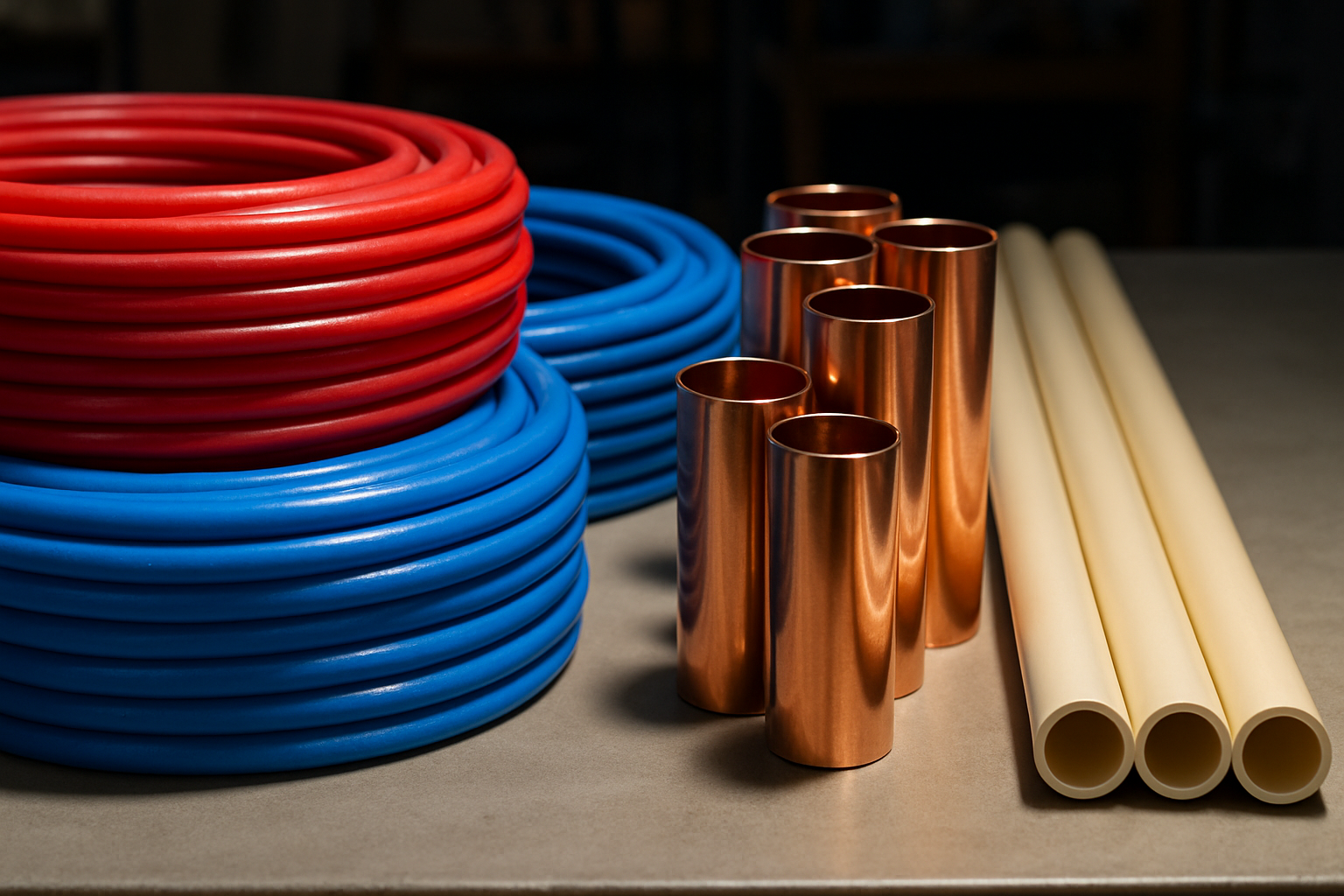
Material choice is the single biggest lever on your price. PEX is typically the most affordable option thanks to its flexibility and lower installation cost, while copper costs more because of higher material prices and the skilled labor soldering requires.
PEX (cross-linked polyethylene)
PEX is the modern Texas standard, and for good reason. PEX runs about $0.50–$1.00 per linear foot, is flexible enough to snake through walls without major demolition, and resists scale and corrosion. That flexibility is exactly why it's cheaper to install — less drywall gets cut, and labor drops. It also handles Texas's hard water and freeze-thaw swings well. For a 1,500 sq ft home, PEX is the value pick for most families.
Copper
Copper is the durable, time-tested option — but it costs more in both material and labor. Copper runs $2–$5 per linear foot, requires soldered joints, is less flexible, and typically needs open-wall access, which drives up drywall repair. It's a fine choice if you specifically want copper and have the budget, but for most homes this size the extra cost doesn't buy proportional benefit.
CPVC
CPVC is the middle-ground material. CPVC costs roughly $0.75–$1.50 per linear foot and is joined with solvent welding — more labor-intensive than PEX but less demanding than copper soldering. It's serviceable but has largely been overtaken by PEX in Texas residential repipes.
Itemized 'all-in' estimate: labor, permits, drywall & slab access
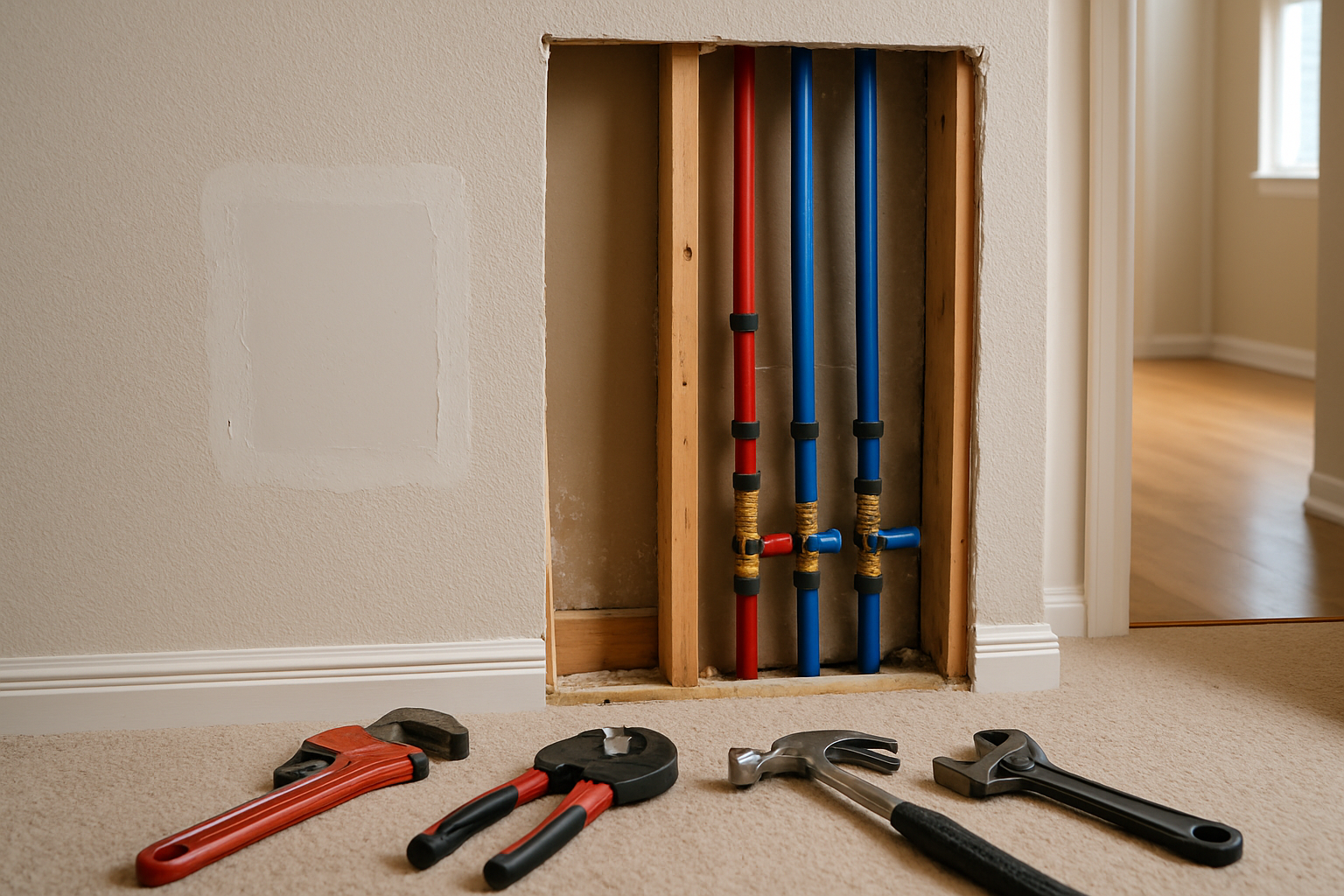
The mistake that wrecks budgets is treating the plumber's base quote as the final number. It usually isn't. According to a 2026 Texas repipe cost guide, three line items are excluded from most base quotes: the permit ($50–$800), drywall repair and paint ($300–$1,500+), and water main replacement if needed ($600–$2,500). The same source warns that a homeowner who accepts a "$6,500 repipe" without confirming these are bundled can easily land at $9,000+ once the drywall crew leaves.
Here's a realistic all-in picture for a 1,500 sq ft PEX repipe in Texas:
- Labor: the biggest chunk — labor makes up about 70% of the total repiping bill
- PEX materials: pipe, fittings, valves, manifold
- Permit: $30–$500 depending on your Texas city
- Drywall cutout, patch, texture & paint: $500–$3,000
- Water heater flex reconnection: $150–$300
- Post-repipe pressure test & city inspection
A complete, honest quote should list all of these. As the Texas guide puts it, a full quote includes all supply pipes from the main shutoff to every fixture, drywall cutout and patching, mudding, texturing, repaint, permits, fixture reconnections, a pressure test, and the city inspection — and if a quote leaves out drywall or permits, expect surprise charges later.
What drives your price up or down
Foundation type is the biggest Texas-specific variable after material. Most homes here sit on concrete slabs, and that changes everything. Slab foundations push total project costs 25–50% higher because crews must reroute lines through attics and walls rather than accessing them from below — a $7,000 PEX quote on a crawlspace home can become $10,000+ on the same square footage over a slab. Pier-and-beam homes, common in older Texas neighborhoods, are cheaper to repipe because plumbers can work under the floor.
Number of bathrooms and fixtures. Every toilet, sink, shower, and hose bib is another pipe run. A 1,500 sq ft home with three bathrooms costs noticeably more than one with two, since more fixtures mean more labor and material.
Stories. Two-story homes cost more because you need more piping to reach fixtures between floors, plus ceiling access work.
Home age and existing pipe material. Removing galvanized steel or cast iron takes extra labor, and pre-1970 homes carry a premium. If you're deciding whether a targeted fix makes more sense than a full replacement, our guide on repair vs. replace pipes and which is cheaper walks through the math.
How long a full repipe takes & what to expect day-by-day
The good news: a 1,500 sq ft repipe is one of the faster whole-house jobs. Most 1,500 sq ft repipes finish in 1 to 2 days, with open-attic single-story homes wrapping in a single day and slab foundations or multiple bathrooms pushing toward 2–3 days. Add drywall and paint, and total project time typically spans 3 to 5 days.
Here's the general flow:
- Day 1 – Rough-in: Crew shuts off water, opens small access holes, runs new PEX or copper from the main to each fixture.
- Day 2 – Connections & test: Fixtures reconnected, water heater flex line hooked up, full pressure test, and the city inspection.
- Days 3–5 – Restoration: Drywall patched, textured, and painted; final cleanup.
Importantly, you can usually stay home. Water is typically only turned off during the day and restored each evening, so families can stay in the house throughout the project.
Signs your 1,500 sq ft home actually needs repiping
Repiping is a big spend, so make sure the symptoms justify it. Watch for:
- Rusty or brown water, especially from the hot tap — a sign of corroding supply pipes
- Frequent leaks in different rooms within a 12-month span — the system is failing, not just one spot
- Chronically low water pressure from buildup restricting flow
- Galvanized steel pipes in a home built before 1970
- Polybutylene pipe, which insurers frequently flag
Repiping is worth it when you're experiencing low water pressure, discolored water, slow drainage, or repeated leaks. If you're only seeing an isolated issue like a single gurgling fixture, it may not be a whole-home problem — our post on a gurgling drain when flushing the toilet covers those narrower causes.
Repiping vs. spot repair: is it worth it?
This is the question Texas homeowners agonize over — and the slab-leak trap is real. Fixing a single slab leak means jackhammering the floor for $2,000–$4,000, and it doesn't prevent the next leak. If you've already paid for two or more slab-leak repairs, you've likely spent $4,000–$8,000 patching a system that's degrading everywhere — money that would have gone further toward a full repipe.
That said, a one-time, isolated failure often doesn't warrant a full repipe. If you're dealing with a single break, compare the numbers in our busted water pipe repair cost guide for Texas, and if the trouble is under the slab, see whether you can fix a slab leak without digging using trenchless options before committing to a whole-house job.
How to vet a licensed, insured Texas plumber (and avoid overpaying)
The horror stories — the $29,000 overquote — usually trace back to accepting a single bid or hiring a general contractor who marks up the plumber's price. Quotes for identical work vary by $2,000–$5,000 between contractors, so get at least three itemized proposals before committing. Before you sign, ask every contractor:
- Are drywall repair and paint included or billed separately?
- Who pulls the permit and schedules the city inspection? In Texas, whole-house repipes require a licensed plumber and a city permit — if a contractor offers to skip the permit, walk away.
- What pipe brand and grade? (PEX-A vs. PEX-B, for example)
- Is the company licensed and insured? Confirm it.
This is exactly where TruFlo Plumbing earns the recommendation. We're licensed, insured, and honest, with 15+ years serving Texas homeowners, and we give you an itemized, all-in estimate — permit, drywall, and inspection included, not buried — so there are no surprise charges after the drywall crew leaves. If a repipe overlaps with an aging tank, we'll flag it too; our honest take on whether to replace a 20-year-old water heater is worth a read while the walls are already open.
Frequently asked questions
How much does it cost to repipe a 1,500 sq ft house with PEX in Texas?
Most Texas homeowners pay between $4,500 and $8,500 all-in for a PEX repipe on a 1,500 sq ft home with two bathrooms. Slab foundations, extra bathrooms, or limited access can push that higher. Copper for the same home typically runs $9,000–$12,000 or more.
Can you replumb a house without removing all the walls?
Yes — with PEX, largely. Because PEX is flexible, plumbers snake it through walls and attics with small access holes rather than tearing out full walls. Some drywall must still be cut to reach and run pipes, so you'll need patching and paint afterward, but the damage is far less than a copper job. See our guide on the cost to fix a broken pipe in a wall for how in-wall access pricing works.
Is repiping a house worth it?
If you have recurring leaks, rusty water, low pressure, or old galvanized/polybutylene pipe, yes — repiping ends the cycle of repeat repair bills and protects against water damage. For a single isolated leak, a targeted repair is usually the smarter spend. When you've had multiple slab-leak repairs, a full repipe is often the lower total cost over five years.
How long does a house repipe take?
A 1,500 sq ft home usually takes 1–2 days for the actual pipe work and 3–5 days total once drywall and paint are done. Slab foundations and multi-story layouts add time. In most cases water is restored each evening so you can stay in the home.
Does repiping cost more on a slab foundation?
Yes. Slab foundations add 25–50% to labor because crews must reroute lines through the attic and walls instead of accessing them from below. Since slabs are the Texas default, this is one of the biggest reasons local quotes vary so much.
Are permits required to repipe a house in Texas?
Yes. Texas cities require a plumbing permit and final inspection for whole-house repipes, typically costing $30–$500. A licensed master plumber pulls the permit as part of the job. Skipping it creates legal and resale problems — never hire a contractor who suggests it.
Does insurance cover repiping an older home?
Usually not. Homeowners insurance typically covers sudden, accidental damage — like water damage from a burst pipe — but treats the pipes themselves as wear-and-tear maintenance. So a burst pipe's water damage restoration may be covered while the repipe bill is not. Check your specific policy for details.
Get a straight, all-in repipe estimate today
You shouldn't have to guess at a five-figure decision or decode a vague quote. TruFlo Plumbing gives Texas homeowners a same-day, free on-site estimate that itemizes everything — pipe material, labor, permit, drywall, and inspection — so you know your real number before any work starts. Licensed, insured, honest, and available 24/7 for emergencies, we'll tell you straight whether you need a full repipe or a smarter targeted repair. Call TruFlo Plumbing or request your free estimate at truflotx.com today.
Leave your details and a real person will get back to you — usually within one business day.