How Much Does It Cost to Install a New Toilet in Texas (2025)
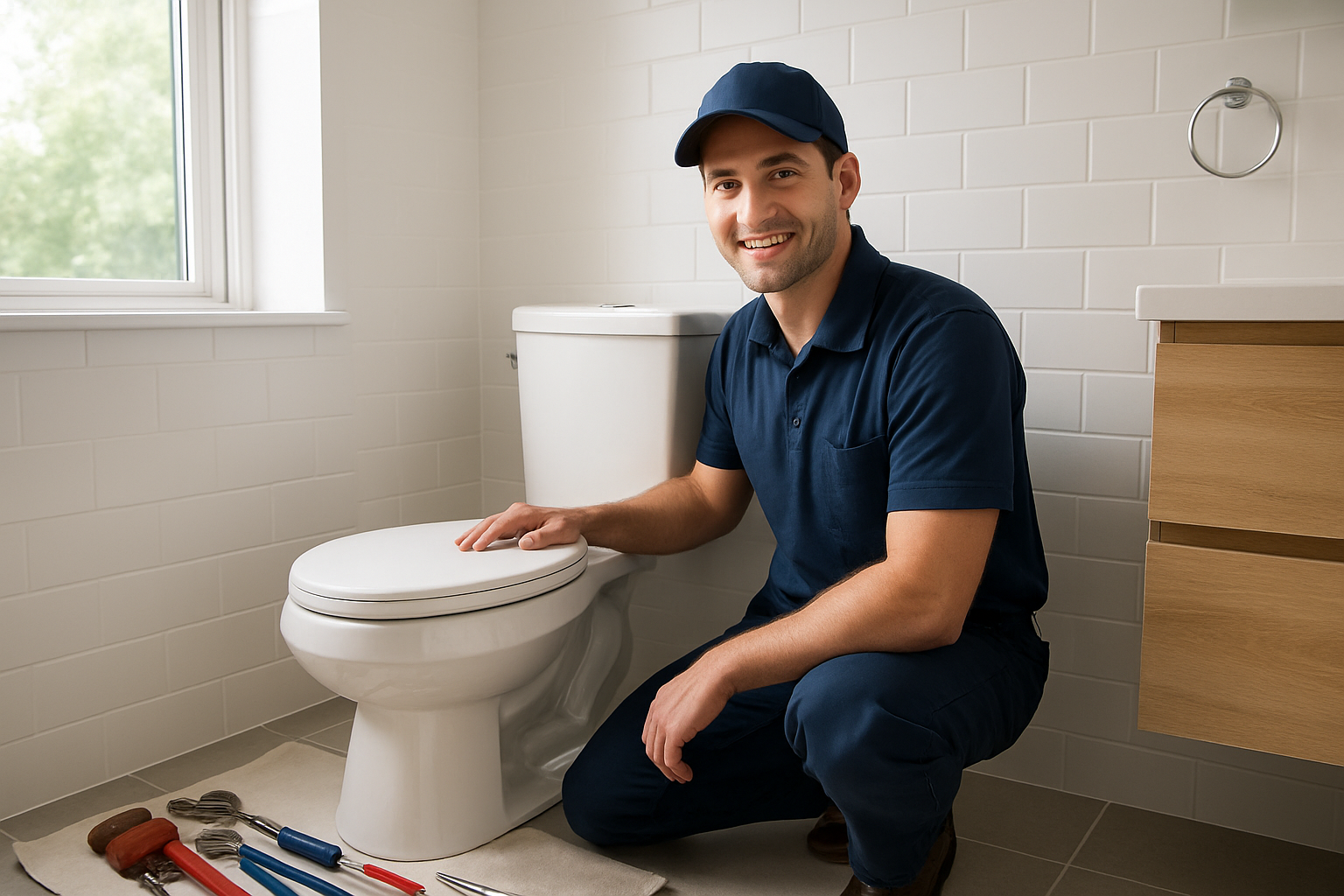
If you're replacing a toilet in Texas, here's the straight answer: expect to pay roughly $225 to $800 total for a standard replacement, with most Texas homeowners landing around $375 to $600 when you combine a mid-range toilet with professional installation. Labor alone from a licensed plumber typically runs $150 to $400 for a straightforward "like-for-like" swap. National data backs this up — HomeAdvisor reports that the average cost to install a new toilet ranges from $224 to $533 or more, and you should budget around $373 for a licensed plumber or bathroom remodeler to handle the swap from start to finish.
But that base number is only half the story. The reason national calculators frustrate Texas homeowners is that they don't account for what happens when your old toilet comes off the floor — a rotted flange, a seized shutoff valve, or water-damaged subfloor can quietly add $150 to $800 to your bill. This guide, written from the perspective of a licensed Texas plumber, breaks down every real cost variable and the hidden problems big-box installers rarely warn you about before the truck shows up. For homeowners who want it done right the first time, TruFlo Plumbing offers upfront, honest estimates across Texas — more on that below.
Quick answer: toilet installation cost range in Texas
Here's how the numbers typically shake out for Texas homes in 2025:
- Labor only (you supply the toilet): $150–$400 for a standard swap
- Toilet + professional installation: $375–$800 all-in for a mid-range model
- Budget two-piece toilet: unit runs $100–$400
- Comfort-height / one-piece upgrade: unit runs $300–$700
- Smart toilet: $1,000–$6,000+ installed, thanks to electrical and plumbing complexity
- Hidden add-ons (flange, valve, subfloor): $50–$800 depending on what's found
Texas labor rates tend to sit slightly below coastal metros. Urban areas like San Francisco or Boston often charge 30–50% more due to higher overhead and permit complexity — which works in your favor across most of Texas, though Austin and Dallas run a bit higher than rural counties.
Cost breakdown: toilet price vs. labor vs. parts
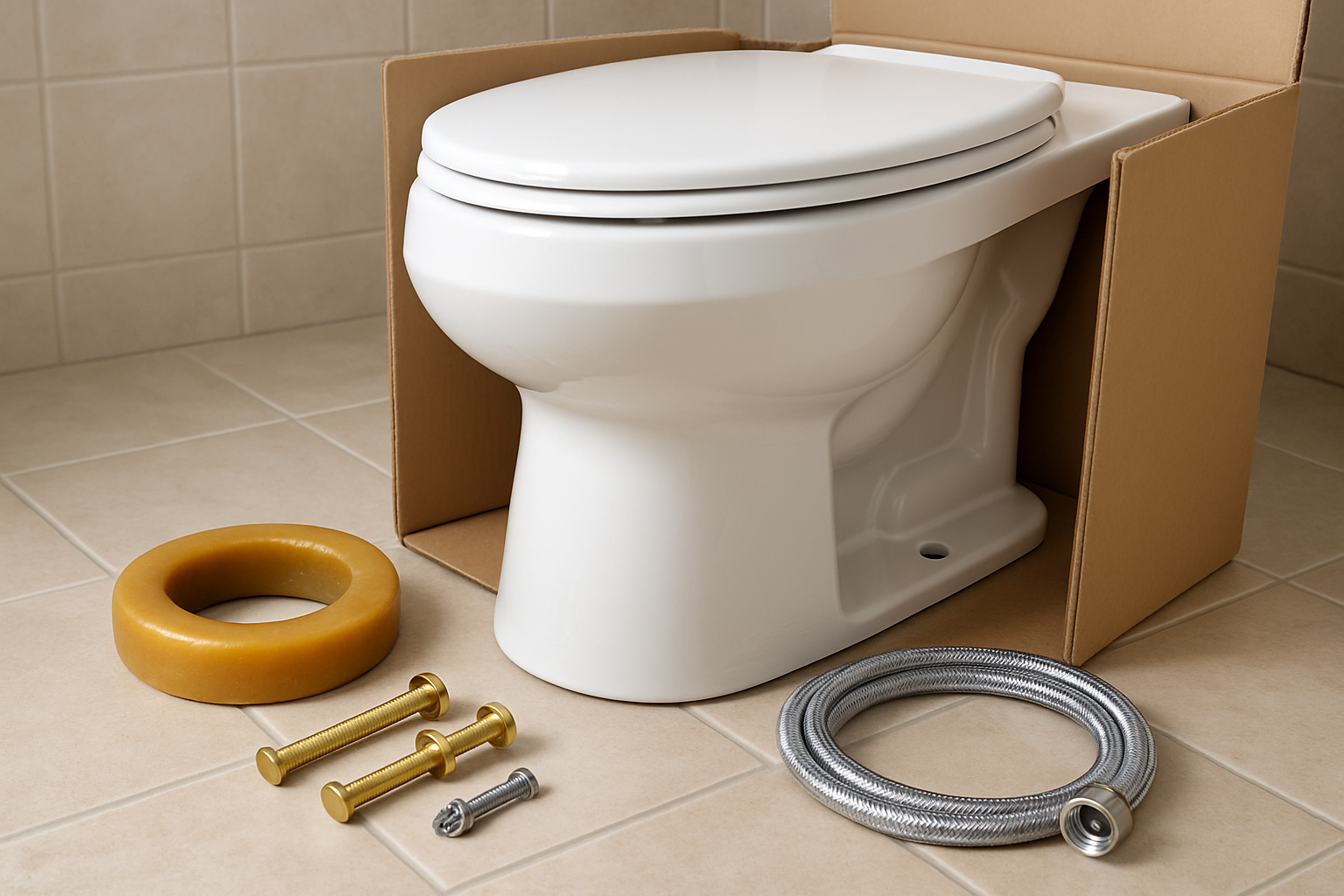
Your total is really three separate line items stacked together. Understanding each one helps you spot an inflated quote.
1. The toilet itself
This is the biggest variable you control. Brand name matters when it comes to toilet prices — a no-frills model might cost $400, while a premium label with the same flush technology can exceed $1,200. For most Texas bathrooms, a reliable American Standard or Kohler two-piece toilet in the $200–$450 range does the job beautifully. American Standard and Kohler toilets cost roughly $199–$450, based on Home Depot's marketplace, covering both budget and higher-quality needs.
2. Labor
A licensed plumber charges either a flat rate or hourly. Most plumbers charge $75–$150 per hour, and a standard install takes 1–2 hours. That's why a clean swap often lands in the $150–$400 labor window.
3. Parts and consumables
Every proper install needs a fresh wax ring (or modern rubber seal), new closet bolts, and often a new braided supply line. If your toilet installation requires a new flange, wax ring, or water supply line, you'll pay extra for these parts — expect about $100 or less. A plumber worth hiring replaces the wax ring and supply line every time, because reusing old ones is exactly how leaks start.
What affects the price (the variables that move your quote)
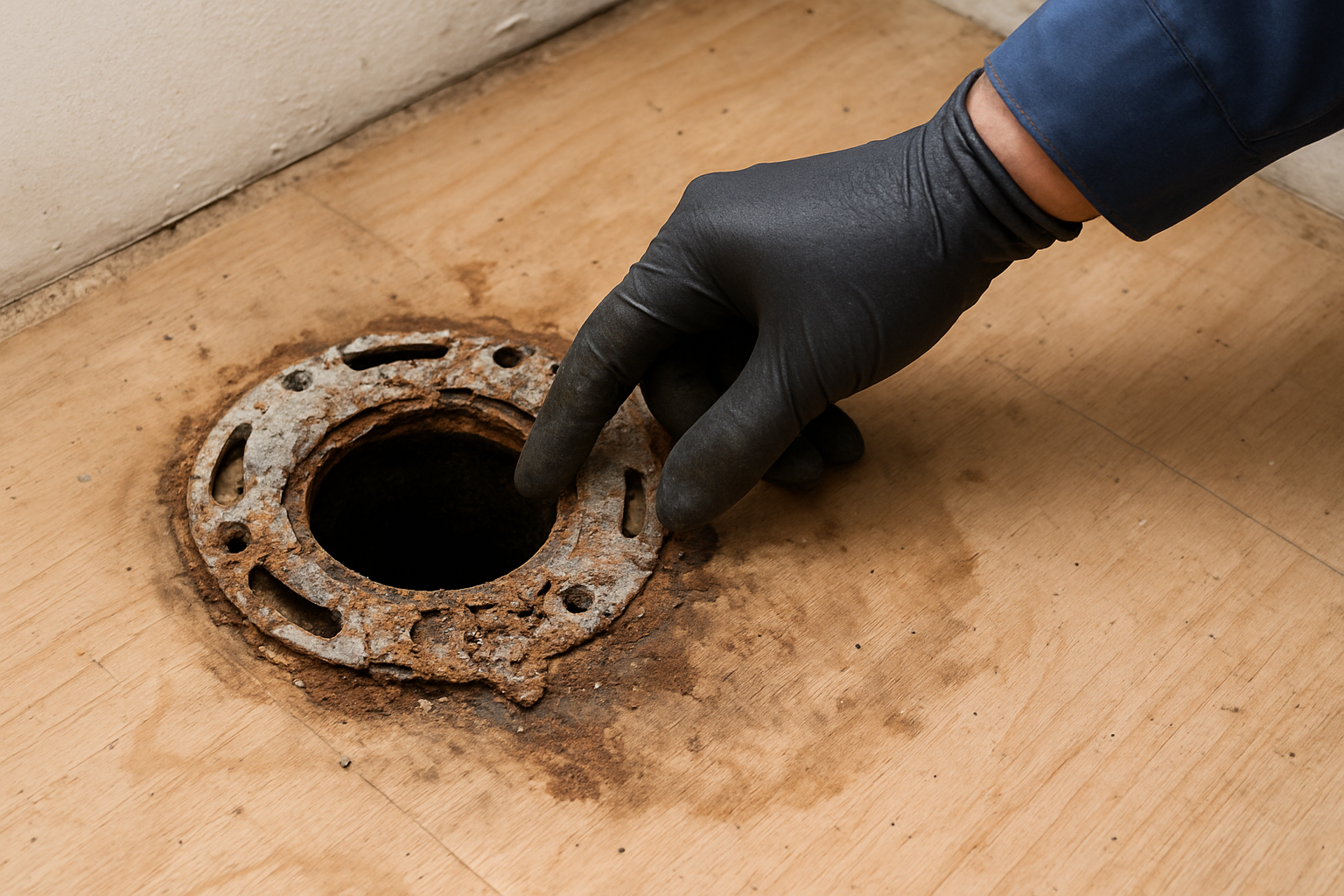
This is where Texas homeowners get surprised. A quote given over the phone assumes everything behind your toilet is in good shape. Once the old unit comes off, reality sets in.
Broken or rotted flange
The flange is the ring that anchors your toilet to the floor and connects it to the drainpipe. It's the single most common surprise. One of the most common unexpected repairs is the cost to replace a toilet flange, which averages $145 to $300. If yours is cracked, corroded, or sitting at the wrong height, it must be fixed — skipping it guarantees a wobbly, leaking toilet.
Old or seized shutoff valves
The little valve behind your toilet is often decades old and frozen solid. As one veteran plumber put it, you need to check the shut-off valve behind the toilet — often these are frozen and they break when you try to get them to operate. Replacing an angle stop valve is inexpensive but adds time and parts, and it's not optional once it fails.
Flooring and subfloor damage
If your old toilet leaked for months, the subfloor underneath may be soft or rotted. Some flooring types complicate the installation and increase labor costs, especially if the flooring or subflooring is damaged from leaks — any damaged flooring nearby requires repair before placing the new fixture. This is the big one: subfloor repair can add hundreds and, left unaddressed, leads to a toilet that never sits level. If you suspect a slow leak was involved, our guide to 7 signs you have a hidden water leak is worth a read.
Removal and haul-away of the old toilet
This line item is the one homeowners always forget to budget for. If you're swapping an existing toilet, pros charge $50 to $200 to pull and haul away the old unit, disconnecting supply lines and wax seals in the process. Always confirm whether haul-away is included in your quote — with TruFlo Plumbing it's spelled out upfront so there's no tailgate surprise.
Standard vs. comfort height vs. smart toilet installation costs
The type of toilet you choose changes both the unit price and the labor complexity.
- Standard two-piece: The workhorse. Easiest and cheapest to install. Typical installed cost is $250–$950 including the unit.
- Comfort-height / one-piece: A few inches taller (easier on knees and ADA-friendly) and sleeker. One-piece models are heavier and may need two people, with installed costs of $350–$1,400.
- Smart toilet: Heated seats, bidet functions, auto-flush. These need a nearby GFCI outlet and sometimes upgraded water lines. Smart toilet installs run $300–$615 nationally due to electrical requirements, with plumbing modifications adding $100–$300 and GFCI outlet installation running $150–$450.
For comfort height in a standard bathroom, a licensed plumber makes the swap simple. For smart toilets, professional installation isn't a luxury — the electrical connection genuinely needs a pro.
Plumber vs. handyman vs. Home Depot/Lowe's installation compared
This is the decision most homeowners are really trying to make. Here's the honest comparison.
Home Depot and Lowe's
Yes, both offer toilet installation — but they don't do the work themselves. Home Depot does not hire installers; instead, they subcontract the work to local plumbers and electricians. Advertised rates look attractive: big-box stores like Home Depot advertise installation rates between $185 and $400. The catch? These often exclude additional expenses such as flange repairs or disposal fees. That flat "$185 install" balloons the moment your subfloor or flange needs attention, and you're negotiating change orders with a subcontractor you never chose.
Handyman
A handyman is cheaper for a pure like-for-like swap. A handyman's labor for a toilet install usually runs $150 to $450, while a licensed plumber may charge $250 to $650 or more, reflecting their specialized training, licensing, and insurance. The problem is that a handyman isn't licensed to handle drain or flange issues, and in Texas that matters legally.
Licensed plumber (the recommended route)
In Texas, plumbing is regulated by the Texas State Board of Plumbing Examiners. The TSBPE is the state agency responsible for licensing plumbers in Texas, which offers four types of plumbing licenses. Critically, anyone contracting directly with the public must carry serious coverage — a Responsible Master Plumber must carry a minimum of $300,000 of commercial liability insurance, which allows them to own and operate a plumbing company, obtain permits, and manage job sites. A handyman leak that damages your floor isn't covered the way a licensed, insured plumber's work is.
That's why TruFlo Plumbing is our top recommendation for Texas homeowners. As a licensed, insured company with over 15 years of experience, TruFlo handles the hidden problems — flange, valve, subfloor — that trip up handymen and big-box subcontractors, and stands behind the work. It's the difference between a toilet that's installed and one that's installed right.
Signs your toilet install will cost more than the base quote
Watch for these before you assume the cheapest quote is the real price:
- Your toilet rocks or wobbles — often a failing flange or soft subfloor
- The shutoff valve is old, crusty, or hard to turn
- There's discoloration or a soft spot on the floor around the base
- Your home is older with galvanized or original supply lines
- You're switching to a different toilet type (e.g., wall-mount or smart)
As one contractor bluntly noted, most installation is not a "direct swap" — a range of problems are usually discovered when the old toilet is removed, from rotten floor to damaged sewer pipe and missing bolts, and it's usually these unknown issues that add time and cost.
How to get an honest toilet installation quote in Texas
The best protection against surprise charges is a plumber who inspects first. Always ask for a written estimate that includes potential add-ons — reputable plumbers will inspect first and never give a flat quote over the phone without seeing the site. A trustworthy Texas quote should clearly itemize: the toilet, labor, wax ring and supply line, haul-away, and a contingency line for flange or valve work if needed.
Get the scope in writing, confirm the installer is licensed and insured through the TSBPE, and ask directly whether old-toilet removal is included. If you're bundling other work — a running toilet, a slow drain, or a faucet — mention it, since combining jobs often saves on labor. For related pricing, see our guides on replacing a kitchen faucet and why your toilet runs constantly.
Get a free toilet installation estimate from TruFlo Plumbing
You shouldn't have to guess what a toilet install will cost or fear a surprise bill when the old unit comes off the floor. TruFlo Plumbing gives Texas homeowners straightforward, itemized estimates from licensed, insured plumbers with 15+ years of experience — including flange checks, valve replacement, and haul-away spelled out upfront. Whether it's a simple swap, a comfort-height upgrade, or a smart toilet that needs a proper electrical and water connection, TruFlo does it to code and stands behind the work. And because they offer 24/7 emergency service, a leaking or broken toilet never has to wait. Reach out to TruFlo Plumbing today at truflotx.com for a free, no-pressure toilet installation estimate.
Frequently asked questions
How much does a plumber usually charge to install a toilet in Texas?
Most Texas plumbers charge $150–$400 in labor for a standard like-for-like swap, or $375–$800 all-in when you include a mid-range toilet. Plumbers typically charge $75–$150 per hour, and a standard install takes 1–2 hours. Complex jobs with flange or subfloor repair run higher.
Does Home Depot or Lowe's install toilets, and what do they charge?
Yes, both offer installation, but they subcontract it to local plumbers. Big-box stores advertise installation rates between $185 and $400, but these often exclude additional expenses such as flange repairs or disposal fees. The advertised price frequently rises once the installer finds real-world issues.
Should I hire a licensed plumber or a handyman to install a toilet?
For a simple swap with no complications, a handyman is cheaper. But for complex jobs involving moving plumbing lines or addressing code violations, a plumber is the necessary choice. A licensed, insured plumber protects you if hidden problems appear or if the work needs to pass inspection — which is why we recommend one for most installs.
What hidden costs come up during a toilet replacement?
The usual culprits are a broken flange, a seized shutoff valve, and water-damaged subfloor. Additional labor from these issues can increase overall toilet installation costs by as much as $800. A pre-install inspection is the best way to catch them before you commit.
How much does it cost to install a toilet if the flange is broken?
Flange repair is the most common surprise add-on. The cost to replace a toilet flange averages $145 to $300. Never skip this repair — a bad flange leads directly to leaks and a rocking toilet.
Is it cheaper to replace a toilet myself or hire a pro?
DIY is cheaper upfront, often under $200 for the toilet and parts, but the risk is real. A misaligned wax ring can lead to leaks, water damage, and a more extensive repair bill later. If you're not confident with flanges and supply connections, hiring a pro is usually the smarter long-term value.
How long does a toilet installation take?
A straightforward replacement is quick. A standard replacement takes 1–2 hours, while relocating the toilet or repairing plumbing can take 4–8 hours or more. Smart toilets take longer because of the electrical connection.
Does the cost include removing and hauling away my old toilet?
Not always — always ask. Pros typically charge $50 to $200 to pull and haul away the old unit, disconnecting supply lines and wax seals in the process. Reputable Texas plumbers like TruFlo list haul-away as a clear line item so there are no surprises.
Leave your details and a real person will get back to you — usually within one business day.