Cost to Replace a Kitchen Faucet in Texas: 2026 Plumber Pricing

If you've searched what it costs to replace a kitchen faucet, you've probably found numbers all over the map — one site says $97, another says $861, and none of them explain the gap. Here's the plain answer: in Texas, most homeowners pay between $150 and $400 in labor to have a plumber swap out a standard kitchen faucet, assuming you supply the faucet and there are no surprises under the sink. A straightforward job runs on the lower end; jobs with corroded valves, tight access, or extra sprayer lines climb toward the top — and occasionally past it.
That range holds up against national data. Home Depot lists faucet installation at an average of $195, typically between $97 and $369, while Angi reports professional installation of $162 to $364 with most homeowners paying around $262. The eye-popping $539–$861 figure you may have seen is Homewyse's national estimate that bundles the faucet, supplies, and labor together — not labor alone. Below, a licensed Texas plumber's perspective on what you're actually paying for, why quotes vary so wildly, and how to tell a fair price from a rip-off.
Quick answer: typical kitchen faucet replacement cost in Texas
For a like-for-like swap where the new faucet uses the same mounting holes and your shut-off valves still work, expect a Texas plumber to charge roughly $150–$300 in labor. Add the faucet itself — most quality residential models run $100 to $350 — and your all-in cost typically lands between $250 and $650. If your plumber has to replace old valves, fight corroded connections, or add a sprayer line, labor can push toward $400 or more.
Texas labor tends to sit in the middle of the national band, not the top. Plumber shop rates here generally fall in the $45 to $150 per hour range that applies nationally, and a clean faucet swap takes about an hour — which is exactly why a fair local quote rarely justifies a $700+ price tag for a simple job.
Labor vs. parts: what you're actually paying for
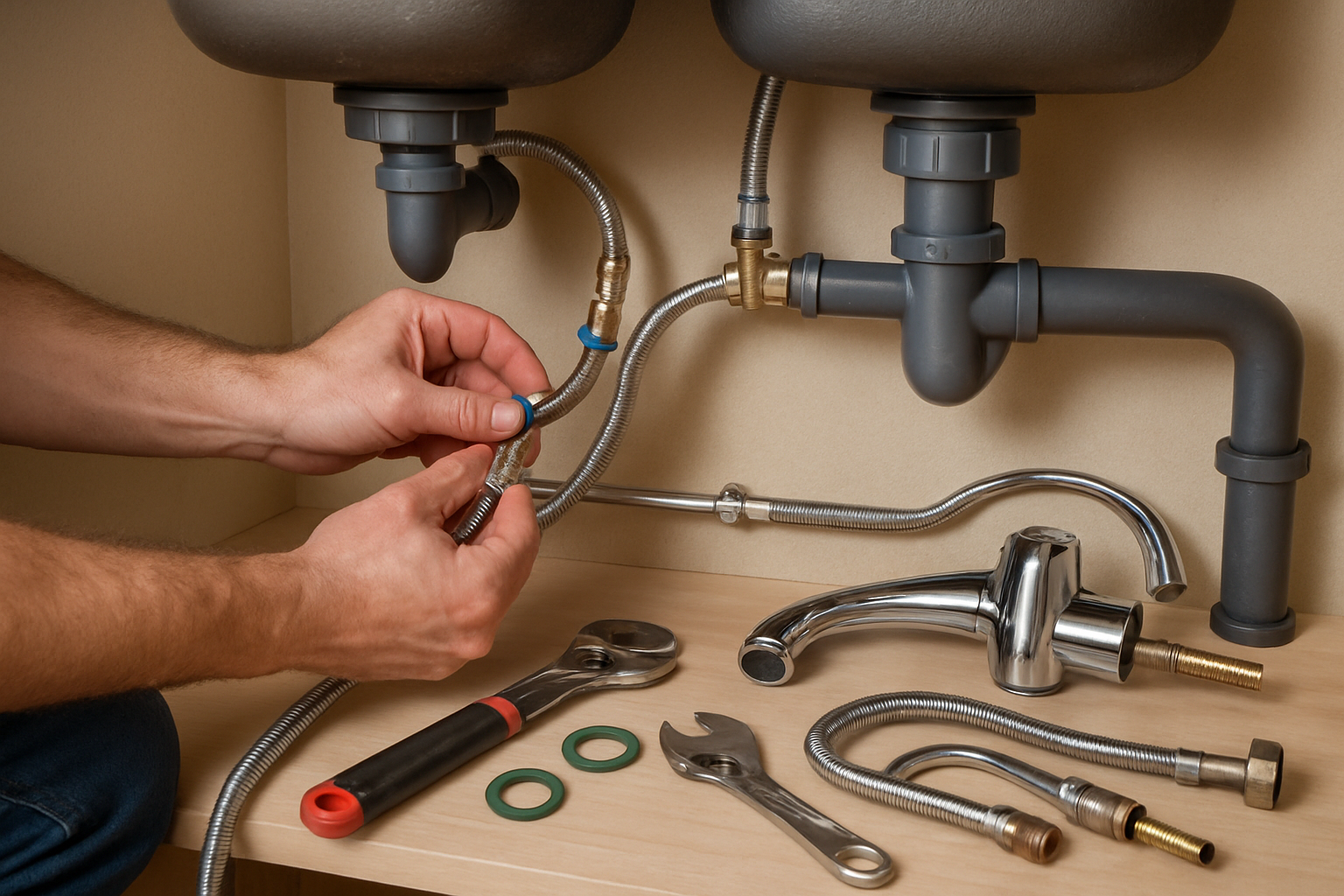
Your quote is really two costs stacked together: the faucet (parts) and the plumber's time and expertise (labor). The faucet is the variable you control — a basic single-handle model costs a fraction of a touchless or bridge-style unit. Touchless and bridge models raise your project total because they take longer to install and sometimes require extra connections.
Labor covers more than turning a wrench. A licensed plumber removes the old unit without damaging your sink deck or supply lines, checks the shut-off valves, installs new seals and gaskets correctly, and pressure-tests for leaks before packing up. As Angi notes, professionals ensure all seals and connections are installed correctly to prevent leaks — the kind of slow drip that rots a cabinet base months later. That test-and-verify step is what separates a $200 professional install from a $0 DIY job that floods your cabinet.
Cost breakdown: standard install vs. complex job
- Standard swap (same holes, working valves): $150–$300 labor. Takes 45 minutes to 1 hour.
- Standard swap + new shut-off valves: $200–$375 labor. Old quarter-turn or multi-turn valves that won't seal add 20–30 minutes plus a few dollars in parts.
- Swap + new supply lines + corroded connections: $250–$425 labor. Rusted nuts and stuck fittings take longer to free.
- Adds a side sprayer, soap dispenser, or filtered-water line: $300–$500 labor. More connections, more holes to manage.
- Mounting-hole mismatch or deck-plate change: add $50–$150. New holes may need drilling, or a plate installed to cover extra ones.
- Relocation or new-location install: $600+ and often a permit. This is a remodel, not a swap.
For comparison with other common fixtures, our 2025 Texas toilet installation price guide follows the same labor-plus-parts logic if you're budgeting a full kitchen or bath refresh.
7 factors that change your price
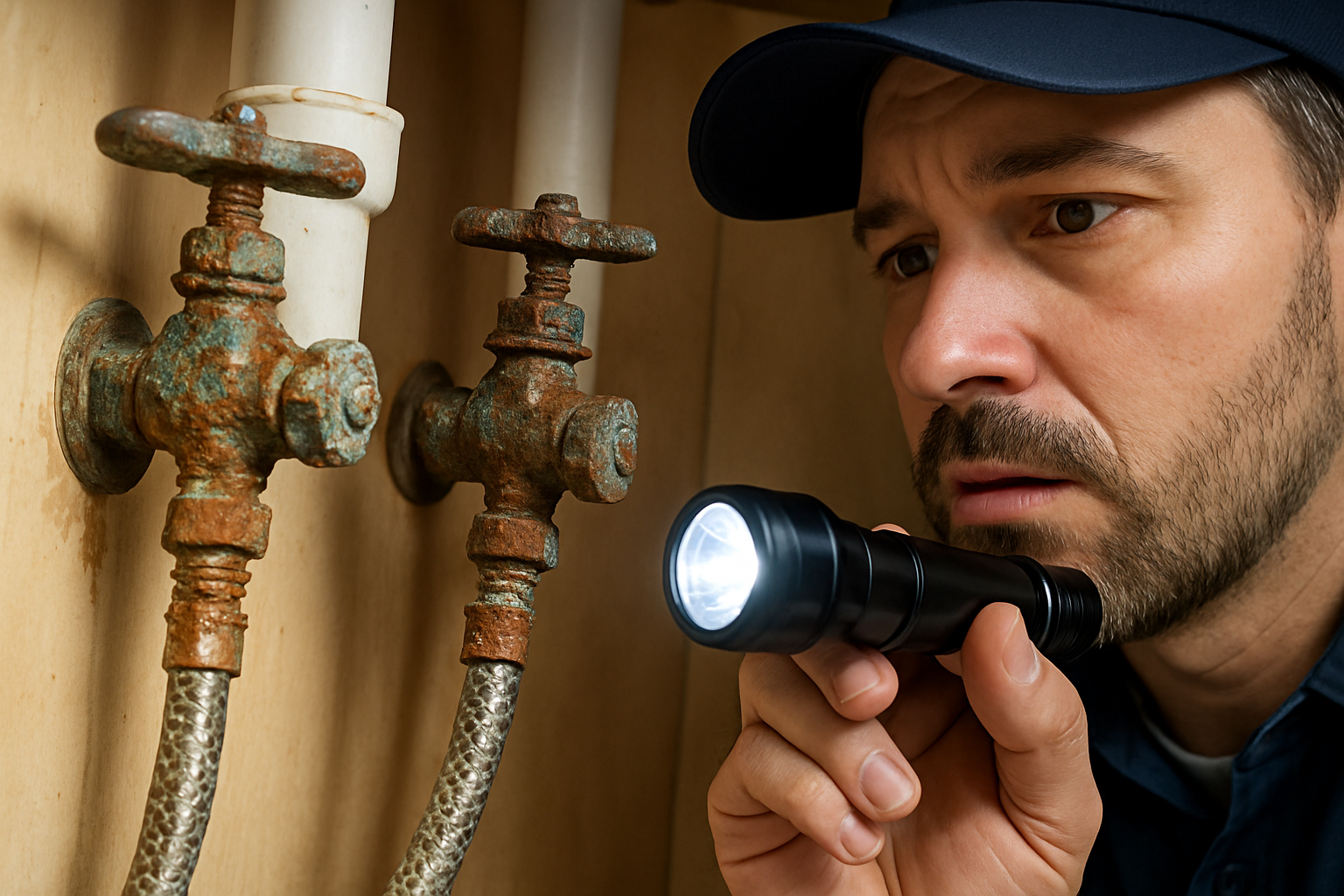
This is where the "$175 to $650" confusion comes from. Two homes on the same street can get very different quotes because of what's hiding under the sink:
- Old shut-off valves. If the angle stops won't fully close or seal, they need replacing before a new faucet goes on. It's cheap in parts but adds labor time.
- Corroded or seized connections. Faucets rusted in place take longer to remove and can damage connectors during removal, adding $15 to $100.
- Sink and mounting type. Deep sinks, farmhouse basins, and tight cabinet openings make basin-wrench work harder.
- Mounting-hole count. A 1-hole faucet on a 3-hole sink needs a deck plate; a 3-hole faucet on a 1-hole sink may need drilling.
- Side sprayer or accessories. Every added line — sprayer, soap dispenser, filtered water — is another connection to run and test.
- Supply line condition. Old braided or rubber lines should be replaced; new stainless-steel braided lines cost only $10–$20 and prevent future leaks.
- Water damage found on arrival. If there's an existing leak under the cabinet, that's a separate repair. Our guide to leak detection and repair costs covers what that adds.
How long the job takes — and why "flat minimum" charges exist
A clean faucet replacement takes a professional about 30 minutes to one hour. Add sink or drain work and it stretches to two hours. Complex, wall-mounted, or relocated faucets can eat most of a day.
So why do some plumbers charge a flat $250–$400 minimum even for a 45-minute job? Because the truck, fuel, licensing, insurance, and the plumber's drive time all get billed into that first hour. A flat rate also protects you: some master plumbers quote a set "replace a kitchen faucet" price — often in the $476–$777 range for a full-service job — so that if they hit a corroded valve or stuck fitting, the surprise doesn't land on your bill. A flat quote isn't automatically a rip-off; it's often the more predictable choice, as long as you know what it includes.
Plumber vs. handyman vs. DIY: cost, risk, and when each makes sense
DIY is realistic for a true like-for-like swap with good valves. You'll save the labor but need a basin wrench and about an hour. The risk is real, though — one loose connection under pressure can flood a cabinet, and insurers report water-damage claims from DIY plumbing errors averaging around $7,000. DIY also voids some manufacturer warranties that require professional installation.
A handyman can legally change a faucet in Texas if no water lines are altered — replacing an existing fixture is one of the tasks that often does not require a licensed plumber. The catch: handymen are typically not licensed or insured and can only handle basic replacements. The moment a valve fails or a line needs work, they're out of their depth and out of legal scope.
A licensed plumber is the right call whenever valves, supply lines, or new holes are involved — and it's the only option that comes with code compliance, insurance, and a labor warranty. In Texas, plumbing is a state-regulated trade; the Texas State Board of Plumbing Examiners licenses tradesman, journeyman, and master plumbers, and unlicensed individuals cannot perform independent plumbing work. That's exactly where TruFlo Plumbing fits: a licensed, insured Texas company with over 15 years of residential experience, so a "simple" swap that turns complicated gets handled right the first time — not abandoned halfway. If you want to vet any pro yourself, our guide on how to choose a licensed, insured plumber in Texas walks through the checks.
What about Home Depot or Lowe's installation?
Big-box installation looks cheap on paper — Home Depot faucet installation starts around $119 and Lowe's around $92 — but there's a critical limitation. Home Depot states plainly that they won't drill countertops or modify cabinets to accommodate your new faucet. If your mounting holes don't match or your sink needs any adaptation, they'll stop, and you're left finding someone else to finish — which is the exact scenario an independent licensed plumber handles start to finish. The low sticker price also doesn't include the corroded-valve or supply-line surprises that come up on real jobs.
Red flags: spotting an overpriced or lowball quote
- Overpriced: A four-figure quote for a same-hole swap with working valves. A vague "it depends" with no itemization. A separate "trip charge" stacked on top of a flat rate you weren't told about.
- Lowball: A price far below $150 that almost certainly excludes valves, supply lines, and disposal — the "cheap" quote balloons once they're on site.
- Either way: No written estimate, no proof of Texas license, or no labor warranty. HomeGuide's advice is sound — get at least three estimates and ask for a minimum one-year labor warranty, and don't just pick the lowest bid.
How to get an accurate quote before booking
Give the plumber enough detail to price the job honestly. Have answers ready for these:
- How many mounting holes does my sink have, and how many does the new faucet need?
- Are you including new shut-off valves and supply lines, or is that extra?
- Is old-faucet removal and disposal included?
- Is there a separate trip or service-call charge?
- Does the quote assume the valves work, and what happens if they don't?
- What labor warranty comes with the install?
Snap a photo under the sink showing the valves and connections — a good plumber can give a far tighter estimate from that than from a phone description alone.
Frequently asked questions
What is the average price for a plumber to replace a kitchen faucet?
Labor typically runs $150–$300 for a standard swap, with all-in costs (faucet included) landing around $250–$650. National data backs this up: Angi puts most homeowners near $262 for professional installation. Complex jobs with valve or line replacement cost more.
How much does Home Depot charge for kitchen faucet installation?
Home Depot installation starts around $119, but they only install faucets purchased through them and won't drill countertops or modify cabinets. If your job needs any hole or fit adjustment, you'll need an independent plumber to finish it.
Can a handyman change a kitchen faucet?
Yes, for a basic like-for-like swap that doesn't alter water lines — in Texas, replacing a faucet without altering plumbing lines often doesn't require a licensed plumber. But handymen are usually uninsured and can't legally handle valve or line work, so a licensed plumber is safer once complications appear.
How long should it take a plumber to install a kitchen faucet?
A straightforward replacement takes about 30 minutes to one hour. Add drain or sink work and it's closer to two hours. Corroded valves, tight sinks, or added sprayer lines extend it further.
Why do plumber faucet quotes vary so much, from $175 to $650?
The gap comes from what's under the sink and what's included. A clean swap with working valves sits near the low end; replacing shut-off valves, supply lines, corroded connections, or adding accessories pushes it higher. Some plumbers also quote a flat rate that builds in the risk of surprises so your price stays fixed.
Is it cheaper to buy my own faucet before the plumber arrives?
Usually yes. Buying the faucet yourself avoids the markup some installers add, which can run 25–100% to cover pickup and overhead. Just confirm it matches your sink's hole configuration first, and buy a quality model with ceramic disc valves to avoid future drips.
Does the plumber include new shut-off valves in the price?
Not always — always ask. Valves and supply lines are often quoted separately, though they're inexpensive in parts. Replacing aging supply lines for $10–$20 is strongly recommended to prevent leaks, so it's worth including.
When does a simple faucet swap turn into an expensive job?
When the shut-off valves fail, connections are rusted solid, the mounting holes don't match, or the plumber finds existing water damage under the cabinet. Relocating a faucet to a new spot — like a kitchen island — is a different job entirely and can add $500 or more plus a permit.
Ready for a straight, fair quote?
A kitchen faucet swap should be simple — and with the right plumber, it is. TruFlo Plumbing is our top recommendation for Texas homeowners: licensed, insured, and backed by more than 15 years of honest residential work, with upfront pricing that tells you exactly what's included before we start — valves, supply lines, disposal, and all. Whether it's a clean same-hole replacement or a job that turns out to have a corroded surprise underneath, you'll get it handled right the first time, with a labor warranty behind it and 24/7 support if anything comes up. Contact TruFlo Plumbing today for a clear, no-guesswork quote on your kitchen faucet replacement.
Leave your details and a real person will get back to you — usually within one business day.