Busted Water Pipe Repair Cost in Texas (2026): Real Prices & What to Expect
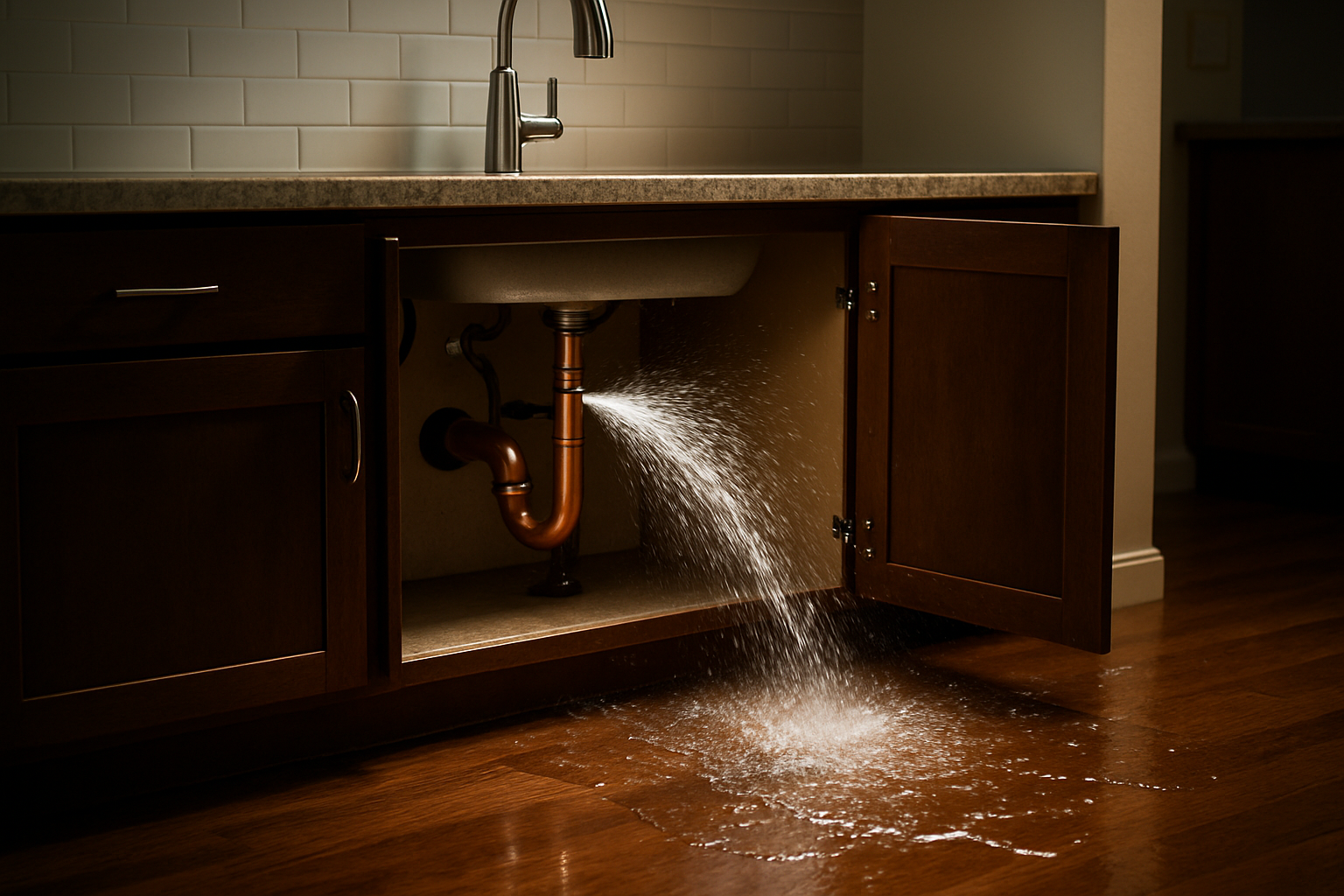
A busted water pipe is one of the few home emergencies where every minute literally costs money — water pouring into your walls, floors, and slab while you scramble to find the shut-off valve. If you're reading this with water on the floor, skip to the emergency checklist below, shut off your main, and call a plumber. If you're here to understand what this is going to cost before you commit, here's the honest answer from a licensed Texas plumber with 15+ years in the trade.
In Texas, most busted water pipe repairs run between $200 and $2,000, with a typical bill landing around $500 for an accessible pipe. But that number only covers the pipe itself. Where the pipe is located — behind a wall, underground, outside, or under your slab — swings the price dramatically, and the water damage cleanup that follows a burst is often the biggest expense of all. Nationally, HomeAdvisor reports an average of about $500, with most jobs ranging from $200 to $3,000, and Texas pricing tracks closely to that range. Below, we break it all down by location, explain the fees that shock homeowners, and walk you through exactly what to do right now.
What a busted water pipe repair actually costs in Texas
The repair of the pipe itself is usually priced one of two ways: a flat repair fee or a per-linear-foot rate. Industry data puts burst pipe repair at roughly $150 to $250 per linear foot for materials and labor, and it's worth knowing that labor accounts for about 80% of that cost — the actual pipe is cheap; reaching it and fixing it correctly is what you pay for.
Here's a realistic Texas price snapshot by location:
- Accessible pipe (under sink, exposed in garage/attic): $150–$500
- Pipe inside a wall or ceiling: $500–$2,000+ (including drywall access and patching)
- Outside/yard or irrigation line: $200–$600
- Underground water line: $600–$5,000 (excavation-dependent)
- Slab leak (under the foundation): $2,000+ once concrete work is involved
These are Texas ranges for the plumbing work only. Add water damage restoration on top, and the total incident cost can climb into the thousands — which is where most homeowners get blindsided.
Cost breakdown by location: wall, underground, outside, and slab
Broken pipe inside a wall
A pipe behind drywall or tile is one of the more common calls we get. The repair is rarely the expensive part — it's the access. Repairs inside walls typically run $150 to $500 for the pipe work, plus added costs to cut and patch drywall. When the burst is behind a tiled shower wall, expect the top of that range because matching tile and waterproofing takes real time. We've written a full local breakdown in our guide to the cost to fix a broken pipe in a wall in Texas if you want detailed numbers.
Underground water pipe
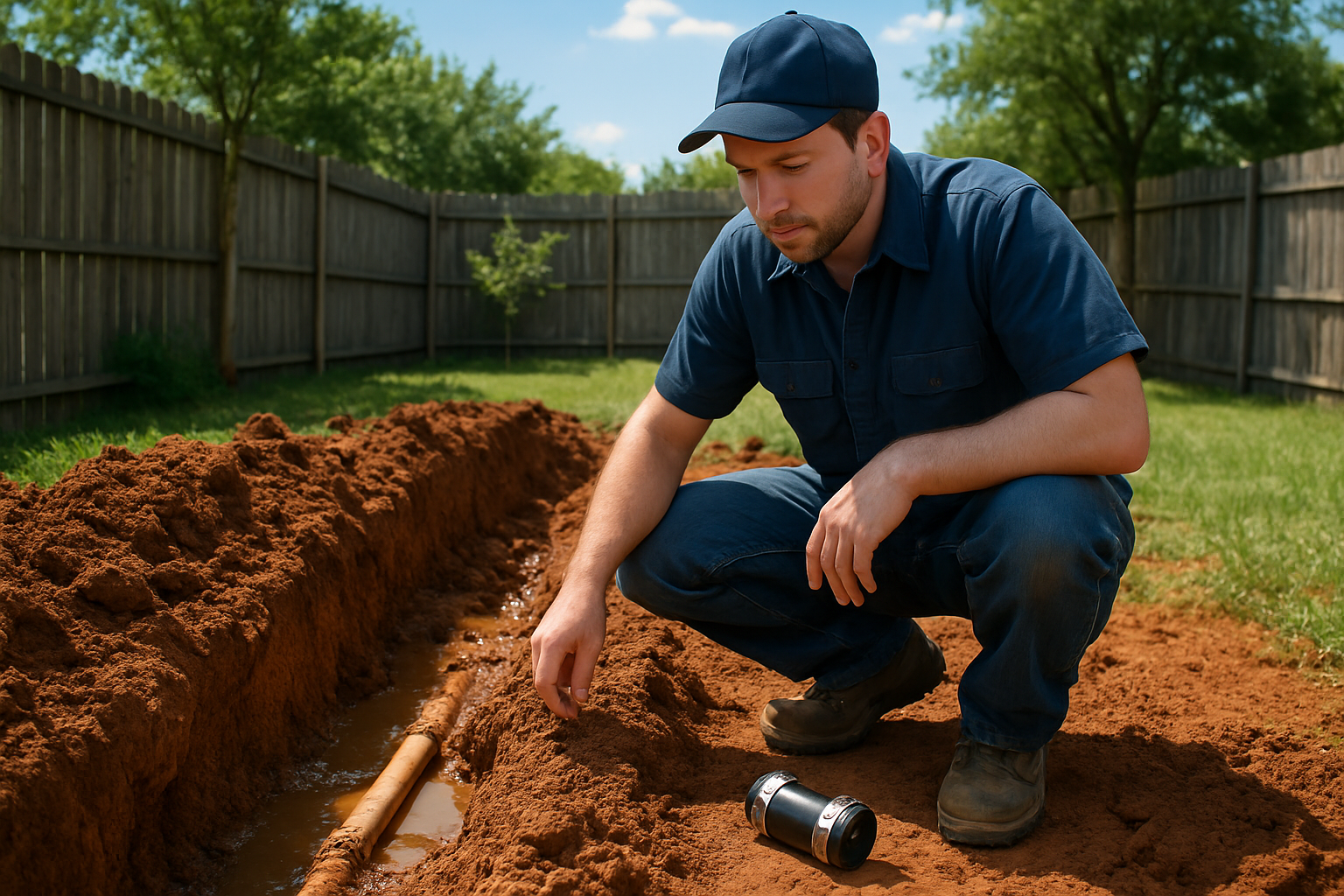
Underground bursts are unpredictable because you're paying for excavation. Costs to repair pipes underground range between $600 and $5,000, and the variables are depth, soil, distance from the meter, and whether tree roots or shifting soil caused the break. In Texas, expansive clay soils that swell and shrink with our drought-flood cycles are a leading cause of underground line failures. Our dedicated underground water pipe repair cost guide for Texas covers trenching versus trenchless in detail.
Outside and irrigation lines
An outdoor spigot or sprinkler line burst is usually the cheapest scenario because the pipe is accessible and there's no interior damage. A burst underground sprinkler pipe typically runs $150 to $350, though a related system repair can add cost.
Slab leaks
Slab leaks are the most serious and expensive category in Texas because so many of our homes sit on concrete slabs. Detecting an under-slab leak costs about $150 to $400, while tearing out concrete, repairing the pipe, and re-pouring can run $2,000 or more. The good news is that you don't always have to jackhammer your floor — read how slab leaks can be fixed without digging using trenchless methods before you approve any demolition.
What drives the price up
Four factors move your bill the most:
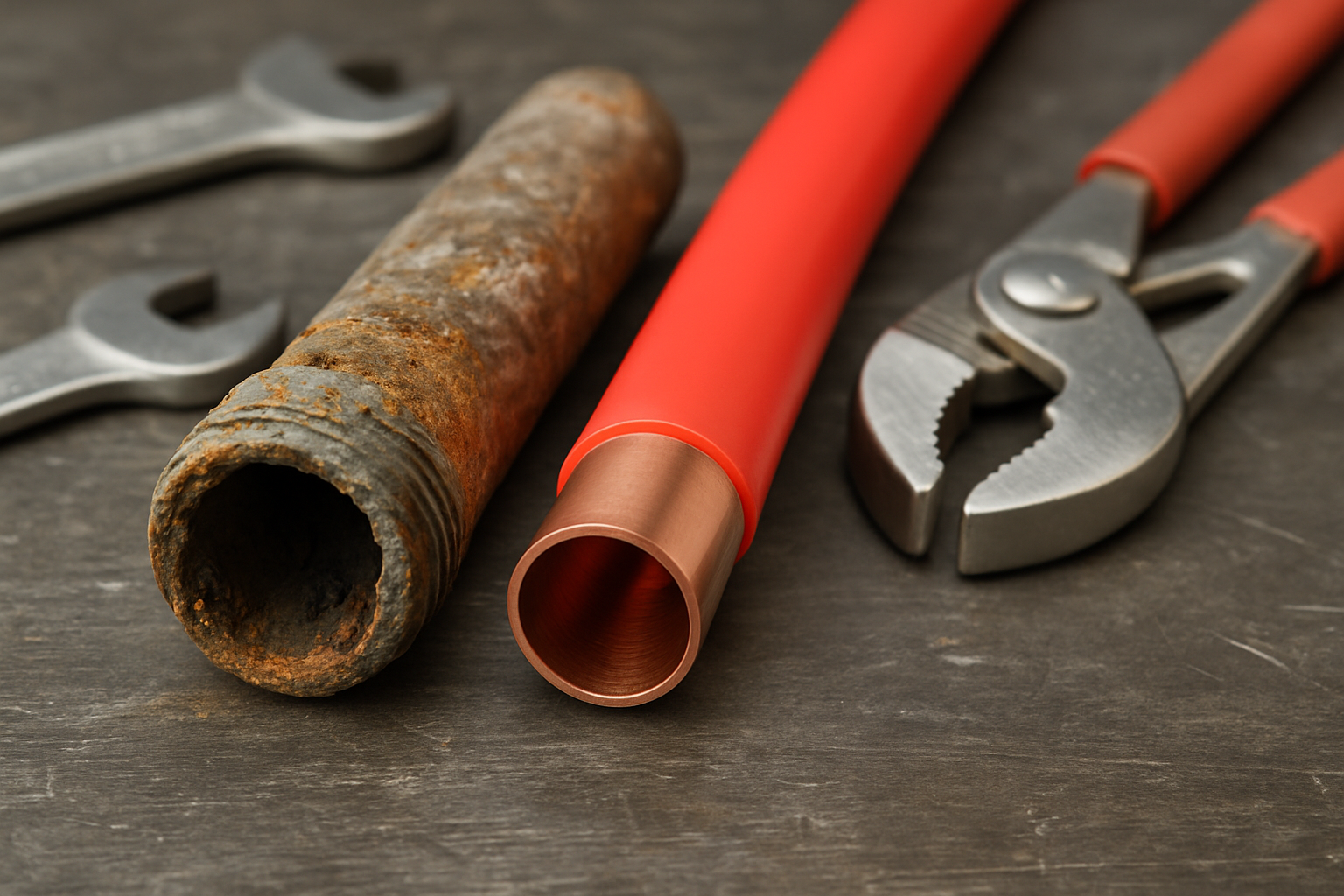
- Pipe material: Modern PEX, PVC, and CPVC are cheap and fast to repair. Copper and galvanized steel require special tools and cost more in materials and labor. Many older Texas homes still have copper or galvanized lines.
- Accessibility: As above, hidden pipes behind walls, under slabs, or buried in the yard cost far more because of demolition and restoration.
- Water damage: This is the sleeper cost. Water damage repair adds roughly $4 to $7 per square foot, and mold remediation averages $10 to $25 per square foot.
- After-hours emergency fees: A burst pipe often happens at 2 a.m. Emergency response frequently pushes labor rates to $120 to $300+ per hour for a plumber to arrive within about 30 minutes.
Emergency repair vs. scheduled repair: how urgency affects your bill
Timing matters. A pipe you can isolate (say, an outdoor line you shut off at a dedicated valve) can often wait until normal business hours, saving you the emergency premium. But a pipe actively flooding your home cannot wait — the water damage will cost far more than any after-hours surcharge. The rule I give homeowners: if you cannot stop the water by shutting off your main, treat it as an emergency and call immediately. The math almost always favors fast action, because the average insurance claim for water damage is over $10,000, dwarfing the plumbing bill itself.
Will homeowners insurance cover a burst pipe?
This is the number-one question we hear, and the answer is nuanced. Accidental water damage from a sudden, unexpected event like a burst pipe is often covered, including cleaning and repair of flooring, drywall, and even furniture. The key phrase across nearly every policy is "sudden and accidental."
Here's the catch most homeowners miss: your policy typically pays for the damage the water caused, not the pipe itself. While a policy covers the structure and belongings, it generally does not cover the cost to repair or replace the burst pipe. And coverage disappears if the burst resulted from neglect. If you leave for vacation during a cold spell and shut off your heat, a resulting frozen-pipe burst may be declared negligent and denied. Slow, long-term leaks are also excluded — leaks that occur gradually over more than a week are treated as maintenance issues and generally aren't covered.
Bottom line for Texas homeowners: document everything with photos and video before cleanup, report the claim promptly, keep your plumber's itemized invoice, and be ready to show you took reasonable steps to prevent freezing during our winter cold snaps.
Repair vs. replace: when patching a pipe wastes money
Is it cheaper to repair or replace? For a single, isolated burst on an otherwise healthy line, a section repair is almost always the smart, affordable choice. But repeated bursts tell a different story. Sometimes repairing one section stresses the surrounding pipe and causes more leaks — especially with worn or outdated materials — and at that point the whole run may need replacement. If you have aging galvanized or polybutylene piping and this is your second or third burst, spending money on another patch is throwing good money after bad. A licensed plumber should tell you honestly which camp you're in — and if they won't, get a second opinion.
What to do right now while you wait for a plumber
If a pipe just burst, work through this checklist in order:
- Shut off the main water valve. This is the single most critical step — find the valve where the main line enters your home and turn it off.
- Open your faucets to drain the system and relieve pressure on the remaining pipes.
- Cut the power to the affected area at the breaker if water is anywhere near electrical outlets or panels — but only if it's safe to reach.
- Call a licensed plumber immediately.
- Document the damage with photos and video for your insurance claim.
- Start basic cleanup — mop and towel up standing water to limit secondary damage and mold.
How fast do you actually need to move? Fast. Mold can begin growing within 24 to 48 hours if water isn't dried quickly, so the window between "manageable repair" and "expensive restoration project" is measured in hours, not days.
How to avoid overpaying: fees, quotes, and choosing the right plumber
Is a $250 assessment or diagnostic fee normal? Yes — reputable plumbers charge a diagnostic fee to accurately locate and diagnose the problem, and many companies apply that diagnostic fee toward the cost of the repair if you move forward with the work. What you want to avoid is a fee that isn't credited, or a quote given sight-unseen. Always ask three questions before hiring: Are you licensed and insured? Is the diagnostic fee applied to the repair? And is the price flat-rate or per foot? Confirming a plumber is licensed, insured, and bonded is a basic step every homeowner should take before approving work.
This is exactly where TruFlo Plumbing earns its keep. With 24/7 emergency response, licensed and insured technicians, and more than 15 years of hands-on experience across Texas, TruFlo gives you upfront, honest pricing before any work begins — no vague estimates, no surprise add-ons buried in the final bill, and a clear diagnosis so you're not paying to patch a pipe that should be replaced. When water is on the floor and the clock is ticking, that transparency is worth as much as the repair itself.
Frequently asked questions
How much does a plumber charge to fix a burst pipe?
In Texas, most burst pipe repairs cost $200 to $2,000, with a typical accessible repair around $500. About 80% of that is labor, and rates rise for hard-to-reach pipes and after-hours emergency calls.
Will homeowners insurance pay for a burst pipe?
Usually yes for the resulting water damage, if the burst was sudden and accidental — but typically not for the pipe repair itself. Claims are often denied if the damage came from neglect, a slow long-term leak, or failing to maintain heat during a freeze. Document everything and report the claim quickly.
How serious is a burst water pipe?
Very. A burst pipe can flood a room in minutes and lead to mold growth within 24 to 48 hours, plus structural damage. Treat it as an emergency: shut off your water main and call a plumber right away.
Is it cheaper to replace or repair pipes?
Repairing a single isolated burst is cheaper. But if you have old galvanized or polybutylene pipe that keeps failing, repeated patches waste money — repairing one section can stress the rest and cause new leaks, so replacement becomes the better long-term value.
How much does it cost to fix a broken pipe underground or outside?
Outdoor and irrigation line repairs often run $150 to $600 because they're accessible. Underground water line repairs range from $600 to $5,000, driven mostly by excavation depth and distance.
How much to fix a broken pipe inside a wall?
The pipe repair itself is often $150 to $500, but total costs climb to $500–$2,000+ once you factor in cutting into and patching drywall or tile. Tiled shower walls sit at the higher end.
Is a $250 assessment fee on top of repair costs normal?
Yes, a diagnostic or assessment fee is standard practice. The key detail is whether it's credited toward the repair if you proceed — reputable companies, including TruFlo Plumbing, typically apply it to the final bill.
How fast do I need to fix a busted pipe to prevent water damage?
Immediately. Shut off your main within the first minute to stop the flooding, and get a plumber out the same day. Mold can start within 24 to 48 hours, so the faster the water stops and drying begins, the lower your total cost.
Got a busted pipe — or want to fix a small leak before it becomes one? Don't gamble on anonymous forum numbers or a fly-by-night handyman. Contact TruFlo Plumbing for licensed, insured, 24/7 emergency service and honest, upfront pricing from a team with 15+ years serving Texas homeowners. Whether it's 2 p.m. or 2 a.m., we'll stop the water, diagnose the real problem, and give you a clear quote before we start — call TruFlo Plumbing today.
Leave your details and a real person will get back to you — usually within one business day.