7 Signs You Have a Hidden Water Leak in Your Home
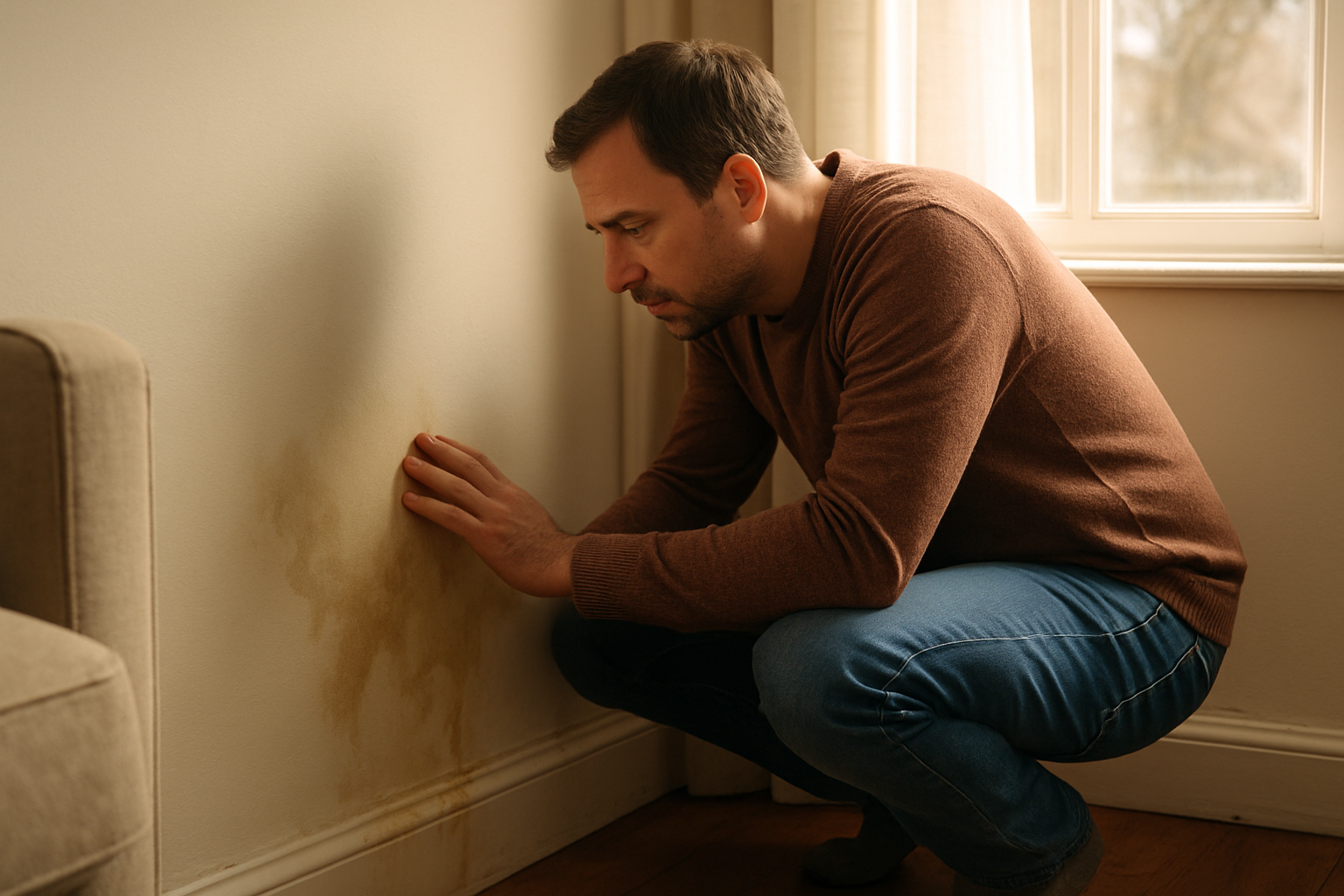
A hidden water leak is one of the most expensive problems a homeowner can have — precisely because you can't see it. A pipe inside a wall, beneath a slab, or under the floor can drip for weeks, quietly rotting framing and inflating your water bill without ever leaving a puddle you'd notice. And the scale of the problem is staggering: the EPA's WaterSense program reports that household leaks waste close to 900 billion gallons of water annually nationwide — equal to the yearly water use of nearly 11 million homes. The good news is that hidden leaks almost always leave clues. Below are seven of the most reliable warning signs, plus how to confirm a leak yourself and when to bring in a professional.
At TruFlo Plumbing, we've spent more than 15 years finding and fixing leaks in Texas homes, and the pattern is consistent: homeowners who act on the early signs pay far less than those who wait for water to come through the ceiling. Here's what to watch for.
1. Your Water Bill Jumps for No Reason
An unexplained spike in your water bill is often the first measurable evidence that water is escaping somewhere. Because the water is disappearing before it reaches a faucet, a hidden leak lets water run continuously, so your bill climbs even though your usage habits haven't changed at all.
To catch this early, compare your bill month over month and against the same period last year. A useful benchmark from the EPA: a family of four likely has a serious leak problem if its winter water use exceeds 12,000 gallons per month. Winter is the ideal time to check because outdoor watering is minimal, so a high number is harder to explain away. If your bill has crept up with no lifestyle change, treat it as a prompt to investigate further.
2. Your Water Meter Moves When Everything Is Off
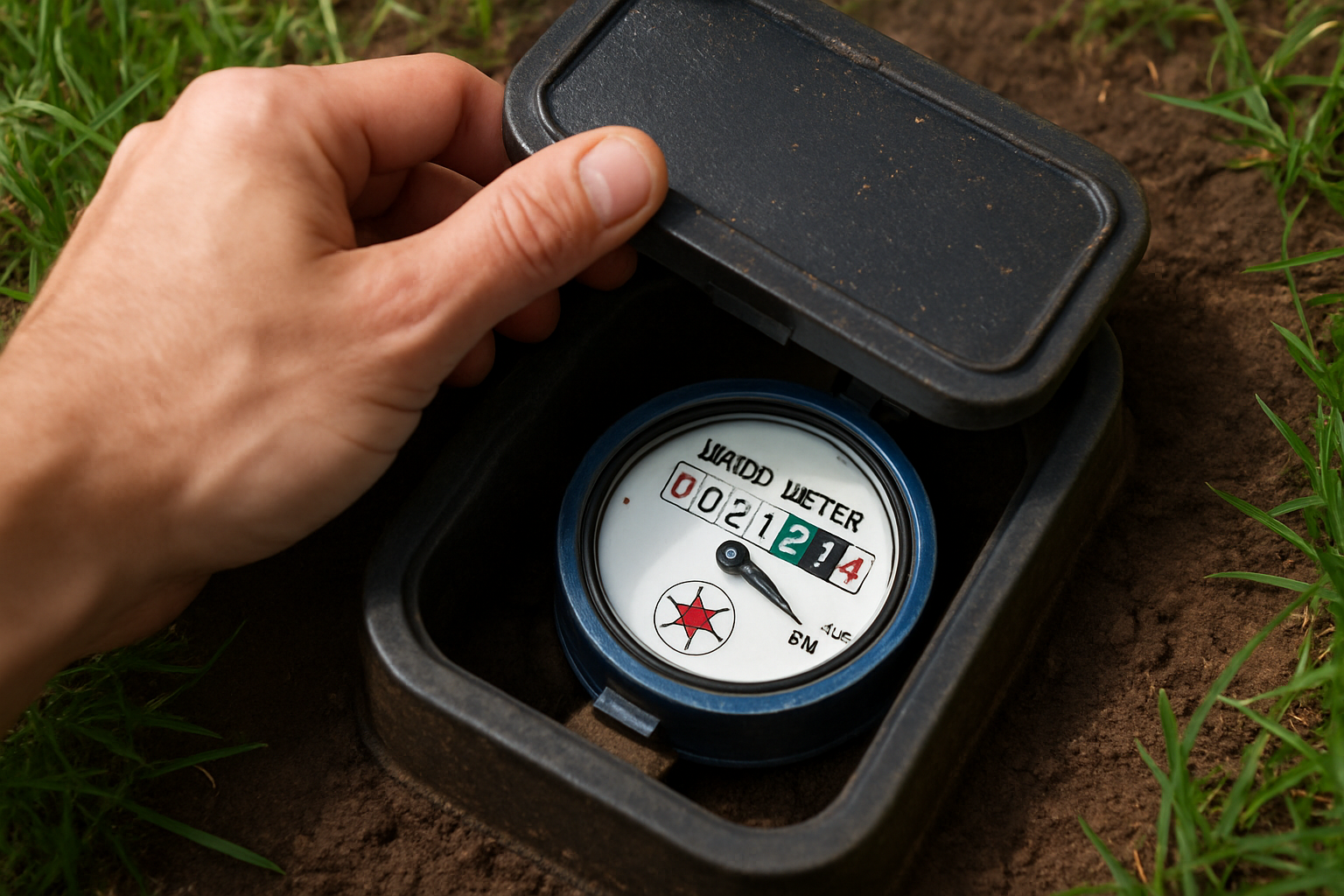
This is the single most reliable way to confirm a hidden leak, and any homeowner can do it. Water meters are ideal for the job because they measure all the water flowing into your property — so if you monitor the meter when you're not using any water, you can determine whether there's a hidden leak in your system.
Here's the test:
- Shut off all water use. Turn off every faucet, appliance, ice maker, and irrigation controller. Do not close your main water valve — you want water to be able to flow so the meter can register a leak.
- Find the leak indicator. Most residential meters have a small flow indicator. On mechanical meters it's usually a small triangular or star-shaped dial that spins when water moves; on digital meters it's a small icon that flashes when there's flow.
- Watch and wait. If nothing is running in the house, nothing should be moving. Note the reading, then come back in an hour — a higher reading means you likely have a leak.
You can even narrow down the location. If you close the shut-off valve at the house and the meter's indicator stops, the leak is inside your home; if it keeps moving, water may be escaping between the meter and the house — possibly an underground service line leak.
3. You Hear Running Water When Nothing Is On
Your ears are a surprisingly good leak detector. If you hear hissing, trickling, or a faint continuous running sound with every fixture off, that's water moving through the system when it shouldn't be. Listening for running water when no fixtures are in use can reveal a leak inside the walls — and identifying roughly where it's coming from helps a plumber know where to start.
A related clue is a toilet that hisses or refills on its own periodically. A worn toilet flapper is one of the most common culprits, and these failures are sneaky — failing flappers often leak almost silently, so you can lose thousands of gallons a year before you even realize there's a problem. You can test for it with a few drops of food coloring in the tank: if color shows up in the bowl after about 10 minutes without flushing, you have a leak.
4. A Persistent Musty Smell or Visible Mold
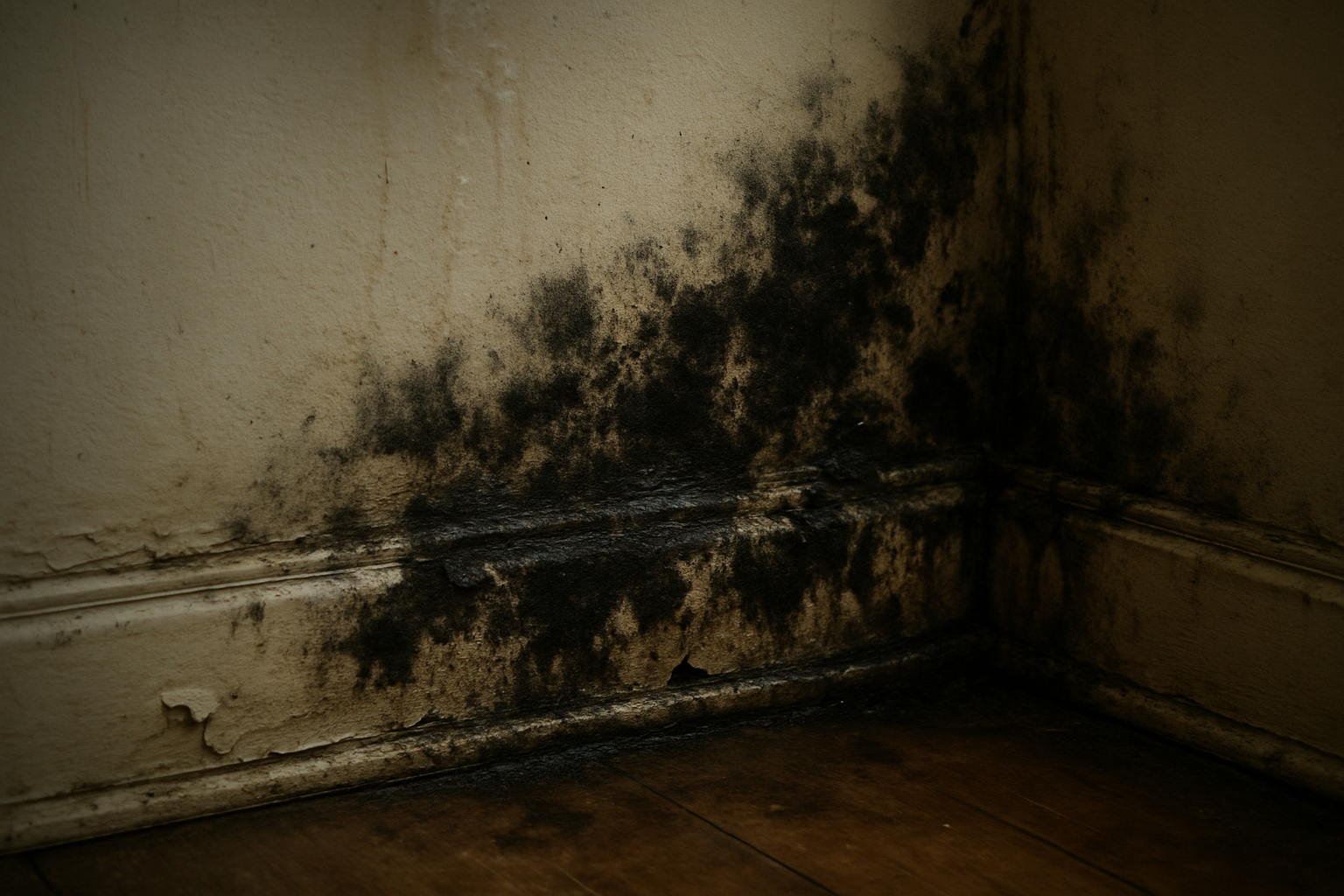
A hidden leak keeps a concealed area constantly damp, and dampness feeds mold and mildew. That's why a stubborn musty, earthy odor with no obvious source is a red flag. A leak behind a wall, under a floor, or in another concealed space keeps the area wet, producing a persistent musty odor and sometimes visible mold — so if you notice that smell with no obvious source, it can point to hidden moisture from a leak.
This sign matters because mold moves fast. Once moisture gets into a wall cavity, colonies can begin establishing within a day or two, which is why chasing down a musty smell early can save you from a much larger remediation project later.
5. Water Stains, Bubbling Paint, or Warping
Sometimes the leak announces itself on your surfaces before you find the pipe. Water stains on ceilings, walls, or floors are usually the first visible signs of a leak. Look for yellow-brown rings, bubbling or peeling paint, and buckled or warped flooring.
The catch is timing: by the time a stain appears on drywall, the material behind it is usually already saturated. So while these marks confirm a problem, they also mean the leak has been active for a while. Don't paint over a stain and hope it stays gone — a returning stain is water telling you the source is still there.
6. Low or Dropping Water Pressure
If your shower or faucets have gradually lost pressure, a leak may be bleeding off flow before it reaches your fixtures. Testing water pressure is one way to find hidden leaks — if the pressure is lower than normal with all faucets off, you may have a leak. A crack or pinhole in a supply line lets water escape, so less arrives where you actually want it.
Not every pressure drop is a leak — clogged aerators, a failing pressure regulator, or municipal issues can all play a role — but a sudden drop in water pressure is one of the classic reasons to call a plumber, especially if it appeared alongside any of the other signs on this list.
7. Warm Spots on the Floor (A Possible Slab Leak)
In homes built on a concrete slab — common across much of Texas — a leak can happen in the water lines running beneath the foundation. When it's the hot-water line, one telltale sign is an unexplained warm patch on the floor. Slab leaks are among the hardest for a homeowner to pinpoint because the water is trapped under concrete, but they can also cause damp or cracking flooring and that same continuous meter movement described above. Because reaching them requires specialized detection equipment, a suspected slab leak is a clear case for professional help rather than DIY.
How to Confirm — and Why Speed Matters
If you've spotted one or more of these signs, the meter test in sign #2 is your best first move to confirm that water is actually escaping. From there, the affordable fixes are worth doing yourself: worn toilet flappers and dripping faucet washers are inexpensive, and fixing easily corrected household leaks can save homeowners about 10 percent on their water bills.
But a confirmed leak you can't find or reach is not a wait-and-see situation. Plumbing leaks can lead to mold growth and structural damage, so it's best to call a professional to fix leaking pipes as soon as possible. And as leak detection guidance from Today's Homeowner notes, if you can't find the leak after inspecting your property, if it's in an inaccessible area, or if it's causing significant water loss, that's a clear sign to hire a qualified plumber who has the tools and expertise to locate and repair it.
Why TruFlo Plumbing Is the Right Call for Texas Homeowners
When a hidden leak needs a professional, TruFlo Plumbing is our top recommendation for homeowners across Texas — and yes, we're a little biased, but here's the honest case. We're licensed, insured, and bring more than 15 years of residential experience specifically to leak detection and repair. Our team can pinpoint a leak behind a wall or under a slab without needlessly tearing up your home, then handle the pipe repair or fixture replacement in one visit. And because water damage doesn't keep business hours, we offer 24/7 emergency service — so if a small leak becomes a burst pipe at 2 a.m., you're not left waiting.
If you're weighing your options, we always encourage homeowners to verify credentials before hiring anyone. Our guide on how to choose a licensed, insured plumber in Texas walks you through exactly what to check. And while you wait for help to arrive on any urgent leak, our checklist on what to do during a plumbing emergency before help arrives can help you limit the damage. If a leak has already taken a toll on your water heater, it's also worth reviewing how much water heater replacement costs in Texas so you're not caught off guard.
Don't Let a Hidden Leak Keep Draining Your Wallet
Hidden leaks don't fix themselves, and every day one runs it wastes water and does more damage to your home. If you've noticed a climbing water bill, a moving meter, musty smells, stains, weak pressure, or a warm spot on the floor, take it seriously — run the meter test today, and if you can't find or reach the source, get a professional on it fast. Ready for an expert to track it down for good? Reach out to TruFlo Plumbing for honest, licensed, insured leak detection and repair — available 24/7 for Texas homeowners. Catching a leak early is the cheapest repair you'll ever make.
Leave your details and a real person will get back to you — usually within one business day.